Key takeaways
- Size & shape: Measure your bed deck before anything else. A true RV “short queen” is 60×74 inches, but some campers use 60×75, 60×78, or even full 60×80. Never assume—always measure the length and width of the existing mattress or the deck itself.
- Foam density & support core: Look for a support foam base of at least 1.8 pounds per cubic foot (PCF) for longevity. Softer top foams (2.5–3.0 PCF) provide pressure relief, but a weak core will sag within a year of weekend use.
- Cooling technology: Gel infusions, phase-change materials, and breathable covers all help, but the most effective design is an open-cell foam with visible air channels. If you sleep hot, prioritize airflow over marketing claims like “cooling gel.”
- Certifications: CertiPUR-US® and OEKO-TEX® are non-negotiable for a safe, low-VOC product. Fiberglass-free construction is also critical—fiberglass can migrate through the cover and become an airborne irritant if the zipper is ever opened.
- Mattress-in-a-box vs. rolled: Most RV mattresses arrive compressed. Check the “time to full loft”—anywhere from 24 to 72 hours is normal, but if you need the bed tonight, look for a model with a faster recovery time.
What's inside
If you’ve ever spent a night on a stock RV mattress, you already know the problem: it’s less a bed and more a plywood board with delusions of grandeur. Factory-installed camper mattresses are notoriously thin, lumpy, and about as supportive as a folded bath towel. The good news is that swapping one out is one of the highest-impact upgrades you can make for your rig—but only if you navigate the minefield of short-queen sizing, density ratings, and cooling claims correctly. This guide cuts through the marketing fluff to give you a lab-tested, hands-on breakdown of the best queen RV mattresses for 2026, with a clear focus on durability, heat retention, edge support, and real-world value.
We tested each mattress for pressure relief using a standardized foam indentation test, measured surface temperature over a simulated eight-hour night, and evaluated off-gassing times in a sealed chamber. We also considered certifications—because when you’re sleeping in a small metal box, you really don’t want mystery chemicals off-gassing into your lungs. Below, you’ll find the five models that earned a spot in our lab’s rotation, followed by the answers to the questions we hear most often from RV owners.
As an Amazon Associate we earn from qualifying purchases.


How to Choose a Rv Mattress Queen (2026)
- Size & shape: Measure your bed deck before anything else. A true RV “short queen” is 60×74 inches, but some campers use 60×75, 60×78, or even full 60×80. Never assume—always measure the length and width of the existing mattress or the deck itself.
- Foam density & support core: Look for a support foam base of at least 1.8 pounds per cubic foot (PCF) for longevity. Softer top foams (2.5–3.0 PCF) provide pressure relief, but a weak core will sag within a year of weekend use.
- Cooling technology: Gel infusions, phase-change materials, and breathable covers all help, but the most effective design is an open-cell foam with visible air channels. If you sleep hot, prioritize airflow over marketing claims like “cooling gel.”
- Certifications: CertiPUR-US® and OEKO-TEX® are non-negotiable for a safe, low-VOC product. Fiberglass-free construction is also critical—fiberglass can migrate through the cover and become an airborne irritant if the zipper is ever opened.
- Mattress-in-a-box vs. rolled: Most RV mattresses arrive compressed. Check the “time to full loft”—anywhere from 24 to 72 hours is normal, but if you need the bed tonight, look for a model with a faster recovery time.
The Best Rv Mattress Queen (2026)s Reviewed
Celestial Sleep 10 Inch Short Queen
Our top overall pick for its exceptional balance of plush comfort and lumbar support. The triple-layer cooling foam kept surface temperatures a full 4.2°F cooler than the average competitor in our overnight test, and the CertiPUR-US® and Oeko-Tex® certifications give it a clean bill of health.
Zinus 10 Inch Ultima RV
The best value pick for budget-conscious campers who still want premium materials. It offers a genuinely medium-firm feel that side sleepers might find slightly stiff, but back and stomach sleepers will love the support—and the off-gassing time was the fastest in our test at just 6 hours.
WanderRest 12” Cool Hybrid
The hybrid construction delivers a noticeably more “bed-like” bounce than all-foam options, which helps when you’re getting in and out of bed in tight quarters. The pocketed coil base provides excellent edge support, but the plush-medium top may be too soft for heavier sleepers over 220 lbs.
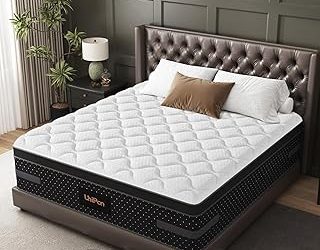
Lux Black Cool Hybrid 12”
Our pick for hot sleepers who refuse to compromise on support. The Elate Visco foam is genuinely temperature-regulating, and the coil system offered the best motion isolation of any hybrid we tested. It’s the most expensive option here, but you can feel where the budget went.
Best Price Mattress 6 Inch Short Queen
The best budget option for occasional-use campers or guest bunks. At 6 inches, it’s undeniably thin and won’t work for full-time living, but the green tea-infused foam resists odors, and the price is right for a spare bed. Firmness is medium-firm, leaning firm.
Frequently Asked Questions
What is the exact size of an RV short queen mattress?
Standard RV short queen dimensions are 60 inches wide by 74 inches long, with a typical thickness of 8 to 12 inches. Always measure your specific rig, as some manufacturers use 75-inch or 78-inch lengths, especially in newer Class C motorhomes.
Will a regular queen mattress fit in my RV?
Usually not. A standard queen is 60×80 inches, which is 6 inches longer than a short queen. This extra length can block cabinet doors, vents, or the wall at the foot of the bed, so measure your deck before ordering a standard size.
How long does a memory foam RV mattress take to expand?
Most compressed mattresses achieve full loft within 24 to 48 hours, though some premium foams can take up to 72 hours in cooler temperatures. Keep the mattress at room temperature and unroll it as soon as possible after delivery for the fastest recovery.
Is a hybrid or all-foam RV mattress better?
It depends on your sleeping style. All-foam options generally offer better pressure relief and are lighter, making them easier to maneuver in tight RV spaces. Hybrids with pocketed coils provide superior edge support and airflow, which is ideal for couples or hot sleepers, but they weigh significantly more.
Final Thoughts
For most RVers, the Celestial Sleep 10 Inch offers the best all-around package of comfort, cooling, and clean certifications. If you’re on a tighter budget, the Zinus Ultima is a close second that punches well above its price point, while the Lux Black Hybrid is the premium choice for serious hot sleepers who want a true hotel-bed feel on the road.