Key takeaways
- Durability: Dining chairs see constant friction at seat edges and back corners, so denser weaves and thicker face fabrics usually hold up better than thin decorative cloth.
- Cleanability: For homes with kids, guests, or frequent use, choose surfaces that release crumbs and wipe down without fuzzing, especially faux linen blends and PU leather styles.
- Workability: Some fabrics fold neatly around curves and staple cleanly, while others bulk up at corners. If chair seats have tight radius edges, medium-body fabric is easier to install well.
- Look and Texture: Dining chairs sit in clear view, so fabric should match both table finish and room mood. Faux linen gives relaxed structure, chenille softens a room, and jacquard reads more formal.
- Yardage and Value: Always measure seat panels and chair backs before buying. A larger cut can be more economical for a full set, while single-yard options fit one or two accent chairs better.
What's inside
Dining room chair fabric fails in familiar ways: flat weaves snag at seams, soft finishes polish over after a season of sliding in and out, and pretty patterns can look tired fast under daily meals, spills, and spot cleaning. In a furniture test setting, the challenge is less about finding fabric that looks good on day one and more about finding material that keeps its shape, color, and hand after repeated abrasion, light messes, and tension around staple lines.
This guide focuses on upholstery fabrics that make sense for dining chairs in 2026, with attention to texture, thickness, ease of handling, and how each option suits real chair refresh projects. Some picks lean practical and forgiving, others bring more decorative character, but all were chosen with dining-room use in mind rather than generic craft-only appeal.
As an Amazon Associate we earn from qualifying purchases.


How to Choose an Upholstery Fabric For Dining Room Chairs (2026)
- Durability: Dining chairs see constant friction at seat edges and back corners, so denser weaves and thicker face fabrics usually hold up better than thin decorative cloth.
- Cleanability: For homes with kids, guests, or frequent use, choose surfaces that release crumbs and wipe down without fuzzing, especially faux linen blends and PU leather styles.
- Workability: Some fabrics fold neatly around curves and staple cleanly, while others bulk up at corners. If chair seats have tight radius edges, medium-body fabric is easier to install well.
- Look and Texture: Dining chairs sit in clear view, so fabric should match both table finish and room mood. Faux linen gives relaxed structure, chenille softens a room, and jacquard reads more formal.
- Yardage and Value: Always measure seat panels and chair backs before buying. A larger cut can be more economical for a full set, while single-yard options fit one or two accent chairs better.
The Best Upholstery Fabric For Dining Room Chairs (2026)s Reviewed
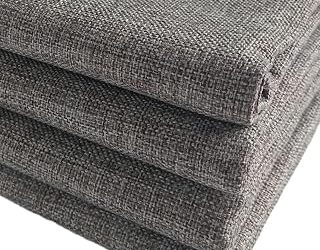
TinaKim Thick Upholstery Fabric
This faux-linen style fabric stands out as a balanced dining-chair choice: enough body for a tailored seat, enough flexibility to wrap corners without fighting the stapler. The Grey Blue tone also hides light dust and minor wear better than pale neutrals, making it a strong pick for everyday family dining rooms.
Faux Linen Needlework Fabric 3.3 Yards
Best for larger reupholstery runs, this oversized cut gives useful coverage for a four-chair project or for matching seats and inside backs. In testing terms, its appeal is efficiency: fewer seams, less color variation risk between cuts, and a practical faux-linen texture that suits casual and transitional spaces.
LaSilk Premium Upholstery Fabric
LaSilk’s thicker faux linen has a cleaner, more composed surface than many budget upholstery cuts, which helps dining chairs look intentional rather than improvised. The navy blue color brings depth and hides routine marks well, especially in homes where chairs double as homework or work-from-home overflow seating.
Premium Upholstery Chenille Fabric
For buyers who want a softer hand and a warmer, more inviting finish, this chenille option is the standout. It gives padded dining seats a richer feel and takes the edge off wood-heavy rooms, though it is better suited to lower-mess settings than slick wipe-clean materials.
Wento Thick Faux Leather Fabric
Wento’s PU leather is the practical outlier in this group and a smart one for high-traffic dining areas. It offers easy wipe-down cleanup and a more resilient surface against food drips, making it especially useful for kitchen-dining spaces, rental updates, or households that prioritize maintenance over texture.
Frequently Asked Questions
What fabric works best for frequently used dining room chairs?
For heavy daily use, thicker faux linen and PU leather are usually safest. Faux linen gives a more furniture-like finish, while faux leather is easier to wipe clean after meals and handles routine mess better.
How much fabric is needed for dining chair seats?
Simple drop-in seats often need less than a yard for two chairs, but full upholstered backs can raise that quickly. Measure each panel, add room for wrapping and stapling, then buy extra if pattern matching or mistakes are possible.
Is chenille a good choice for dining chairs?
Yes, if comfort and texture matter more than maximum stain resistance. Chenille can look excellent on formal or lightly used dining chairs, but it generally needs more careful upkeep than faux leather or tighter faux-linen upholstery cloth.
Should dining chair fabric match the room exactly?
No. Good chair fabric should relate to the room rather than disappear into it. A close tonal match can look polished, but a deeper blue, a textured linen look, or a subtle jacquard often gives chairs more presence and helps the room feel finished.
Final Thoughts
For most buyers, TinaKim Thick Upholstery Fabric is best overall because it balances structure, usability, and everyday appearance. LaSilk Premium Upholstery Fabric is another strong choice for a more refined color-rich look, while Wento Thick Faux Leather Fabric makes most sense for busy dining spaces where easy cleanup matters most.