Key takeaways
- Defrost when frost is roughly 5 mm thick or when it begins reducing storage space; do not wait for a solid block of ice.
- Photograph shelf positions before removal if the compact interior has a complicated layout.
- Use a refrigerator thermometer after restarting to confirm that the cabinet returns to a safe, stable temperature.
- If frost returns within days, check the door seal, door alignment, ventilation clearance and room humidity before buying another spray.
What's inside
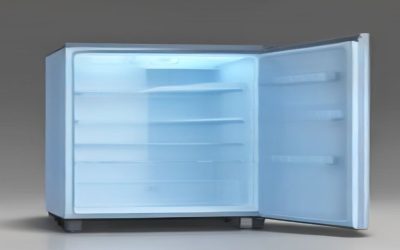
In our home-appliance testing lab, we treat mini-fridge defrosting as a maintenance task, not a race. A thick layer of ice reduces usable storage, blocks airflow and makes the compressor work harder. For compact refrigerators, where every inch of interior space matters, even a modest frost buildup can noticeably affect performance and energy use.
This guide explains the safest and most effective way to defrost a mini fridge, including when a defrosting spray is useful, which tools are worth considering and what to avoid. The process is suitable for most compact refrigerators with a small freezer compartment, but always give your appliance’s manual priority if it specifies a different method.
As an Amazon Associate we earn from qualifying purchases.


Recommended picks
For light frost, a purpose-made product can shorten the waiting time after the refrigerator has been switched off. Options such as 2PCS Freezer Defroster Spray, Fridge Defrosting Spray, 120 ml and Freezer Defroster Spray are designed for ice removal on freezer and refrigerator surfaces. Their value depends on clear labeling, a suitable ingredients list and careful application—not simply on how quickly ice appears to melt.
Smaller formats, including Defrosting Spray for Fridge Freezer, 4oz and 2PCS Defrosting Spray for Fridge Freezer, 4fl.oz, are convenient for occasional use. If the problem is a frozen dispenser or ice-maker water line rather than interior frost, a targeted Unfreeze Water Line Tool is more appropriate than spraying the cabinet or forcing a blockage with a sharp object.
Prepare the mini fridge properly
Unplug the appliance before removing ice. Do not rely on the thermostat’s “off” setting, because some internal components may remain energized. Take out all food, shelves and removable drawers, placing chilled items in an insulated bag or another refrigerator. Discard anything that has warmed beyond safe storage temperatures.
Put folded towels or a shallow tray around the base to catch meltwater. Open the door fully and check that the water will not run toward a power strip, extension lead or electrical connection. Allow glass shelves and plastic bins to reach room temperature before washing them; sudden temperature changes can crack or distort them.
Use time and gentle warmth to release the ice
For a thin frost layer, simply leave the door open for 30 to 60 minutes. A bowl of hot—not boiling—water placed inside can speed the process, provided it sits on a stable, heat-resistant surface. Replace the water as it cools and keep steam away from the light fitting, thermostat and other electrical parts.
Never use a knife, screwdriver or metal scraper. A punctured refrigerant line can permanently disable a mini fridge and may create a hazardous leak. A plastic scraper is acceptable only when the ice has already softened and it can be used with minimal pressure. Do not use a hair dryer near pooled water; the combination of mains electricity, heat and moisture is an unnecessary shock and fire risk.
When a defrosting spray makes sense
Defrosting sprays are most useful on stubborn patches that remain after the main ice layer has started to soften. First confirm that the product is intended for refrigerator or freezer interiors. Remove food, wipe away loose ice and follow the label’s application and ventilation instructions. Apply sparingly to the ice rather than flooding the compartment, then wait for the stated contact time before wiping away the meltwater.
In testing, the practical advantage of a spray is controlled contact with localized frost—not a replacement for unplugging the appliance. Avoid products with unclear ingredients, strong persistent odors or no guidance about food-contact surfaces. Afterward, wipe the interior several times with clean water and dry it completely. If the label requires rinsing, do not skip that step.
Clean, dry and restart
Wash shelves and bins separately with warm water and mild dish soap. Clean the interior with a soft cloth and a dilute solution recommended by the manufacturer. Avoid abrasive pads, concentrated bleach and fragranced cleaners that may leave residues or attack plastic liners. Dry every surface, especially the door seal and the floor of the freezer compartment.
Inspect the gasket for crumbs, gaps or sections that have pulled loose. A poor seal is a common cause of recurring frost. Refit the shelves, plug the fridge back in and allow it to cool before restocking—usually several hours, depending on the model and room temperature. Keep the appliance level and leave clearance around its ventilation areas.
Tips
- Defrost when frost is roughly 5 mm thick or when it begins reducing storage space; do not wait for a solid block of ice.
- Photograph shelf positions before removal if the compact interior has a complicated layout.
- Use a refrigerator thermometer after restarting to confirm that the cabinet returns to a safe, stable temperature.
- If frost returns within days, check the door seal, door alignment, ventilation clearance and room humidity before buying another spray.
Frequently Asked Questions
How long does a mini fridge take to defrost?
Light frost may disappear in about an hour, while heavy buildup can take several hours. The safest approach is to let the ice soften naturally rather than forcing it with sharp tools or excessive heat.
Can I defrost a mini fridge without unplugging it?
No. Unplugging removes the electrical hazard and prevents the compressor from running while meltwater is present. It also gives the appliance a proper maintenance break.
Are defrosting sprays safe for food storage areas?
Only use a product whose label specifically permits refrigerator or freezer use. Remove all food first, follow the stated contact time and rinse or wipe the surface as directed. Never spray directly onto food or leave an unapproved chemical residue behind.
Why does my mini fridge keep icing up?
Frequent causes include a damaged gasket, an open door, warm food placed inside, blocked ventilation or a humid room. A faulty thermostat or cooling system is also possible. Persistent, rapid icing after cleaning and seal checks warrants manufacturer or appliance-service advice.
Conclusion
The best way to defrost a mini fridge is to unplug it, empty it, protect the surrounding floor, allow the ice to soften and clean and dry the cabinet thoroughly before restarting. A labeled defrosting spray can help with remaining patches, but careful preparation and gentle handling matter more than speed. Done periodically, this simple routine preserves storage space, supports efficient cooling and helps reveal seal or performance problems before they become expensive repairs.