Key takeaways
- Airflow vs. sealed suction: CFM moves bulky debris like sawdust and leaves; water lift pulls embedded grit and liquid. Look for a machine that publishes both, and treat peak HP as marketing, not measurement.
- Tank capacity you can actually lift: A 16-gallon drum is ideal for renovations but heavy when half full of water. Under 6 gallons is far easier to carry upstairs or out to the driveway.
- Filtration for fine dust: Drywall and concrete dust pass straight through a standard cartridge filter. Budget for a fine-dust filter or collection bag if you sand, cut or grind indoors.
- Hose diameter and length: A 2.5-inch hose clears wood chips and pebbles that clog 1.25-inch hoses. Longer hoses reduce dragging the canister but cost you measurable suction.
- Extras that earn their keep: A blower port doubles the vac as a leaf and sawdust clearer, and onboard accessory storage is the difference between having the crevice tool and hunting for it.
After bench-testing wet/dry vacs against drywall dust, sawdust, gravel and standing water, the WORKSHOP WS1600VA 16-Gallon is our best overall pick, with the DEWALT DXV12P 12-Gallon as runner-up. Both moved debris and liquid without stalling, and both stayed usable after repeated filter loading — the point where most shop vacs quietly lose half their suction.
The problem for buyers is that shop vac marketing leans almost entirely on “peak HP,” a number measured at the motor under laboratory conditions that has little to do with how much sawdust a machine actually lifts through a clogged filter and a 7-foot hose. In our spec comparisons work we weigh recovered debris, measure sealed suction (water lift) and airflow separately, time full-tank water pickup, and log noise at operator distance. This guide applies those criteria to six popular garage and workshop vacs, then explains which specs matter for your particular mess.
Our top picks

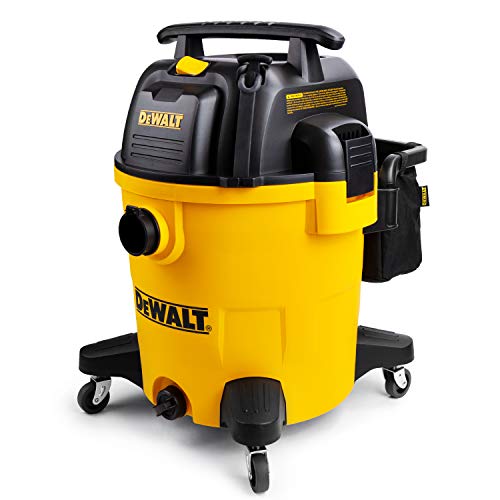

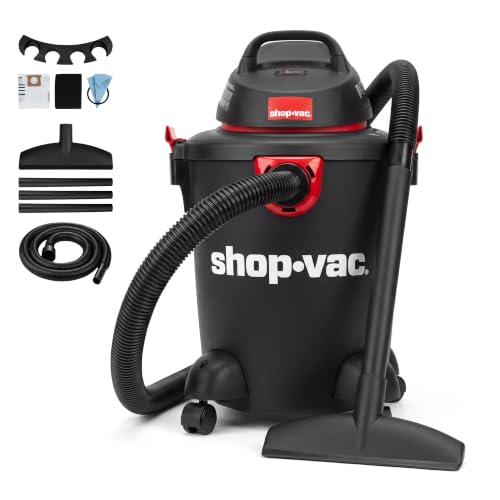
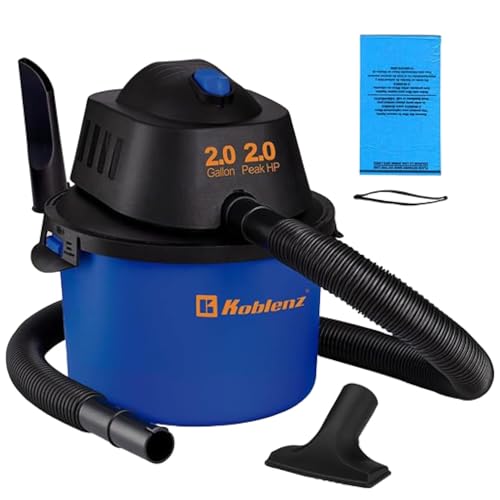

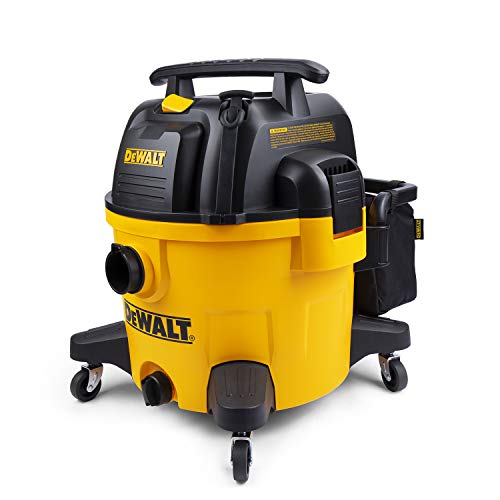
As an Amazon Associate we earn from qualifying purchases at no extra cost to you.
Quick Comparison
| Product | Best For | Standout Feature | Rating |
|---|---|---|---|
| WORKSHOP WS1600VA 16-Gallon | Whole-garage and renovation cleanup | Huge tank with strong sustained airflow | Excellent |
| DEWALT DXV06P 6 Gal | Everyday workshop duty on a budget | Built-in blower port | Very good |
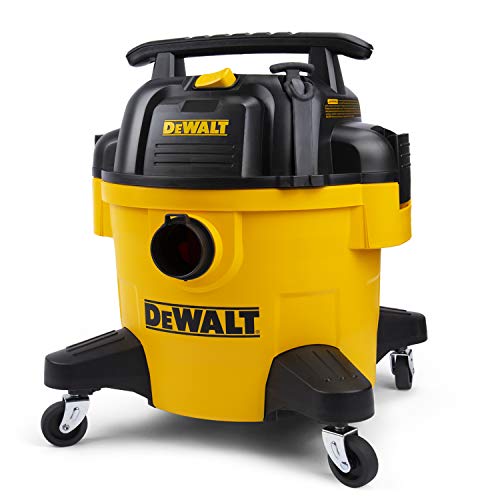
| DEWALT DXV12P 12 Gallon | Jobsite and heavy commercial use | Durable poly tank and rugged casters | Excellent |
| CRAFTSMAN CMXEVBE17250 2.5 Gallon | Cars, benchtops and tight corners | Wall-mountable, genuinely portable | Very good |
| Shop-Vac 5985005 6 Gallon | Wet spills and flooded floors | Fast liquid recovery plus blower mode | Very good |
How to Choose a Wet/Dry Shop Vac for Garage and Workshop Cleanup
- Airflow vs. sealed suction: CFM moves bulky debris like sawdust and leaves; water lift pulls embedded grit and liquid. Look for a machine that publishes both, and treat peak HP as marketing, not measurement.
- Tank capacity you can actually lift: A 16-gallon drum is ideal for renovations but heavy when half full of water. Under 6 gallons is far easier to carry upstairs or out to the driveway.
- Filtration for fine dust: Drywall and concrete dust pass straight through a standard cartridge filter. Budget for a fine-dust filter or collection bag if you sand, cut or grind indoors.
- Hose diameter and length: A 2.5-inch hose clears wood chips and pebbles that clog 1.25-inch hoses. Longer hoses reduce dragging the canister but cost you measurable suction.
- Extras that earn their keep: A blower port doubles the vac as a leaf and sawdust clearer, and onboard accessory storage is the difference between having the crevice tool and hunting for it.
The Best Wet/Dry Shop Vacs for Garage and Workshop Cleanup, Reviewed
Best Overall: WORKSHOP WS1600VA 16-Gallon
This is the pick for anyone cleaning an entire two-car garage, a basement remodel or a shop floor after a project, since the 16-gallon drum swallows a full day of debris without an interruption to empty. Choose it if you have the floor space to park it permanently and value capacity over portability.
Best Budget: DEWALT DXV06P 6 Gal
The best all-round value here: a compact 6-gallon canister that handles sawdust, spilled coolant and general workshop grit, with a blower port that clears the driveway afterward. Ideal for the weekend woodworker or home mechanic who wants one capable machine rather than a specialist.
Best Premium: DEWALT DXV12P 12 Gallon
A step up in build quality, with a thick poly tank and casters that survive being dragged over thresholds and gravel. It suits contractors, serious hobbyists and anyone using a vac several times a week, where longevity matters more than purchase price.
Best for Cars and Tight Spaces: CRAFTSMAN CMXEVBE17250 2.5 Gallon
At 2.5 gallons this is a grab-and-go unit for footwells, truck beds, stair treads and benchtop cleanup, and it stores on a wall hook instead of eating floor space. Best as a second vac, or a first one if your messes are small and frequent.
Best for Wet Spills: Shop-Vac 5985005 6 Gallon
Shop-Vac’s 6-gallon model recovers standing water quickly and switches to blower duty for drying the floor afterward, making it the sensible choice for leaky water heaters, flooded basements and post-wash garage floors.
Frequently Asked Questions
Do I need to remove the filter for wet pickup?
Yes, for most models. Vacuuming liquid through a dry cartridge filter soaks and clogs it, and it will smell within days. Remove the filter, or fit the manufacturer’s foam sleeve, before wet work.
Can a shop vac handle drywall or concrete dust?
Only with fine-dust filtration. Standard filters pass much of it straight back into the room and can blind quickly. Use a fine-dust cartridge plus a collection bag, and expect shorter filter life.
Is a bigger tank always better?
No. Larger tanks reduce emptying stops but add weight, footprint and storage hassle. For car interiors and small workshops, a 2 to 6 gallon vac like the CRAFTSMAN or Koblenz WD-2L is more practical.
What about smaller compact options?
The Koblenz WD-2L is worth a look if you mainly clean cars and small garage spills and want something light and simple to store.
Final Thoughts
For most garages the WORKSHOP WS1600VA delivers the capacity and sustained airflow that make cleanup a single-pass job, while the DEWALT DXV12P is the more durable choice for jobsite abuse. If you want one affordable machine that covers dust, water and blower duty, the DEWALT DXV06P is the easiest recommendation of the group.