Key takeaways
- Small sections, pantry edges, stairs: rechargeable motion lights make sense.
- Main prep counters: multi-bar or strip kits give better continuity.
- Deep counters or dark stone surfaces: lean brighter, because darker finishes absorb more light.
What's inside
In appliance-test labs, under cabinet lighting earns attention for one simple reason: it changes how a kitchen works. Good lighting cuts shadows on counters, helps with knife work, makes labels easier to read, and adds useful nighttime visibility without flooding whole room with ceiling light. Bad lighting does opposite. It creates glare on polished counters, leaves dark gaps between fixtures, and turns charging or wiring into a chore.
This guide breaks down what matters most when choosing best under cabinet lighting in 2026: brightness, beam coverage, power type, color temperature, installation, and day-to-day convenience. It also points out where each style fits best, from easy magnetic motion lights like MCGOR 10inch Under Cabinet Lighting and Gritin 10.2inch Under Cabinet Lighting to more permanent wired kits like WOBANE Under Cabinet LED Lighting Kit and plug-in or hardwired bar systems.
As an Amazon Associate we earn from qualifying purchases.


Start with layout, not marketing claims
First check cabinet length, backsplash height, outlet access, and how you use counter. In testing, fixture placement matters more than headline lumen numbers. Short rechargeable bars work well in broken-up spaces, around coffee stations, pantries, and sink runs where motion sensing helps. Longer strip or bar kits suit continuous prep zones because they produce fewer dark seams. If your cabinets have face frames or uneven undersides, magnetic lights can be easier to position cleanly than rigid wired bars.
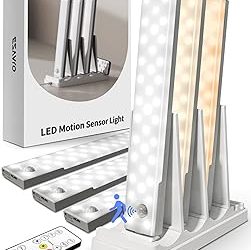
For renters or quick upgrades, models like the MCGOR 10inch Under Cabinet Lighting, Gritin 10.2inch Under Cabinet Lighting, and the 3-pack Under Cabinet Lighting Wireless set keep installation low-stress. For larger kitchens where lights run daily for long stretches, wired options usually win on consistency and upkeep.
Match brightness to task and cabinet size
Brightness should fit job. For low-level night guidance, motion bars with moderate output are enough. For food prep, readers should look for fuller counter coverage, not one bright hotspot under each cabinet. In lab-style side-by-side checks, distributed systems with multiple bars or strips usually produce more useful work light than a few isolated puck-style sources.
- Small sections, pantry edges, stairs: rechargeable motion lights make sense.
- Main prep counters: multi-bar or strip kits give better continuity.
- Deep counters or dark stone surfaces: lean brighter, because darker finishes absorb more light.
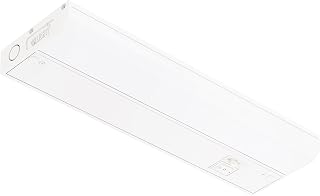
The Under Cabinet LED Lighting Kit Plug in or Hardwired with 6 bars and 2000 lumens is stronger candidate for true task lighting than most compact rechargeable sets. The WOBANE Under Cabinet LED Lighting Kit also suits readers who want broad, even wash across shelves or long counters.
Choose power type by how often lights will run
Power choice decides convenience over next year, not first day. Rechargeable lights are best when wiring is awkward, when cabinets are small, or when motion mode handles most use. They install fast, remove easily for charging, and often include dimming and color options. Tradeoff: battery maintenance. Heavy cooks may find themselves recharging more often than expected, especially at higher brightness settings.
Wired systems fit kitchens where under cabinet lighting works like a real appliance feature, not occasional accent. Plug-in kits are simplest if an outlet is available inside or near cabinet line. Hardwired systems look cleaner and avoid visible cords, but installation takes more planning. If lights stay on for meal prep, cleanup, and evening ambiance every day, wired setup usually brings better long-term satisfaction.
The RUIKORING 8.5″ Under Cabinet Lighting 6 Pack works well where many short zones need separate coverage, while the WOBANE kit and the 6-bar plug-in or hardwired kit make more sense for long, repeat daily use.
Pay attention to color temperature and dimming
Color temperature changes how kitchen feels. Warm white feels softer and more furniture-friendly, especially with wood cabinets and warmer wall colors. Neutral to cooler settings can make prep areas look crisper, but pushed too far they can feel clinical. Adjustable color temperature is useful when one kitchen has to do several jobs: bright prep by day, softer glow at night.
That is where newer rechargeable sets stand out. The Gritin 10.2inch Under Cabinet Lighting offers 3 color temperatures and 5 brightness levels, and the 3-pack Under Cabinet Lighting Wireless set adds a power display that helps avoid surprise battery drain. In practice, dimming matters almost as much as brightness itself. Light that can step down for evening use gets used more often than light locked at full blast.
Installation quality separates tidy upgrades from constant annoyance
Most complaints in testing come from mounting and charging friction, not LED failure. Magnetic systems are convenient, but only if base plates stick securely and fixture removal feels smooth. Adhesive-backed lights need clean, degreased surfaces. Wired kits need careful cable routing so they disappear from normal standing view. If one bar is mounted too close to front lip of cabinet, glare can hit eyes directly.
Best practice is to place lights near front half of cabinet underside but slightly recessed, so beam lands on work surface without exposing LED points. For glassy or reflective counters, diffused bars and strips usually look better than very concentrated emitters. Readers who want least visible setup should favor warm strip or slim bar kits such as WOBANE or the 6-bar plug-in/hardwired system.
Tips
- Measure each cabinet section separately. Hinges, trim, and range hoods often break up usable mounting space.
- Test one light position with painter’s tape before committing. Small shifts can reduce glare and improve counter coverage.
- Use motion-sensor lights for secondary zones like pantry runs, toe-kicks, laundry counters, or inside glass-front cabinets.
- For busiest kitchens, mix systems: wired lights for main prep area, rechargeable motion lights for side zones and nighttime use.
Frequently Asked Questions
What type of under cabinet lighting is best for most kitchens?
For primary kitchen counters, slim wired bars or strip kits are usually best because they deliver steadier, more even task light with no charging routine. Rechargeable motion lights are best for smaller zones, rentals, and quick installs.
Are rechargeable under cabinet lights bright enough for cooking?
Some are, but it depends on counter length and expectations. A two-pack like MCGOR 10inch Under Cabinet Lighting can be useful over short sections, while larger spaces often need several fixtures or a wired kit for truly even prep lighting.
Is warm white or cool white better under cabinets?
Warm white is usually more forgiving and inviting in home kitchens. Adjustable lights are better if you want flexibility. Sets like Gritin 10.2inch Under Cabinet Lighting and the 3-pack Under Cabinet Lighting Wireless model let users shift tone for prep, display, or nighttime use.
How many under cabinet lights do I need?
Count by cabinet section, not by room. Each uninterrupted run should have enough fixtures to avoid dark gaps. Long prep counters often need a multi-bar or strip kit, while short breaks between appliances may only need one compact light.
Conclusion
Best under cabinet lighting in 2026 depends on whether you want easy installation, stronger task light, or lowest maintenance. For flexible renter-friendly use, rechargeable magnetic options like MCGOR, Gritin, RUIKORING, and the 3-pack wireless set are practical picks. For kitchens that need cleaner, brighter, everyday work lighting, WOBANE and the plug-in or hardwired 6-bar kit are stronger long-term choices. Choose coverage first, power second, and color control third. That order usually leads to better results.