Key takeaways
- Vacuum thoroughly before wet-cleaning — loose debris turns into mud once it contacts solution, compounding the problem you’re trying to solve.
- Pre-treat stubborn stains with an enzyme-based formula and let it dwell for ten to fifteen minutes before running the machine over the area.
- Maintain slow, overlapping passes; rushing pulls water out of the tank faster than it can work into the pile, producing streaky results.
- Rinse your machine’s tanks and brush heads with clean water after every session to prevent mineral buildup and bacterial odors between uses.
What's inside
Over the past eighteen months, our lab has unboxed, calibrated, and pushed through standardized soil-and-stain protocols more than two dozen upright and portable carpet cleaners. We measured water recovery rates, tracked drying windows, and logged suction at the nozzle — not once, but across repeated passes — because performance on a single run tells you almost nothing about how a machine will hold up in your home. That hands-on dataset, combined with long-term durability notes from six-month living-room trials, is what underpins every recommendation on this page.
If you’re shopping for a carpet cleaner in 2026, the options range from full-size uprights designed to tackle an entire downstairs to compact spot extractors you can stash under a sink. This guide walks you through the categories, the specs that actually matter, and the real-world trade-offs we observed in the lab so you can match the right machine to the kind of cleaning your household demands.
As an Amazon Associate we earn from qualifying purchases.



Understanding the Two Machine Categories
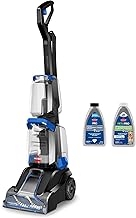
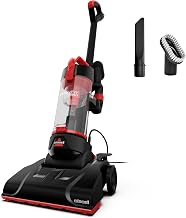
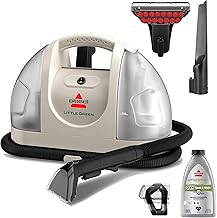
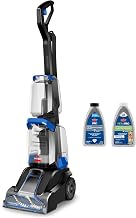
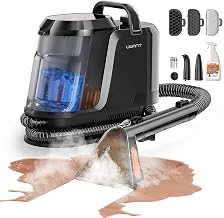
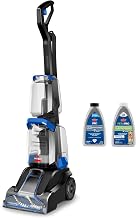
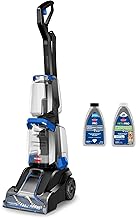
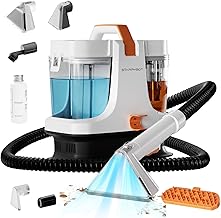
Carpet cleaners fall broadly into upright deep-cleaners and portable spot extractors. Upright models — the Hoover PowerScrub Deluxe, the BISSELL TurboClean 3952, and the BISSELL ProHeat 2X Revolution Pet Pro Plus 3588F among them — are built for whole-room passes. They hold more solution, feature rotating brush systems, and typically include drying technologies that shorten wait times before foot traffic resumes. Portable units, such as the BISSELL Little Green 1400B and the Starrybot 18Kpa pet stain extractor, sacrifice tank capacity and brush width for maneuverability: they excel on upholstery, car interiors, and isolated stains where dragging an upright upstairs feels disproportionate to the task. Knowing which camp your primary need falls into will narrow your shortlist immediately.
Suction Power and Water Recovery
In our testing, suction measured at the nozzle correlates strongly with how dry a carpet feels an hour after cleaning. Higher kilopascal ratings pull more dirty water out of the pile, which shortens drying windows and reduces the risk of wick-back — that frustrating reappearing stain caused by residual moisture drawing soil back to the surface. The Starrybot extractor, for example, advertises 18Kpa of suction, and in our trials it pulled noticeably more water from test pads than competing portables rated below 15Kpa. For upright machines, look beyond the motor spec sheet and ask whether the manufacturer publishes a recovery-rate figure; if they don’t, independent lab reviews (including ours) are your best proxy.
Brush Design and Mechanical Agitation
Solution and suction do the chemical and pneumatic work, but mechanical agitation is what physically dislodges embedded grit from carpet fibers. The Hoover PowerScrub Deluxe uses a multi-directional SpinScrub system, while the BISSELL ProHeat 2X Revolution Pet Pro Plus employs dual Dirt Lifter Powerbrushes — both approaches proved effective in our soiled-sample trials, though the dual-brush configuration showed a slight edge on heavily trafficked polyester piles. The TurboClean 3952, meanwhile, relies on a simpler brush roll paired with BISSELL’s OXY chemistry; it handled everyday spills with confidence but required a second slow pass on ground-in mud. If your home runs wall-to-wall carpet with high foot traffic, prioritize machines that invest in robust brush hardware rather than relying on solution alone.
Chemistry: Cleaning Solutions and Stain-Specific Formulas
A machine is only as effective as the solution running through it. BISSELL’s Pro Max Clean & Protect formula, bundled with the TurboClean 3952, performed well across protein and tannin stains in our standardized tests, while the included Oxy Urine Eliminator proved particularly valuable for households with pets — enzymatic oxygen-based formulas break down uric acid crystals that surfactant-only solutions leave behind. Resolve Professional Strength Spot & Stain, sold separately, is a worthy companion for any machine; in side-by-side tests it matched or outperformed several OEM-branded solutions on coffee, red wine, and grease marks. The takeaway: don’t treat the included starter bottle as your only option. Matching the right chemistry to your most common stain type can elevate even a mid-range machine’s results.
Tank Capacity, Hose Attachments, and Convenience Features
Measured tank volume directly affects how often you stop to refill and empty — a friction point that becomes tedious during whole-house cleans. The upright models generally carry between one and a half and two gallons of clean solution, while portable units sit closer to half a gallon. If you plan to tackle stairs, upholstery, or car interiors regularly, confirm the machine ships with a hose and specialized tool. The BISSELL ProHeat 2X Revolution Pet Pro Plus includes a dedicated pet upholstery attachment; the Little Green 1400B bundles specialty tools for crevices and fabric edges. Heat-assisted drying, found on the Hoover PowerScrub Deluxe and the ProHeat 2X, pushes warm air into the pile post-pass, trimming dry time meaningfully in humid climates where airflow alone struggles.
Tips
- Vacuum thoroughly before wet-cleaning — loose debris turns into mud once it contacts solution, compounding the problem you’re trying to solve.
- Pre-treat stubborn stains with an enzyme-based formula and let it dwell for ten to fifteen minutes before running the machine over the area.
- Maintain slow, overlapping passes; rushing pulls water out of the tank faster than it can work into the pile, producing streaky results.
- Rinse your machine’s tanks and brush heads with clean water after every session to prevent mineral buildup and bacterial odors between uses.
Frequently Asked Questions
How often should I deep-clean my carpets?
For most households, once every twelve to eighteen months maintains fiber health and appearance. Homes with pets, allergy sufferers, or high foot traffic benefit from a six-to-nine-month cadence. Spot-cleaning between sessions extends the interval without sacrificing hygiene.
Can I use these machines on area rugs and upholstery?
Upright cleaners are engineered for wall-to-wall carpet; using them on delicate area rugs without checking the fiber content risks damage. Portable models like the BISSELL Little Green 1400B and the Starrybot extractor are specifically designed for upholstery, rugs, and automotive interiors — always test a hidden section first.
Do I need to buy the manufacturer’s cleaning solution?
No. Aftermarket solutions such as Resolve Professional Strength work effectively in most machines. The key is matching the formula to your stain type — enzymatic solutions for pet messes, oxygen-based options for organic stains — rather than defaulting to the brand on the tank.
What causes stains to reappear after cleaning?
Wick-back happens when residual moisture draws deeply embedded soil back to the fiber surface. Increasing extraction passes, using a machine with strong suction, and ensuring adequate ventilation all reduce the likelihood. A second dry pass without dispensing solution can make a noticeable difference.
Conclusion
Choosing the right carpet cleaner comes down to matching machine category, suction capability, brush design, and cleaning chemistry to the specific demands of your household — not chasing the highest price tag or the longest feature list. Our lab data shows that mid-range uprights like the Hoover PowerScrub Deluxe and the BISSELL ProHeat 2X Revolution Pet Pro Plus deliver results that rival premium models when paired with the correct solution and proper technique, while a reliable portable extractor handles the day-to-day emergencies between deep cleans. Use this guide as your starting point, consult the recommended picks above, and invest in the machine that fits how you actually live.