Key takeaways
- Measure the mattress with every topper already in place, then compare that measurement with the pad’s stated pocket range.
- For the coolest feel, choose breathable quilting and avoid stacking multiple thick foam or fiber layers.
- Air out a new pad before use if it has a noticeable packaging odor, and follow the care label rather than using maximum dryer heat.
- Rotate the pad occasionally if the quilting or fill begins to compress unevenly.
- Use a separate waterproof protector when liquid protection is needed but you do not want a fully waterproof pad against your skin.
What's inside
A cooling mattress pad can make a noticeable difference when your bedding traps heat, feels clammy, or needs a little extra cushioning without replacing the mattress. In our home-appliance and sleep-product testing approach, we look beyond the word “cooling”: the useful questions are whether the fabric feels breathable, whether the fill compresses evenly, whether the fitted skirt stays put, and how easily the pad can be washed.
This guide explains how to choose the best cooling mattress pad in 2026 for your sleep style, mattress depth, and protection needs. We also outline which features are genuinely helpful, where marketing claims need context, and how the recommended models suit different bedrooms—from hot sleepers seeking softness to households that prioritize waterproof protection.
As an Amazon Associate we earn from qualifying purchases.



How We Evaluate Cooling Mattress Pads
In a lab-style review, we begin with construction. We inspect quilting, seams, elastic tension, pocket depth, and the distribution of the fill. A pad should lie flat rather than bunch beneath the sleeper. We also assess initial hand feel, airflow through the surface, and how quickly the material feels warm after repeated contact. These checks do not replace an overnight trial, but they reveal whether a product is likely to be comfortable and durable.
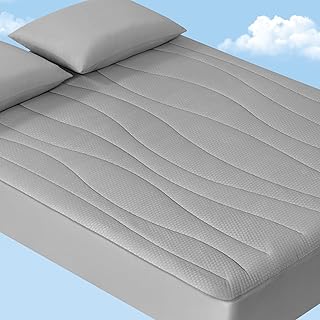
“Cooling” can mean several things. Breathable cotton or rayon-derived fibers may help moisture escape, while a thin quilted design can reduce heat retention. Phase-change-material (PCM) technology, such as the Arc-Chill® 3.0 system in the Elegear Cooling Mattress Pad, is designed to absorb and release heat for a more balanced surface temperature. It is not active refrigeration, and its effect can lessen once the material reaches thermal equilibrium.
Choose the Right Surface and Fill
For a soft, cushioned feel, look for a pillow-top or quilted pad with down-alternative filling. The OLANLY Queen Quilted Fitted Mattress Pad is a practical example: its fluffy fill adds comfort while its breathable cover is intended for everyday use. The SLEEP ZONE Cooling Mattress Pad offers a similar down-alternative approach in a Twin size, making it useful for a child’s room, guest bed, or single sleeper.
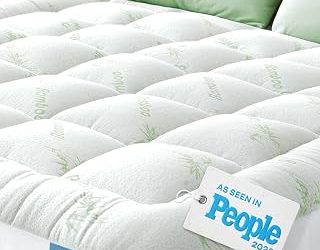
Rayon derived from bamboo, used in the Niagara Sleep Solution Ultra Soft & Cooling Mattress Topper, tends to feel smooth and cool to the touch. It can be a good choice for sleepers who dislike coarse or crisp bedding. However, surface feel is only one part of temperature management; a thick, lofty pad may still hold more warmth than a thinner protector, regardless of its cover fabric.
Match the Pad to Your Mattress
Measure the mattress, including any existing topper, before ordering. Deep-pocket sizing is especially important on pillow-top and hybrid mattresses. A skirt described as fitting 8 to 21 inches may accommodate a wide range, but the elastic must still have enough tension to hold the corners securely. A loose skirt can shift during the night, while one stretched beyond its limit may pull the quilting out of shape.
The Niagara model advertises a 20-inch pocket, while the OLANLY pad fits mattresses up to 21 inches. The Elegear version lists an 18-inch pocket. Those figures are useful starting points, but check your mattress height and the seller’s current dimensions because bedding specifications can vary by size.
Decide Whether You Need Waterproof Protection
Cooling comfort and waterproofing involve a trade-off. A waterproof membrane protects against spills, perspiration, and accidents, but it can reduce airflow and sometimes create a warmer or less flexible feel. If liquid protection is essential, prioritize a quiet, breathable membrane and read care instructions carefully. Waterproof pads should not be treated as fully breathable simply because the top fabric is quilted.
The Queen Size Waterproof Mattress Pad Protector is aimed at larger mattresses up to 21 inches deep and adds a black, noiseless waterproof layer. The ELVEN HOME Full Size Waterproof Mattress Pad serves the same protective role for a double bed, with an 8-to-21-inch pocket range. These are sensible options for guest rooms, children’s beds, or anyone who values spill protection above maximum airflow.
Check Care, Noise, and Long-Term Fit
Washability is one of the most important ownership factors. Look for machine-washable construction, clear temperature guidance, and instructions for drying without excessive heat. A pad that must be handled delicately may not suit a frequently used guest bed or a household with pets. Before the first wash, note the original loft and corner fit so you can spot shrinkage or filling migration.
During evaluation, listen for crinkling when the pad is compressed or the sleeper turns. Waterproof layers are the most likely to produce noise, although construction varies. Also consider your sheets: a thick pad can reduce the effective depth of fitted sheets, so you may need deep-pocket bedding even if the mattress itself is relatively slim.
Tips
- Measure the mattress with every topper already in place, then compare that measurement with the pad’s stated pocket range.
- For the coolest feel, choose breathable quilting and avoid stacking multiple thick foam or fiber layers.
- Air out a new pad before use if it has a noticeable packaging odor, and follow the care label rather than using maximum dryer heat.
- Rotate the pad occasionally if the quilting or fill begins to compress unevenly.
- Use a separate waterproof protector when liquid protection is needed but you do not want a fully waterproof pad against your skin.
Frequently Asked Questions
Do cooling mattress pads really work?
They can improve comfort by moving moisture away from the body, allowing more airflow, or moderating the sensation of heat at the surface. They cannot lower the room temperature or continuously cool a sleeper like an air conditioner. Results depend on bedroom temperature, sheets, mattress materials, and individual sleep habits.
Is a mattress pad the same as a mattress topper?
The terms overlap, but a pad is usually thinner and focused on protection, surface softness, or modest cushioning. A topper is generally thicker and intended to change the firmness or support of the mattress. Some products, including pillow-top pads, sit between these categories.
Which is better for hot sleepers: bamboo rayon or PCM cooling?
Neither is universally better. Rayon-derived fabric may provide a smooth, breathable surface, while PCM materials are designed to manage short-term heat buildup. If you want a plush feel, the Niagara may be appealing; if temperature regulation is your main priority, the Elegear’s PCM construction is worth considering.
Can a waterproof mattress pad still be cool?
Yes, but waterproofing may limit airflow compared with an uncoated fabric pad. Choose a model with a breathable top layer, avoid unnecessarily thick padding, and check independent user feedback for heat and noise. Waterproof protection is often worth the compromise where spills or accidents are likely.
Conclusion
The best cooling mattress pad is the one that balances airflow, cushioning, secure fit, and care requirements for your particular bed. Choose the Niagara for a soft bamboo-derived surface, the Elegear for PCM-focused temperature management, or OLANLY for washable pillow-top comfort. If waterproof protection is the priority, consider the Queen Size protector or ELVEN HOME Full Size model, and match every choice carefully to your mattress dimensions.