Key takeaways
- Place a pillow between your knees or thighs to keep your hips more level; a topper works best with sound sleep positioning.
- If your shoulder and hip ache but your lower back feels supported, try a slightly softer or thicker topper before choosing the maximum thickness available.
- Rotate a non-directional topper periodically if the manufacturer permits it, especially when one partner uses the same area every night.
- Use a breathable protector rather than layering several dense waterproof covers, which can increase heat and change the topper’s feel.
What's inside
Side sleepers put more pressure on their shoulders and hips than back or stomach sleepers do. If a mattress is too firm, those areas can feel bruised by morning; if it is too soft, the waist may sink and pull the spine out of alignment. A well-chosen topper can fine-tune the feel of an otherwise serviceable mattress without the cost of replacing it.
In our home-furnishings testing approach, we look beyond the first soft impression. The useful questions are how evenly a topper cushions the body, whether it traps heat, how securely it stays on the bed, and whether its thickness suits the mattress underneath. This guide explains those choices and highlights the main types to consider before buying.
As an Amazon Associate we earn from qualifying purchases.



Recommended picks: match softness to support
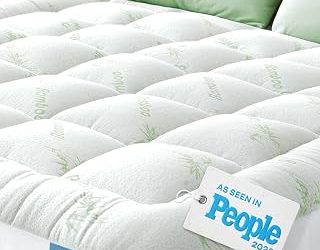
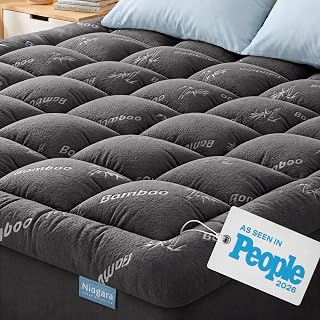
For a plush, mattress-pad-style upgrade, the Niagara Sleep Solution Ultra Soft & Cooling Mattress Topper and BEDLORE Queen Mattress Topper Viscose Bamboo are sensible starting points. Their pillow-top construction is designed to add surface cushioning without the dense, enveloping feel of thick foam. They may suit side sleepers who want gentler pressure relief while retaining much of the original mattress feel.
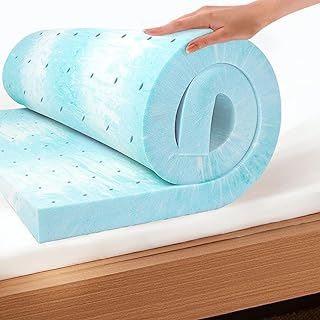
If you want a more substantial change, the WhatsBedding 5 Inch Queen Mattress Topper is an unusually thick option, while the EGO 3 Inch Queen Mattress Topper Gel Memory Foam offers a more conventional foam profile with gel infusion and ventilation. The Linenspa 2 Inch Gel Infused Memory Foam Topper is a slimmer choice for adding moderate contouring. For shoppers who mainly want quilting, breathability, and a washable cover, the EASELAND Queen Size Mattress Pad is worth considering.
Choose the right thickness
Thickness changes both comfort and bed height. A 2-inch foam topper can soften a firm mattress while preserving more of its support. Around 3 inches usually provides noticeably deeper cushioning for the shoulder and hip, making it a strong all-round choice for many side sleepers. Very thick models, such as a 5-inch design, can transform the bed more dramatically, but they may feel less stable and can make getting in and out harder.
Start with the mattress you already own. A firm, flat mattress can accommodate more cushioning than one that is already sagging. No topper can reliably correct a deep dip or broken support core; adding thick material over a failing mattress may simply hide the problem temporarily.
Balance pressure relief with spinal alignment
The best topper lets your shoulder and hip sink slightly while keeping your midsection supported. Memory foam generally offers the most precise contouring, which can reduce pressure at prominent joints. However, very soft foam may allow the pelvis to drop too far, particularly for heavier sleepers or anyone sharing a bed with a partner.
Latex or quilted fiber-filled toppers tend to feel more buoyant and make changing position easier. Pillow-top pads can be comfortable but may compress unevenly over time. When comparing products, pay attention to the return policy and the underlying mattress firmness, not just the stated thickness or “plush” label.
Consider heat and airflow
Side sleepers often spend more of their body in contact with the bed, so heat management matters. Gel-infused and ventilated foams, as used in options such as the EGO and Linenspa toppers, are intended to improve airflow or reduce the sensation of warmth, though no foam topper will feel as airy as a thin cotton pad.
Bamboo-viscose and cotton covers can feel cooler and wick some moisture from the surface. The Niagara and BEDLORE toppers emphasize bamboo-derived fabric, while the EASELAND uses a cotton top. Look for a removable, machine-washable cover where possible. A breathable sheet, a stable room temperature, and a mattress protector can matter as much as the topper material itself.
Check fit, care, and movement
Measure the mattress width, length, and depth before ordering. A topper that is too small can leave unsupported edges; one that is too deep may make fitted sheets pop off. Some listed products use stretchable or deep-pocket skirts, but pocket ranges are not interchangeable, so compare the stated range with your actual mattress and any protector already on it.
We also recommend checking how the topper is secured. Elastic straps, a fitted skirt, or a grippy underside can help prevent bunching when you turn at night. Foam toppers commonly arrive compressed and need time to expand and air out. Follow the manufacturer’s instructions, avoid folding them sharply, and allow extra ventilation if there is a noticeable new-product odor.
Tips
- Place a pillow between your knees or thighs to keep your hips more level; a topper works best with sound sleep positioning.
- If your shoulder and hip ache but your lower back feels supported, try a slightly softer or thicker topper before choosing the maximum thickness available.
- Rotate a non-directional topper periodically if the manufacturer permits it, especially when one partner uses the same area every night.
- Use a breathable protector rather than layering several dense waterproof covers, which can increase heat and change the topper’s feel.
Frequently Asked Questions
How thick should a mattress topper be for a side sleeper?
Two to three inches is a practical starting range for most side sleepers. Choose closer to 2 inches when you only need modest softening, and consider 3 inches when the mattress is firm and your shoulders or hips need more room to sink. Thicker models are more transformative but can reduce stability.
Is memory foam or a pillow-top topper better?
Memory foam usually provides more targeted pressure relief and motion isolation. A pillow-top or fiber-filled pad feels lighter, more breathable, and easier to move on, but it may not cushion pronounced pressure points as deeply. Your preferred feel and the firmness of your mattress should decide between them.
Can a topper fix a mattress that is sagging?
Only temporarily, and usually not completely. If the mattress has a substantial or worsening dip, a topper may conform to the same uneven surface. It is better viewed as a comfort adjustment for a structurally sound mattress, not a replacement for worn-out support.
How can I stop a topper from sliding?
Use a correctly sized fitted sheet that covers both the topper and mattress, and choose a topper with elastic edging, straps, or a textured underside. Make sure the bed frame is level. If sliding continues, remove excess bedding layers and check that the topper has fully expanded.
Conclusion
The best mattress topper for a side sleeper is not automatically the thickest or softest model. Look for enough cushioning to relieve shoulder and hip pressure, enough support to keep the waist from sinking, and a cover and construction suited to your sleeping temperature. For a gentle, breathable change, consider a bamboo or cotton pillow-top design; for deeper contouring, compare a 2- or 3-inch gel memory-foam topper. Measure carefully, confirm the care instructions, and favor a reliable return policy so the feel can be judged over several nights rather than a few minutes in the showroom.