Key takeaways
- Initial Purchase Price: A standard belt drive washing machine costs between $450 and $800. A direct drive model represents a larger initial investment, usually ranging from $750 to $1,600.
- Energy and Water Efficiency: Direct drive motors are highly efficient, using advanced inverter technology that draws less wattage (typically 300 to 500 watts per load) compared to traditional belt drives (500 to 800 watts). Over five years of running four loads a week, a direct drive model can save you approximately $80 to $150 on your electricity bills.
- Maintenance and Repair Costs: A belt drive washer will likely require at least one belt replacement over a five-year period. Utilizing DIY-friendly parts like the GE WH01X27538 belt keeps this cost under $20. However, if a direct drive motor’s electronic inverter control board fails out of warranty, repairs can easily top $300 to $450, occasionally forcing homeowners to replace the machine entirely.
What's inside
For decades, laundry was relegated to the basement or a distant garage—hidden away because of the deafening racket of the spin cycle. However, modern home designs favor open-floor plans, first-floor laundry closets, and multi-functional utility spaces. This structural shift means your washing machine is likely closer to your living room, home office, or bedroom than ever before. When shopping for a new appliance, the ultimate choice often boils down to a fundamental mechanical difference: direct drive versus belt drive.
The real decision a buyer faces isn’t just about how clean their clothes get; it is about how much disruption they are willing to tolerate in their daily lives. A machine that rattles, whines, or vibrates excessively can ruin a work-from-home Zoom call or wake a sleeping toddler. As we look at the appliance landscape of 2026, quiet operation has transitioned from a luxury upgrade to a baseline expectation. Understanding how direct drive vs belt drive washing machine noise levels compare is the key to choosing an appliance that fits seamlessly into your home’s acoustic footprint.
As an Amazon Associate we earn from qualifying purchases at no extra cost to you. Product prices and availability are accurate as of the date shown and are subject to change.


Quick Verdict
If minimizing noise and vibration is your absolute highest priority, a direct drive washing machine is the clear winner. By mounting the motor directly to the drum, these machines eliminate the high-pitched friction whine and belt slap common in traditional models. However, if you are working with a tighter upfront budget and want an appliance that is inexpensive and simple to repair down the road, a modern belt drive washing machine remains a highly practical and reliable choice.
Side by Side
To help you visualize the differences between these two configurations, here is a breakdown of how they compare across key purchasing criteria:
| Feature | Direct Drive Washing Machines | Belt Drive Washing Machines |
|---|---|---|
| Comfort (Noise & Vibration) | Ultra-quiet; averages 45–48 dB during wash, 65–68 dB during spin. Minimal cabinet vibration. | Noticeable hum and whine; averages 52–58 dB during wash, 70–76 dB during spin. Higher vibration potential. |
| Durability | Excellent; fewer moving parts to wear out. Motors often carry 10-year warranties. | Moderate; belts stretch, slip, or snap over time, requiring periodic replacement. |
| Price Range | $750 to $1,600+ (higher upfront investment). | $400 to $850 (budget-friendly). |
| Maintenance Complexity | Low frequency, but high complexity. If the motor fails, repairs require a professional technician. | Higher frequency, but very simple. Belts are cheap and easy for homeowners to replace. |
| Space Needed (Chassis & Drum) | Slightly more compact motor footprint allows for larger drum capacities (4.5 to 5.2 cu. ft.) in standard 27-inch frames. | Pulleys and belts require internal cabinet clearance; drum sizes typically range from 3.5 to 4.5 cu. ft. |
| Visual Look | Sleek, modern control panels; often integrated into premium front-load and high-efficiency top-load designs. | Traditional, utilitarian appearance; commonly found in standard top-load configurations. |
| Resale Value | High; buyers recognize the premium value of long-lasting, quiet direct-drive technology. | Standard; depreciates faster due to the shorter lifespan of wearable parts. |
| Best For | Second-floor laundry rooms, small apartments, and open-concept living spaces where silence is gold. | Rental properties, basement laundry rooms, and budget-conscious households. |
Where Direct Drive Wins
The magic of direct drive technology lies in its elegant simplicity. In a direct drive system, the motor is coupled directly to the back of the wash drum. There are no pulleys, no gears, and—most importantly—no rubber belts. This mechanical design eliminates the primary sources of friction, slack, and mechanical noise.
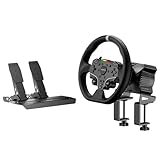
To understand the acoustic benefit, it helps to look at other industries where direct drive technology has replaced belt-driven systems to achieve ultra-precise, whisper-quiet performance. For example, in the world of high-end simulator gaming, racers who demand instant, silent feedback have shifted toward premium direct-drive steering bases. Products like the MOZA R3 Bundle Kit Direct Drive Servo base, Racing Wheel and Pedals for PC — price $279.99 or the step-up MOZA R5 Bundle Racing Simulator Direct Drive Base, Wheel & Pedal Kit for PC — price $378.98 demonstrate how removing belts and pulleys eliminates mechanical play, dampens high-frequency whines, and delivers pure, silent power. The same physics apply to your laundry room.
Because there is no belt to stretch or slip, a direct drive washing machine operates with incredible balance. Advanced sensors can detect an unbalanced load instantly and adjust the motor’s speed and direction in milliseconds. This prevents the violent cabinet-banging and heavy thumping during the spin cycle that often plagues older machines. Direct drive models typically operate at a whisper-soft 45 to 48 decibels (dB) during the wash cycle and rarely exceed 68 dB during a high-speed spin of 1,300 RPM. This makes them quiet enough to run in a hallway closet right next to a home office or bedroom without interrupting your concentration.
Where Belt Drive Washing Machine Noise Levels Wins
While direct drive systems rule the premium market, belt drive washing machines are far from obsolete. In fact, when looking at direct drive vs belt drive washing machine noise levels, modern belt-driven models have made massive strides. Manufacturers now use multi-ribbed rubber belts, brushless inverter motors, and heavy-duty acoustic insulation panels to keep noise levels down.
During a standard wash cycle, a modern belt-driven washer will register around 52 to 58 dB. While this is louder than a direct drive, it is roughly equivalent to the hum of a modern dishwasher or a soft conversation. The noise level only spikes during the high-speed spin cycle, where it can reach 70 to 76 dB. If your laundry room is located in a basement, a detached garage, or behind a heavy solid-core door, this extra noise is practically unnoticeable.
Where belt drive machines truly shine is in their repairability and long-term maintenance costs. Because the system relies on a simple rubber belt, any physical wear is isolated to an inexpensive, easily replaceable part. If your belt drive machine begins to slip, squeal, or fail to spin, you do not need to replace an expensive motor controller. Instead, you can purchase an affordable aftermarket replacement like the NBPLUS WH01X27538 Washer Drive Belt for GE/Hotpoint Washing Machines — price $9.99, or opt for an original equipment manufacturer part such as the GE WH01X27538 Washer Drive Belt — price $14.89. These repairs can be completed in under thirty minutes with basic hand tools, saving you hundreds of dollars in professional service fees.
Cost Over 5 Years
When calculating the true cost of ownership, you must look beyond the initial price tag at the register. A comprehensive five-year outlook highlights the trade-offs between upfront costs, utility bills, and maintenance requirements.
- Initial Purchase Price: A standard belt drive washing machine costs between $450 and $800. A direct drive model represents a larger initial investment, usually ranging from $750 to $1,600.
- Energy and Water Efficiency: Direct drive motors are highly efficient, using advanced inverter technology that draws less wattage (typically 300 to 500 watts per load) compared to traditional belt drives (500 to 800 watts). Over five years of running four loads a week, a direct drive model can save you approximately $80 to $150 on your electricity bills.
- Maintenance and Repair Costs: A belt drive washer will likely require at least one belt replacement over a five-year period. Utilizing DIY-friendly parts like the GE WH01X27538 belt keeps this cost under $20. However, if a direct drive motor’s electronic inverter control board fails out of warranty, repairs can easily top $300 to $450, occasionally forcing homeowners to replace the machine entirely.
In summary, while a direct drive washer saves you money on your monthly utility bills and operates with superior quietness, the belt drive washer remains the more economical choice over a five-year span due to its low purchase price and cheap repair parts.
Which One for Your Home
Small Apartment
In a tight living space or a studio apartment, there is nowhere to hide from appliance noise. A direct drive washing machine is the only logical choice here. Its ultra-low vibration and sub-50 dB wash cycle ensure that you can sleep, watch television, or work from home without a constant mechanical hum in the background.
Family with Kids/Pets
For large households running ten or more loads of laundry every week, the durability and capacity of a direct drive washer are invaluable. These machines can handle massive comforters and heavy towel loads without throwing the drum off-balance, keeping your home peaceful even during back-to-back laundry days.
Rental Property
If you are furnishing a rental property, a belt-driven washing machine is highly practical. Tenants can be tough on appliances, and overloaded drums can easily snap a belt. Fixing a broken belt with a budget-friendly replacement part keeps your maintenance costs low and ensures your tenants’ laundry is back up and running quickly without a costly professional service call.
Long-Term Home
If you plan to stay in your home for the next ten years, investing in a high-end direct drive washer pays massive dividends in daily comfort. The whisper-quiet spin cycle, superior energy efficiency, and long manufacturer warranties on the direct-drive motor provide peace of mind and an elevated living experience.
FAQ
How many decibels is considered a quiet washing machine?
Any washing machine that operates under 50 dB during the wash cycle and under 70 dB during the spin cycle is considered exceptionally quiet. Direct drive machines easily hit these targets, while standard belt drive machines typically hover around 55 dB for wash cycles and 75 dB for spin cycles.
Do direct drive washing machines vibrate less?
Yes. Because the motor is integrated directly onto the drum shaft, there is no belt tension pulling the drum to one side. This centered weight distribution, combined with advanced electronic balance sensors, drastically reduces cabinet vibration during high-speed spins.
Is it easy to replace a washing machine belt yourself?
Yes, replacing a washer drive belt is one of the easiest DIY appliance repairs. Most belt-driven models allow you to access the belt by simply removing a rear panel or tilting the machine up. Replacing the worn belt with a standard replacement part requires only basic tools and about 20 to 30 minutes of your time.
Why do belt drive machines make a high-pitched squealing sound?
A high-pitched squeal is almost always caused by a worn-out, stretched, or slipping rubber belt. As the belt loses its grip on the motor pulley during heavy loads or fast spins, friction causes it to slip and emit a loud squeaking sound. Replacing the belt resolves this issue immediately.