Key takeaways
- Physical Dimensions: Most standard front-loading or top-loading direct drive units measure 27 inches wide, 38 to 44 inches high, and 30 to 34 inches deep. You will need at least 1 to 2 inches of clearance on all sides and 5 to 6 inches behind the machine for hoses and venting.
- Weight: These machines are heavy. Because the motor is mounted directly to the drum, they require heavy concrete or metal counterweights to keep the machine stable. A standard direct drive washer weighs between 160 and 210 pounds.
- Wattage and Power: They run on standard 120-volt household outlets, drawing between 500 and 1,000 watts during peak spin cycles, making them highly energy-efficient.
- Price Range: Expect to pay between $700 and $1,400 for a reliable, full-sized direct drive model.
What's inside
The Short Answer
Yes, buying a direct drive washing machine is absolutely worth it for an apartment, provided you have dedicated in-unit utility hookups and plan to stay in your home long-term. If your apartment has thin walls, sensitive downstairs neighbors, or a laundry closet right next to your bedroom, the ultra-quiet operation and reduced vibration of a direct drive motor are game-changers. However, if you are a frequent mover, live in a temporary rental without washer/dryer hookups, or need a lightweight portable machine that hooks up to your kitchen sink, you should skip it. Direct drive units are incredibly heavy, expensive, and difficult to transport from one lease to the next.
What You Actually Get
To understand the direct drive washing machine pros and cons for apartment living, you first need to understand how the technology differs from traditional laundry setups. In a standard washing machine, the motor sits to the side or bottom of the wash drum, using a rubber belt, pulleys, and a gearbox to spin the basket. Over time, these belts stretch, slip, and degrade, creating a high-pitched whine during the spin cycle.
As an Amazon Associate we earn from qualifying purchases at no extra cost to you. Product prices and availability are accurate as of the date shown and are subject to change.

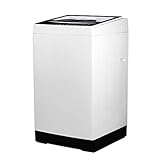
A direct drive (DD) washing machine eliminates the middleman. The motor is mounted directly to the back of the stainless steel inner tub. This design offers a streamlined, highly balanced rotation. However, this advanced engineering comes with physical and financial trade-offs that impact apartment dwellers differently than suburban homeowners.
When shopping in 2026, here is what you can realistically expect from a standard direct drive washing machine:
- Physical Dimensions: Most standard front-loading or top-loading direct drive units measure 27 inches wide, 38 to 44 inches high, and 30 to 34 inches deep. You will need at least 1 to 2 inches of clearance on all sides and 5 to 6 inches behind the machine for hoses and venting.
- Weight: These machines are heavy. Because the motor is mounted directly to the drum, they require heavy concrete or metal counterweights to keep the machine stable. A standard direct drive washer weighs between 160 and 210 pounds.
- Wattage and Power: They run on standard 120-volt household outlets, drawing between 500 and 1,000 watts during peak spin cycles, making them highly energy-efficient.
- Price Range: Expect to pay between $700 and $1,400 for a reliable, full-sized direct drive model.
Pros
- Whisper-Quiet Operation: The lack of a mechanical belt and pulleys eliminates the loudest high-frequency noises of a laundry cycle. Direct drive machines typically operate at 45 to 55 decibels (dB) during the wash cycle and stay under 68 dB during high-speed spins. This is quiet enough to run a load of laundry in a studio apartment while you sleep or take a work call.
- Minimal Floor Vibration: Standard belt-driven washers can suffer from belt slippage, which causes the drum to wobble off-center and vibrate violently. Direct drive motors use electronic sensors to instantly detect an unbalanced load and adjust the drum speed. This prevents the shaking that translates through thin apartment floorboards into your downstairs neighbor’s ceiling.
- Superior Energy Efficiency: Because there is no friction loss from a rubber belt, direct drive motors transfer 100% of their mechanical energy directly to the drum. This lowers your monthly utility bills and reduces overall water usage.
- Long-Term Motor Durability: Fewer moving parts mean fewer points of failure. Most manufacturers are so confident in this design that they offer a 10-year warranty specifically on the direct drive motor.
- More Wash Space in a Compact Footprint: By removing the bulky belt and pulley system from the bottom of the cabinet, manufacturers can expand the drum capacity slightly without increasing the outer dimensions of the machine.
Cons
- Difficult to Move: Weighing up to 210 pounds, these machines are incredibly difficult to maneuver up narrow apartment staircases, through tight hallways, or into small closets. If you move every year when your lease expires, a direct drive machine will make moving day a nightmare.
- Higher Upfront Cost: You will rarely find a high-quality direct drive washing machine for under $650. If you are on a tight budget, the initial investment can be hard to justify compared to cheap, belt-driven portable washers.
- Expensive Out-of-Warranty Repairs: While the motor itself is highly durable, if it does fail, or if the internal electronic sensors (such as the hall sensor) malfunction, repairs are complex. You cannot easily DIY a direct drive fix; you will need to pay a certified technician $150 to $300 for labor, plus the cost of specialized parts.
- Risk of Bearing Damage: If the tub bearings wear out over time due to consistent overloading, the repair can be incredibly labor-intensive. In many direct drive models, replacing the bearings requires dismantling the entire motor assembly.
Who Should Buy It
You should invest in a direct drive washing machine if you own your apartment, live in a long-term condo, or have a secure lease in an apartment with dedicated laundry hookups. It is the ideal choice for those who live on upper floors with neighbors directly below them, as the lack of vibration will prevent noise complaints. It is also perfect for remote workers, parents with young children, and studio-apartment dwellers who need their living space to remain quiet during the day and night.
Who Should Skip It
You should skip the direct drive washing machine if you are renting a temporary unit, plan to move within the next 12 to 24 months, or live in an older building without dedicated washer and dryer hookups. If you rely on connecting your washing machine to a kitchen or bathroom sink faucet, a standard heavy-duty direct drive washer is far too large and permanently plumbed to work in your space. Instead, you should look toward lightweight, highly portable belt-driven units.
Cheaper Alternatives
If a heavy, expensive direct drive machine does not fit your current apartment layout, budget, or lifestyle, there are several compact, belt-driven alternatives designed specifically for smaller spaces. These options are lighter, cheaper, and often require no specialized plumbing.
| Alternative Option | Estimated Cost | Key Trade-offs |
|---|---|---|
| Compact Portable Top-Loader | $250 – $380 | Uses a belt-driven motor that is louder and vibrates more; smaller capacity (around 1.5 to 1.7 Cu. Ft. / 11 lb load limit); lightweight (under 80 lbs) and rolls on wheels to connect to a standard sink faucet. |
| Twin-Tub Washer & Spin Dryer Combo | $150 – $250 | Requires manual labor to transfer wet clothes from the wash tub to the spin spinner; entirely plastic construction; very lightweight (under 30 lbs) but lacks automated cycle convenience. |
| Auertech Portable Washer and Dryer Combo Set | $450 – $550 | Offers a 28-pound capacity across a fully automatic system, but relies on a traditional motor system; requires manual water monitoring or sink hookups; larger physical footprint than single portable units. |
| Black+Decker 1.7 Cu. Ft. Portable Washer (BPWM16W) | $300 – $380 | Extremely easy to store and hook up to a kitchen sink, but the belt-driven motor can produce a noticeable hum during high-speed spins; limited to smaller 11-pound load capacities. |
FAQ
Are direct drive washing machines quieter for apartment walls?
Yes. Because the motor is mounted directly to the back of the wash tub, there are no belts or pulleys to create high-pitched friction noises. This results in a much lower decibel level, making them ideal for apartments with thin walls or shared laundry closets.
Can I connect a direct drive washer to my kitchen sink?
Generally, no. Standard direct drive washers are heavy, full-sized residential appliances designed for permanent installation with dedicated hot and cold water valves and a standpipe drain. They do not come with faucet adapters or caster wheels for easy rolling.
Do direct drive washers shake the floor less on upper levels?
Yes, they vibrate significantly less than belt-driven models. Direct drive machines utilize advanced electronic sensors to monitor load balance in real-time. If the clothes clump to one side, the motor instantly adjusts its speed and rotation to rebalance the load, preventing the violent shaking that can rattle wooden apartment floors.
Is it harder to move a direct drive washer during a lease change?
Yes, they are much harder to move. Direct drive machines require heavy internal counterweights to stabilize the motor, pushing their average weight to between 160 and 210 pounds. If you move frequently, transporting one of these units up and down apartment staircases can be incredibly difficult and may require professional movers.