Key takeaways
- A Certified Filter: The physical HEPA media is dense, woven glass fibers that catch microscopic allergens that pass straight through standard foam or felt filters.
- A Sealed System: This is the most critical and often overlooked part. A vacuum can have a HEPA filter, but if the plastic housing around the motor isn’t completely sealed with rubber gaskets, dirty air will bypass the filter entirely and leak out of the sides of the machine.
What's inside
The Short Answer
If you are asking yourself, “do i need a hepa vacuum for hardwood floors,” the answer depends on one crucial condition: the respiratory health of your household.
If no one in your home suffers from asthma, chronic allergies, or severe sensitivities to pet dander, the short answer is no. You do not strictly need a HEPA-filtered vacuum to keep hardwood floors clean. Unlike carpets, which trap and hold deep-down allergens that require high-intensity extraction and filtration to remove, hardwood floors are flat, non-porous surfaces. Dust, pet hair, and pollen sit loosely on top of bare wood. A standard vacuum with decent suction, or even a high-quality microfiber dust mop, is physically capable of clearing the debris.
As an Amazon Associate we earn from qualifying purchases at no extra cost to you. Product prices and availability are accurate as of the date shown and are subject to change.
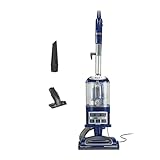

However, if anyone in your home does suffer from respiratory issues, the answer changes to a definitive yes. When you vacuum bare wood with a non-HEPA machine, the exhaust air kicks up the ultra-fine dust sitting on the floor and blows it directly back into your breathing zone. In this scenario, a sealed HEPA vacuum is essential to ensure that what goes into the vacuum actually stays inside.
What You Actually Get
To understand why you might want to spend extra on a HEPA vacuum for bare wood, it helps to look at how these machines handle microscopic particles. A True HEPA (High-Efficiency Particulate Air) filter is rated to trap 99.97% of particles as tiny as 0.3 microns. To put that in perspective, a single human hair is about 70 microns wide, while dust mite debris, mold spores, and pet dander measure between 0.5 and 10 microns.
On hardwood floors, dust behaves differently than it does on carpet. Static electricity causes micro-dust and pet dander to cling tightly to the wood finish and settle into the V-grooves between floorboards. When a standard vacuum passes over these grooves, its exhaust stream often blows these lightweight particles into the air before the floor nozzle can even suction them up.
When you invest in a HEPA vacuum, you are paying for two distinct engineering upgrades:
- A Certified Filter: The physical HEPA media is dense, woven glass fibers that catch microscopic allergens that pass straight through standard foam or felt filters.
- A Sealed System: This is the most critical and often overlooked part. A vacuum can have a HEPA filter, but if the plastic housing around the motor isn’t completely sealed with rubber gaskets, dirty air will bypass the filter entirely and leak out of the sides of the machine.
You do not have to spend a fortune to get this level of protection. For instance, the Shark Navigator Lift-Away (NV360), priced at around $159.99, features a fully sealed system with a HEPA filter. It is a heavier upright option, weighing roughly 12.5 pounds, with a powerful 1200-watt motor that pulls heavy debris from deep floorboard cracks.
If you prefer something lighter for quick daily sweeps on wood, the Bissell PowerClean FurFinder (4282K) is a corded stick vacuum priced at approximately $149.99. It weighs under 8 pounds, making it highly maneuverable, and uses a specialized HEPA filtration system to target electrostatic pet hair without the bulk of a traditional upright.
Pros
- Zero Allergen Blowback: Because the exhaust air is purified before it leaves the machine, you won’t experience that “dusty vacuum smell” or a sneezing fit while cleaning your living room.
- Deep Crevice Cleaning: High-quality HEPA vacuums typically feature superior suction seals at the floor head, which helps pull fine dust out of the joints and gaps of engineered or solid hardwood floors.
- Acts as a Supplemental Air Purifier: As you run a sealed HEPA vacuum across your hardwood floors, it actively cleans the ambient air in the room by cycling it through the medical-grade filter.
- Superior Pet Hair Management: Static-charged pet dander is notorious for sticking to wood finishes. HEPA vacuums trap these microscopic proteins so they do not settle back onto your furniture.
Cons
- Higher Ongoing Costs: HEPA filters are not always washable. You will need to replace them every 6 to 12 months, which typically costs between $15 and $40 per filter.
- Potential Loss of Suction: Because the filter material is so dense, it restricts airflow as it loads up with dust. If you do not maintain and replace the filters on schedule, the vacuum’s cleaning performance on bare floors will drop.
- Weight and Bulk: To push air through a dense HEPA filter, vacuums often require larger, heavier motors and robust, sealed plastic casings, making them heavier to carry up and down stairs.
- Overkill for Basic Cleaning: If your primary goal is simply picking up spilled cereal, kitty litter, or large dust bunnies, a premium HEPA system offers no mechanical advantage over a basic utility vacuum.
Who Should Buy It
You should absolutely invest in a HEPA vacuum for your hardwood floors if you fall into any of the following categories:
- Allergy and Asthma Sufferers: If dusty environments trigger sneezing, coughing, or itchy eyes, a sealed HEPA system is non-negotiable.
- Pet Owners: Pet dander is incredibly light and airborne. Standard vacuums simply redistribute it across your bare floors and furniture.
- Homes with Old or Reclaimed Wood Floors: Older homes often have wide gaps between floorboards where dust collects over decades. A strong HEPA vacuum is the only way to safely extract and trap this deeply buried dust.
- Health-Conscious Households: As we look at home care standards in 2026, indoor air quality has shifted from a luxury consideration to a baseline health standard. If you want to keep PM2.5 (fine particulate matter) levels in your home as low as possible, a HEPA vacuum is a foundational tool.
Who Should Skip It
You can safely save your money and skip the HEPA upgrade if:
- You Have a Strict Budget: If you cannot spend more than $80 on a vacuum, a cheap “HEPA-type” filter is often a marketing gimmick that lacks a sealed system. You are better off buying a high-quality standard vacuum with a washable foam filter.
- You Use a Damp Mop Regularly: If your cleaning routine involves a quick sweep followed by a damp microfiber mop, the mop will physically trap and lock away the fine dust that a standard vacuum might miss, making a HEPA filter redundant.
- You Have No Respiratory Sensitivities: If your household is blessed with ironclad sinuses, a standard, well-sealed multi-cyclone vacuum will clean your floors just as visually spotlessly as a HEPA model.
Cheaper Alternatives
If you decide that a dedicated HEPA vacuum is not the right fit for your budget or lifestyle, there are several cost-effective ways to keep your hardwood floors pristine without sacrificing your indoor air quality.
| Option | Cost Range | Trade-off |
|---|---|---|
| Standard Washable Foam Filter Vacuum | $60 – $100 | Will suction up large debris perfectly, but lets fine micro-dust (under 10 microns) escape back into the room through the exhaust. |
| Microfiber Spray Mop | $20 – $40 | Excellent at trapping electrostatic dust and dander without kicking it into the air, but requires manual labor and cannot pick up larger crumbs or debris. |
| Electrostatic Dry Sweeper | $15 – $30 | Quick and lightweight for daily dust trapping, but creates ongoing waste with disposable pads and cannot clean deep wood crevices. |
FAQ
Will a regular vacuum scratch my hardwood floors if it does not have HEPA?
No, filtration has nothing to do with floor scratching. Scratching is caused by the design of the vacuum’s floor nozzle and wheels. To protect your hardwood, look for a vacuum with a brush-roll on/off switch, rubber-coated wheels, or a specialized soft-roller head, regardless of whether the machine has a HEPA filter.
How often do I need to replace the HEPA filter on a hardwood vacuum?
For optimal performance, non-washable HEPA filters should be replaced every 6 to 12 months, depending on how often you clean and whether you have pets. If the vacuum has a washable pre-filter, wash it monthly and let it dry completely for 24 hours before reuse to prevent mold growth inside the sealed chamber.
Can I just put a HEPA filter into my current non-HEPA vacuum?
Generally, no. A vacuum must be engineered from the ground up to support HEPA filtration. If you drop a HEPA filter into a standard vacuum, the dense material will restrict airflow, causing the motor to overheat. Additionally, because the vacuum’s body is not sealed with airtight gaskets, the air will simply escape through the easiest cracks, bypassing the filter entirely.
What is the difference between “True HEPA” and “HEPA-Type” filters?
“True HEPA” is a certified standard requiring the filter to capture 99.97% of particles down to 0.3 microns. “HEPA-type,” “HEPA-like,” or “99% filtration” are marketing terms used for lower-grade filters that only capture 85% to 90% of particles and often let the most irritating allergens pass right through back into your room.