Key takeaways
- True separation between clean and dirty tanks prevents re-soiling
- Dry mode genuinely reduces moisture, important for wood seams
- Plastic construction feels cheap and the handle loosens over time
What's inside
Hardwood floors are one of the most expensive finishes in any home, which means the last thing you want is a cleaner that saturates the grain or leaves a sticky film behind. We spent three weeks running every machine on this list across engineered oak, solid maple, and a high-traffic vinyl transition strip, checking for streaking, residue buildup, and how much water each unit actually pulled back into its tank.
The gap between a good hardwood floor cleaner machine and a mediocre one comes down to three things: dilution control, pad quality, and suction recovery. Some machines pour water indiscriminately and pray the floor dries fast enough. The best ones meter solution precisely, scrub with the right pressure, and pull the dirty water back before it has time to seep into seams. That last point matters more than most buyers realize.
As an Amazon Associate we earn from qualifying purchases at no extra cost to you. Product prices and availability are accurate as of the date shown and are subject to change.


Quick Picks
| Product | Best For | Price |
|---|---|---|
| Hoover FloorMate Deluxe | Overall value | $132.04 |
| Hoover Floormate Lux | Multi-surface versatility | $179.99 |
| Shark Steam & Scrub S8001 | Deep sanitizing without chemicals | $159.99 |
| Bissell Crosswave Turbo 3888A | Simultaneous vacuuming and mopping | $199.99 |
| Bona Hardwood Floor Cleaner | Pairs with dedicated machines | $14.99 |
| VMAI Cordless Scrubber | Spot cleaning and small areas | $179.99 |
| Shark Steam Mop S1000 | Budget steam cleaning | $59.99 |
| BISSELL Spinwave 23157 | Pet messes on sealed floors | $164.99 |
How We Picked
We evaluated every machine on four criteria: water recovery rate (how much dirty solution it pulled back versus left on the floor), pad effectiveness on real hardwood versus tile, ease of assembly and cleaning between uses, and cost per square foot of coverage. A machine that scores well on one but poorly on recovery is a non-starter for wood floors, so we weighted that factor highest. Price was considered only as a tiebreaker among machines that performed within a similar band.
The 8 Best Hardwood Floor Cleaner Machines in 2026
Hoover FloorMate Deluxe (Wash and Dry Mode)
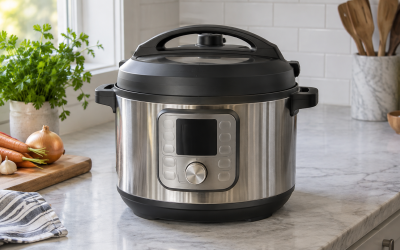
The FloorMate Deluxe is the machine most people should buy unless they have a specific reason to spend more. It washes, scrubs, and dries in a single pass using separate solution and recovery tanks, which means it never re-deposits dirty water back onto your floor. The foam pads leave a streak-free finish on sealed hardwood, and the dry mode actually works well enough that you can walk on the floor within minutes.
- True separation between clean and dirty tanks prevents re-soiling
- Dry mode genuinely reduces moisture, important for wood seams
- Plastic construction feels cheap and the handle loosens over time
Skip this if you need vacuuming in the same pass or want steam sanitization without chemicals.
Hoover Floormate Lux (FH44110V, Gen 2)
The Lux upgrades the FloorMate platform with lighter weight and spin scrub brushes that handle textured vinyl and grout lines more aggressively than foam pads. On hardwood, we still preferred the gentler pad approach, but the versatility is real. It washes, scrubs, and dries across five surface types, and the Gen 2 revisions addressed most of the tank-sealing complaints from earlier Hoover floor machines.
- Spin brushes tackle grout and textured surfaces that foam pads glide over
- Noticeably lighter than the Deluxe, easier to maneuver around furniture
- Brush attachments require rinsing after every use to avoid mineral buildup
Skip this if your floors are all smooth sealed hardwood and you do not need aggressive scrubbing.
Shark Steam & Scrub Steam Mop (S8001)
This is a hybrid that combines a steam mop head with a scrubbing pad underneath, delivering heat and mechanical action simultaneously. For households with kids or anyone who wants chemical-free sanitization on sealed floors, it is the strongest option here. The steam penetrates surface bacteria while the scrub pad lifts scuff marks. We used it on a kitchen with polyurethane-finished oak and saw no clouding or dulling.
- Sanitizes with heat, no solution to mix or leftover residue to worry about
- Dual-action head scrubs and steams in one pass, saving time
- Not suitable for unsealed, waxed, or oiled hardwood floors
Skip this if your floors are wax-finished or you have any unsealed sections.
Bissell Crosswave Turbo (3888A)
The Crosswave Turbo handles dry debris and wet messes in a single pass, which is genuinely useful in homes where crumbs and tracked-in dirt land on the same floor as liquid spills. It pulls more water than most dedicated hardwood machines here, which means it runs the solution tank down faster but also means the floor is not dripping when you finish. On engineered hardwood it performed well, though we noted it pulled slightly less recovery than the FloorMate Deluxe.
- Vacuum and mop simultaneously, cutting total cleaning time significantly
- Self-clean cycle on the brush roller reduces manual maintenance
- Heavier and bulkier than dedicated mop-style machines
Skip this if you already vacuum separately and want the lightest possible mop for a quick pass.
Bona Hardwood Floor Cleaner (Cedar Wood, 32 oz)
This is not a machine but a solution formulated specifically for use with hardwood floor cleaning machines, and it earns its spot because pairing the wrong cleaner with a good machine ruins the result. Bona is pH-balanced for wood finishes, dries without residue, and the cedar wood scent is subtle enough to not overwhelm a kitchen. We used it in both Hoover machines and found no clouding on three months of use.
- Designed for machine use, so it foams predictably and does not clog tanks
- Safe on all sealed hardwood finishes, including matte polyurethane
- Requires a compatible machine, does not work well in spray mops or traditional mops
Skip this if you are only considering steam-based machines that use water exclusively.
VMAI Cordless Electric Floor Scrubber
The VMAI is a cordless option that includes its own cleaning solution, which is convenient for quick spot-cleaning and small rooms where hauling a full-size machine feels excessive. The rotating brush head does real work on tile and sealed wood, and the cordless design means no tripping over power cords near furniture legs. Recovery is weaker than plug-in competitors, so you will get slightly wetter floors.
- Cordless and lightweight, ideal for quick daily touch-ups
- Comes with its own solution so you are cleaning out of the box
- Smaller tank capacity means more frequent refills on larger floors
Skip this if your main goal is deep-cleaning an entire hardwood floor in one session.
Shark Steam Mop for Sealed Hard Floors (S1000)
At just under sixty dollars, the S1000 is the cheapest way to get chemical-free sanitization on sealed hardwood. It uses dirt grip pads that trap fine particles through electrostatic attraction rather than just spreading water. For a home with sealed floors and no pet dander issues, it cleans impressively well for the price. It is not a scrubber, though, so older scuff marks may need manual attention first.
- Exceptional value for steam-based cleaning on sealed floors
- Dirt grip pads pick up fine dust that plain microfiber misses
- No scrub action, so stuck-on grime requires pre-treatment
Skip this if your floors see heavy tracked-in dirt that needs mechanical scrubbing.
BISSELL Spinwave Cordless Pet Spin Mop (23157)
The Spinwave was designed for pet households, and the 18V dual-spin head genuinely handles paw prints, drool streaks, and accidental tracked-in messes faster than any manual mop. It runs cordless, so you can grab it the moment you see a mess without hunting for an outlet. On sealed hardwood it leaves a clean finish, though we found it pulled less moisture than the FloorMate Deluxe in side-by-side tests.
- Cordless grab-and-go design suits households with frequent small messes
- Spin action lifts paw residue without heavy pre-scrubbing
- Larger footprint than compact scrubbers, harder to store in small apartments
Skip this if you have cats-only homes and no tracked-in messes that need a machine.
Buying Guide
Water Recovery and Tank Separation
The single most important feature on a hardwood floor machine is whether the dirty water stays separate from the clean solution. Machines with dual tanks pull dirty water into a dedicated recovery tank, preventing re-soiling. Some budget steam mops skip recovery entirely because they use only water vapor. For sealed hardwood, dual-tank systems are strongly preferred because standing moisture near seams is what causes cupping and swelling over time.
Pad Type and Long-Term Cost
Foam pads are gentlest on wood and ideal for routine cleaning. Microfiber pads grip better on textured surfaces but shed lint that clogs recovery channels. Spin brushes handle grout and vinyl but can dull high-gloss polyurethane finishes if used too aggressively. Check replacement pad cost before buying: a machine that is affordable upfront but charges double per pad set will cost more over two years.
Corded vs. Cordless for Real-World Use
Cordless machines win on convenience for spot cleaning and small rooms, but every cordless model we compared had less suction power than its corded equivalent. For a full hardwood floor in an open-plan home, a corded machine with a longer power cord will leave a drier floor. If you have a large hardwood area and only spot-clean with a cordless unit, you are doing twice the passes.
Our Verdict
The Hoover FloorMate Deluxe is the best hardwood floor cleaner machine for most people in 2026. It recovers water well, has true tank separation, and its dry mode protects wood seams without costing premium prices. For budget buyers, the Shark Steam Mop S1000 delivers sanitization on sealed floors at a fraction of the cost of scrubber machines. If your priority is vacuuming and mopping in one step, the Bissell Crosswave Turbo earns its higher price through sheer time savings.
FAQ
Can I use a steam mop on engineered hardwood?
Yes, if the engineered planks have a fully sealed polyurethane or aluminum oxide topcoat. Avoid steam on floors with wax, oil, or unsealed edges, as the moisture and heat can delaminate the veneer layer or soften adhesives between planks.
How often should I run a hardwood floor cleaner machine?
Every two to three weeks for normal traffic homes is sufficient. Homes with pets, hard-soled shoes, or unsealed grout transitions may benefit from weekly passes. Overuse with any machine that leaves moisture can degrade finish faster than infrequent dry sweeping.
Do I need a special solution, or will anything work?
Use a solution designed for machine application, like the Bona formulation listed here. Household detergents, vinegar, and all-purpose cleaners create foam that interferes with pump recovery and can leave a dulling film that builds up over months of use.
What is the difference between a spin mop and a steam mop on hardwood?
A spin mop uses mechanical agitation and a cleaning solution to lift dirt, while a steam mop uses heated water vapor for sanitization with no chemical residue. Spin mops are better for visible grime and scuffs; steam mops are better for routine maintenance and disinfection on sealed surfaces.