
Key takeaways
- Check the floor, not the ceiling: A beginner needs a low starting resistance far more than a high maximum. A unit that begins at 22 lb is more useful than one that reaches 440 lb but starts at 60.
- Small increments keep you progressing: Jumping from 30 to 60 lb is a wall. Look for fine adjustment — a twist collar or removable springs — so you can add a little at a time and keep sets in the ten-to-fifteen rep range.
- Prefer tools that show you the movement: An included poster or chart sounds like packaging filler but genuinely helps a beginner use more than one grip position and avoid the same three reps forever.
- Build the base before the burn: Spend the first month on controlled tempo — three seconds out, pause, three seconds back. Chasing a burning finish before you can hold form just teaches sloppy reps.
- Plan the second purchase now: An expander plus, later, a bench and dumbbells is a coherent two-year path. Buying a bench first with nothing to load it with is the most common beginner ordering mistake.
What's inside
If you cannot yet do ten clean push-ups, most chest advice is written for somebody else. Bench press programming assumes a rack. Dumbbell flye tutorials assume you already own dumbbells heavy enough to matter. The genuinely useful starting point is equipment where the resistance starts light, adjusts in small steps, and keeps your joints on a path you cannot easily wreck while you are still learning what a chest contraction feels like.
That is where adjustable chest expanders earn their place. A hydraulic unit that starts near 22 pounds gives a beginner an honest working load; a spring twister starting around 30 pounds does the same for high-rep work. Add a bench for pressing once you own weights, and an ab wheel for the day your core catches up, and you have a progression path that runs for a couple of years. Here is how the six options below fit into that sequence.
As an Amazon Associate we earn from qualifying purchases at no extra cost to you. Product prices and availability are accurate as of the date shown and are subject to change.


Quick Comparison
| Product | Best For | Standout Feature | Watch Out For |
|---|---|---|---|
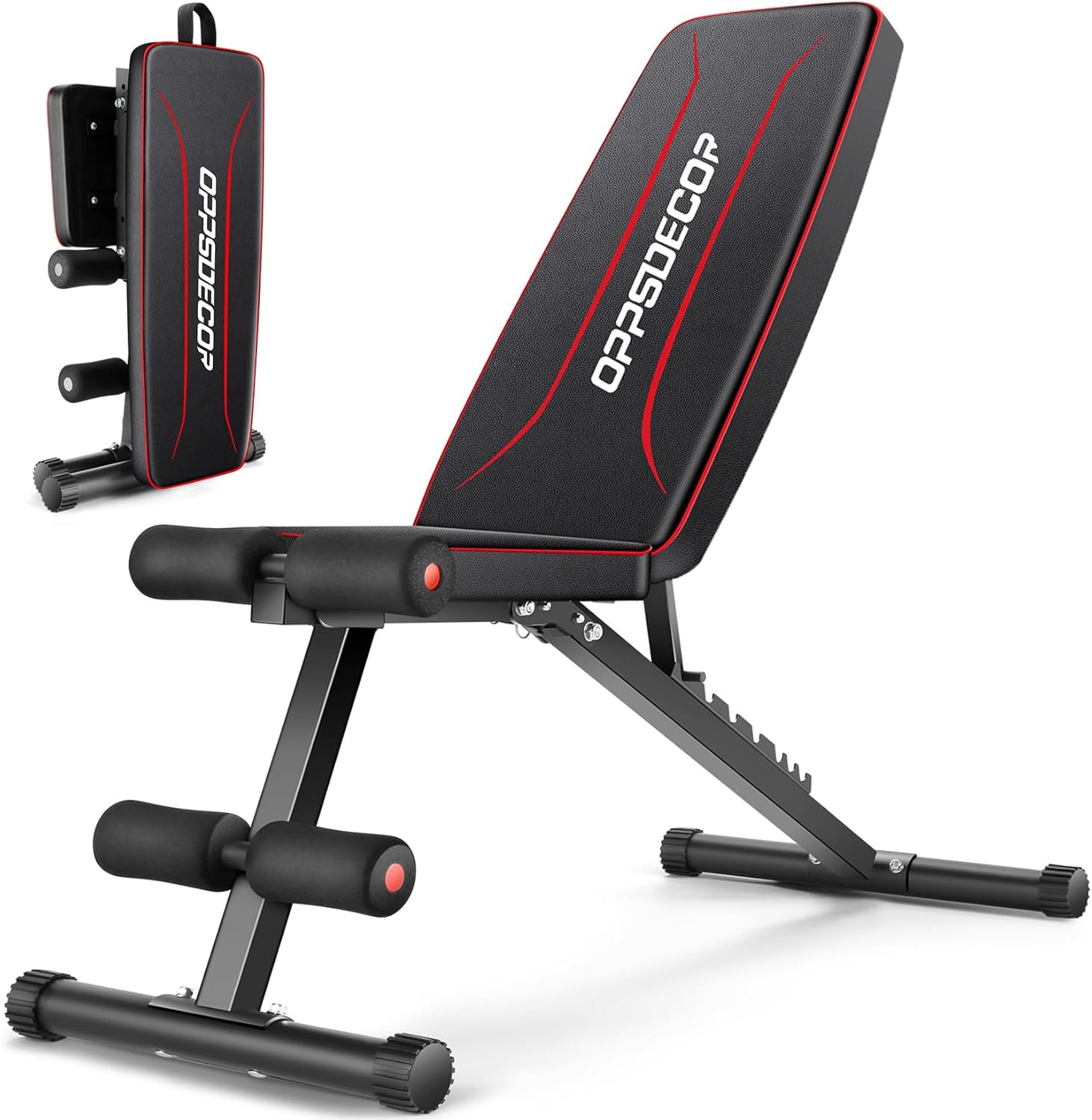
| NICEPEOPLE Weight Bench | Step two of the plan | 8 angles, 660 lb capacity | Requires dumbbells |
| Exercise Ab Roller Wheel | Later-stage core work | Wide, stable wheel | Too hard for week one |
| 4-Spring Twister Arm Trainer | Very first purchase | Removable springs from 30 lb | Uneven resistance curve |
| 3-in-1 Hydraulic Twister | Complete beginner kit | Three tools in one box | Accessories are entry level |
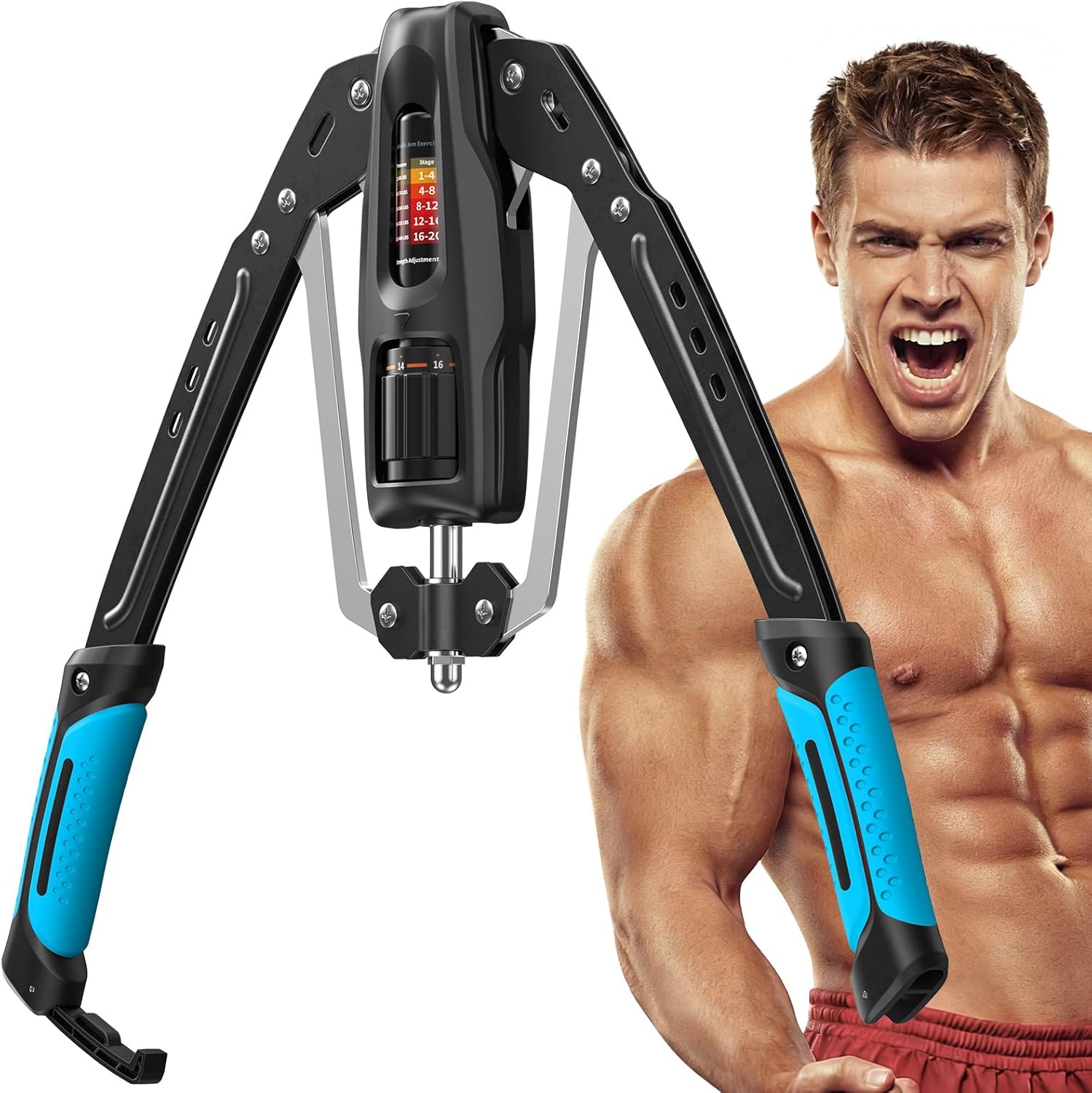
| Abahub Twister Arm Exerciser | Room to progress | 22 lb starting resistance | Range far exceeds beginner needs |
| Merach Twister Arm Trainer | Learning controlled reps | Even, predictable resistance | No form guidance included |
How to Choose
- Check the floor, not the ceiling: A beginner needs a low starting resistance far more than a high maximum. A unit that begins at 22 lb is more useful than one that reaches 440 lb but starts at 60.
- Small increments keep you progressing: Jumping from 30 to 60 lb is a wall. Look for fine adjustment — a twist collar or removable springs — so you can add a little at a time and keep sets in the ten-to-fifteen rep range.
- Prefer tools that show you the movement: An included poster or chart sounds like packaging filler but genuinely helps a beginner use more than one grip position and avoid the same three reps forever.
- Build the base before the burn: Spend the first month on controlled tempo — three seconds out, pause, three seconds back. Chasing a burning finish before you can hold form just teaches sloppy reps.
- Plan the second purchase now: An expander plus, later, a bench and dumbbells is a coherent two-year path. Buying a bench first with nothing to load it with is the most common beginner ordering mistake.
Top Picks Reviewed
Best Starting Point: Merach Twister Arm Trainer
The hydraulic action is even from start to finish, which is exactly what a beginner needs to learn what a controlled press feels like. Set it light, take three seconds in each direction, and you will feel the chest working rather than just the hands straining.
Nothing in the box teaches you the movement patterns, so you will need to look up grip variations. That is a small ask, but it is a gap for someone who has never trained.
Best Room to Grow: Abahub Twister Arm Exerciser
Starting near 22 lb and reaching 440, this is one purchase that stays relevant from your first month to your third year. Adjustment is fast enough to drop the resistance mid-session when your form starts to slip, which beginners should do more often.
Most of that range is theoretical for a new trainee. Do not be seduced by the top number — you will live in the bottom quarter of it for a long time, and that is fine.
Best Cheap Entry: 4-Spring Twister Arm Trainer
Removable springs mean you can start at the lightest configuration and add one at a time, giving a clear, cheap progression from around 30 lb upward. The included poster is genuinely useful for a first-timer working out what to do.
The resistance curve is the weakness: light at the start, abrupt at the end. That makes it better for finishing sets than for the slow controlled work a beginner should prioritise.
Best All-in-One Kit: 3-in-1 Hydraulic Twister
For someone with no equipment at all, getting a hydraulic expander, ab wheels, and door hooks together removes the decision paralysis of assembling a starter kit from scratch. Three movement patterns for one purchase is a sensible beginning.
Each component is entry-level rather than best-in-class. The wheels roll less smoothly than a dedicated wheel and the hooks suit light band work only.
Best Second Purchase: NICEPEOPLE Weight Bench
Once you can press consistently and own a pair of dumbbells, this bench opens the door to real loaded work. Eight backrest positions cover flat, low incline, and steep incline, and the 660 lb rating means it will never be your limiting factor.
Bought too early it just takes up space. Wait until you have weights and a habit before adding it.
Best Progression Target: Exercise Ab Roller Wheel
A wheel is a legitimate goal to work toward rather than a day-one tool. It loads the chest, lats, and serratus hard in the extended position, and being able to roll out from the knees with control is a genuine milestone.
Attempting full standing rollouts too early is how people hurt their lower back. Half-range knee rollouts for several weeks first, without exception.
Frequently Asked Questions
I can only do a few push-ups. Where do I start?
Set a hydraulic expander to its lightest setting and do three sets of twelve slow reps, three times a week, alongside push-ups done against a wall or a countertop. Both get easier within a fortnight.
How do I know if the resistance is right?
You should finish a set of twelve with two or three reps still available and no change in form on the last one. If rep ten looks different from rep two, the setting is too high.
How long before I see a difference?
Strength changes are noticeable in three to four weeks; visible change takes longer and depends heavily on diet. Consistency across two or three sessions a week matters more than what you buy.
Do I need to train chest more than twice a week?
Not at the start. Two quality sessions with 48 hours between them drives progress and leaves time to recover. Daily squeezing on a twister mostly irritates elbows.
Final Thoughts
Start with the Merach Twister Arm Trainer for its controlled, predictable resistance, or the Abahub Twister Arm Exerciser if you want one tool that will still challenge you years from now. Add the NICEPEOPLE Weight Bench as the second step once you own dumbbells and the habit has stuck — that sequence wastes the least money and builds the most.
Write Your Review
No reviews yet. Be the first to share your experience!