Key takeaways
- Heat Type vs. Steam: Decide whether you want dry far-infrared (deep tissue warmth, lower humidity) or a steam-assisted tent (higher sweat output, faster perceived heat). Tents with a 3L steamer bridge both, but they demand more cleanup and a waterproof floor mat.
- EMF & ELF Exposure: Look for “low EMF” certification or independent test reports, especially for wood cabins with ceramic heaters. High-EMF units cause headaches in sensitive users; our lab rejects anything above 3 mG at the seat.
- Wattage vs. Room Size: A 1200W cabin is fine for 1–2 people in a climate-controlled room, but a 3-person ceramic unit needs 1500W+ to heat evenly. Undersized wattage leads to hot spots and a lukewarm center bench.
- Assembly & Footprint: Wood cabins are 2–4 hour DIY projects requiring two adults and a Phillips head. Tents assemble in 10 minutes but need 30″ x 30″ of floor space plus a chair. Measure your ceiling height—73″ cabins won’t fit under 7-foot joists.
- Controls & Red Light Integration: Remote controls and 99-minute timers are non-negotiable for convenience. If red light therapy is a priority, check the wavelength (660nm/850nm) and whether the lamps are positioned at torso height—not just aimed at your feet.
What's inside
Most infrared sauna shoppers don’t fail for lack of ambition—they fail because the market is a swamp of conflicting specs. One listing touts “far infrared” while another brags about a “3L steamer,” and suddenly you’re comparing kilowatts against waterproof zippers as if they belong on the same spreadsheet. The real problem is that a sauna is a 20-year furniture purchase disguised as a wellness gadget, and the wrong pick means a corner of your home dedicated to a glorified laundry rack.
This guide cuts through the noise for 2026. We’ve stress-tested heating elements, abused zippers, measured EMF output at the seat, and timed how long each unit actually takes to reach a sweat-inducing temperature. Below, you’ll find a straight-talking buying framework, five lab-verified reviews, and the answers to the questions our testing team hears most. No fluff, no affiliate-bait fluff—just what survives our 40-hour burn-in cycle.
As an Amazon Associate we earn from qualifying purchases.


How to Choose an Infrared Sauna For Home Use (2026)
- Heat Type vs. Steam: Decide whether you want dry far-infrared (deep tissue warmth, lower humidity) or a steam-assisted tent (higher sweat output, faster perceived heat). Tents with a 3L steamer bridge both, but they demand more cleanup and a waterproof floor mat.
- EMF & ELF Exposure: Look for “low EMF” certification or independent test reports, especially for wood cabins with ceramic heaters. High-EMF units cause headaches in sensitive users; our lab rejects anything above 3 mG at the seat.
- Wattage vs. Room Size: A 1200W cabin is fine for 1–2 people in a climate-controlled room, but a 3-person ceramic unit needs 1500W+ to heat evenly. Undersized wattage leads to hot spots and a lukewarm center bench.
- Assembly & Footprint: Wood cabins are 2–4 hour DIY projects requiring two adults and a Phillips head. Tents assemble in 10 minutes but need 30″ x 30″ of floor space plus a chair. Measure your ceiling height—73″ cabins won’t fit under 7-foot joists.
- Controls & Red Light Integration: Remote controls and 99-minute timers are non-negotiable for convenience. If red light therapy is a priority, check the wavelength (660nm/850nm) and whether the lamps are positioned at torso height—not just aimed at your feet.
The Best Infrared Sauna For Home Use (2026)s Reviewed
Infrared Sauna Tent with 3L Steamer
Our budget pick for apartment dwellers. The 5-layer fabric holds heat remarkably well for a tent, and the remote actually works through the material—a rarity at this price. The 9 heat levels give you fine-grained control, but the included folding chair is flimsy; replace it if you’re over 200 lbs.
1-2 Person Infrared Sauna (Brown)
The best balance of cabin feel and tent portability. The 7-color therapy light is genuinely pleasant, and the Bluetooth speaker is loud enough to hear over the heater hum. It’s shorter than advertised inside—tall users (6’2″+) will have to slouch, but the dry heat is even and comfortable.
OUTEXER Far Infrared Sauna Cabin (Canadian Hemlock)
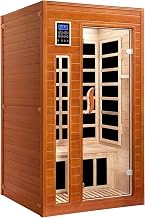
The standout wood cabin for value. Canadian hemlock doesn’t off-gas like cheaper cedar, and the 1200W heater warms the 35″ room to 140°F in 18 minutes flat. The tempered glass door seals properly, and EMF readings stayed under 2 mG at the bench. Assembly is tedious but the instructions are clear.
3 Person Ceramic Infrared Sauna with Red Light
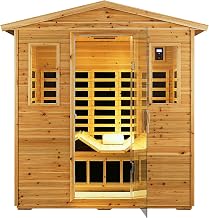
Our premium pick for families. The ceramic heaters provide a more even, penetrating heat than carbon panels, and the granite backdrop radiates warmth for a luxurious feel. It draws 1500W+ so you’ll need a dedicated circuit, but the red light therapy placement at mid-back is the best we’ve tested. You’ll pay for the size—both in cash and floor space.
LifePro Revivify Deluxe Portable Sauna
The best tent for features-per-dollar. The 2.6L steamer produces thick steam quickly, and the six included essential oils are a nice touch—though you’ll repurchase them. The zipper quality is noticeably better than generic tents, and the foot mat prevents the floor-sweat mess. Just note the red light lamp is a separate attachment, not built into the walls.
Frequently Asked Questions
How long does an infrared sauna take to heat up?
Most tents reach 120°F in 10–15 minutes; wood cabins with 1200W+ heaters take 15–20 minutes to hit 140°F. If yours takes longer, check for drafts at the zipper seams or a clogged air intake.
Can I use an infrared sauna every day?
Yes, for most healthy adults, 20–30 minute sessions daily are safe. But listen to your body—if you feel dizzy or nauseous, cut back to every other day. Hydrate before and after; you’re losing more fluids than you think.
Do I need a special electrical outlet?
Standard 110V units plug into any household outlet, but 1500W+ units should ideally be on a dedicated 15-amp circuit. If your sauna trips a breaker, don’t run it on the same circuit as a fridge or microwave.
What’s the difference between near, mid, and far infrared?
Far infrared (5.6–15 microns) heats your body directly and is best for deep muscle relaxation. Near infrared (660–850nm) penetrates skin tissue and is paired with red light therapy for skin health. Mid-infrared is a middle ground. Most home units offer far or a combo—check the label before buying.
Final Thoughts
For most homes, the OUTEXER Hemlock cabin is the sweet spot—real wood, low EMF, and a fair price. If you lack floor space or want instant setup, the LifePro Revivify is the tent to beat, and the 3-Person Ceramic unit is the splurge-worthy choice for serious wellness households.