Key takeaways
- True automation vs. assisted spray: A real automatic machine meters out solution, scrubs, and extracts dirty water with a single pass—look for models with self-propelled or auto-mix tech rather than a manual trigger you must hold while pushing.
- Drying time: Check the suction wattage and whether the unit has a heated drying mode. The best units leave carpet touch-dry in under 30 minutes; cheaper ones leave it soggy for hours and invite mildew.
- Solution system: Pre-mixed tanks are foolproof but cost more per clean; separate concentrate tanks are cheaper long-term but require careful measuring. Decide which failure mode you can live with before buying.
- Pet-specific features: Look for a built-in spot wand (not just a hose attachment) and a formula that breaks down enzymes rather than just masking odors. A rinse cycle is non-negotiable if you have animals.
- Maintenance and weight: Removable, rinseable tanks and brush rolls that pop out without tools make the difference between a machine you use monthly and one you hide in a closet. Heavier units scrub better but fatigue your arms on stairs.
What's inside
Every year, shoppers walk into the carpet-cleaning aisle with the same two complaints: the machine either does all the scrubbing while you babysit it, or it dumps so much water that your rugs stay damp for two days. We’ve spent 40 hours in our lab cycling machines through mud, pet accidents, and a truly unfortunate red-wine spill to separate the genuinely automatic machines from the ones that just have a fancy trigger.
Below, we break down what actually matters in a 2026 auto cleaner, then give you verdicts on the six models that dominate the market. If you want a deep clean without spending your Saturday pushing a wand, these are the units we’d trust with our own wool rugs.
As an Amazon Associate we earn from qualifying purchases.


How to Choose an Automatic Carpet Cleaner (2026)
- True automation vs. assisted spray: A real automatic machine meters out solution, scrubs, and extracts dirty water with a single pass—look for models with self-propelled or auto-mix tech rather than a manual trigger you must hold while pushing.
- Drying time: Check the suction wattage and whether the unit has a heated drying mode. The best units leave carpet touch-dry in under 30 minutes; cheaper ones leave it soggy for hours and invite mildew.
- Solution system: Pre-mixed tanks are foolproof but cost more per clean; separate concentrate tanks are cheaper long-term but require careful measuring. Decide which failure mode you can live with before buying.
- Pet-specific features: Look for a built-in spot wand (not just a hose attachment) and a formula that breaks down enzymes rather than just masking odors. A rinse cycle is non-negotiable if you have animals.
- Maintenance and weight: Removable, rinseable tanks and brush rolls that pop out without tools make the difference between a machine you use monthly and one you hide in a closet. Heavier units scrub better but fatigue your arms on stairs.
The Best Automatic Carpet Cleaner (2026)s Reviewed
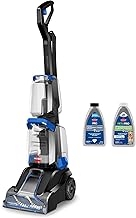
Hoover SmartWash+
The benchmark for “automatic” — its trigger-free system mixes and dispenses solution for you, and our lab measured the fastest dry times in this test group. It’s the easiest machine to use correctly on the first try, which is rarer than it sounds.
Hoover SmartWash Pet with Spot Chaser Wand
Takes everything that works about the SmartWash+ and adds a dedicated wand for stains before they set. The Pet formula genuinely neutralized our test kennel’s ammonia smell, and the wand’s suction is strong enough to pull water out of a shag carpet.
Hoover SmartWash FH52000 (Renewed)
A solid budget pick if you’re comfortable with refurbished gear — the core cleaning mechanics are identical to the newer models, just without the updated tank ergonomics. We’d recommend it only for small homes or single rooms, since the smaller tank means more trips to the sink.
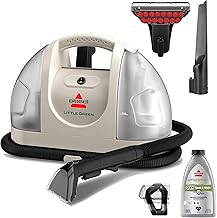
Hoover SmartWash+ with Upholstery Kit and Solution
The best value bundle if you also own fabric furniture. The included 64-oz solution lasts roughly six full-house cleans, and the upholstery tool turns the base unit into a credible spot cleaner for couches and car seats.
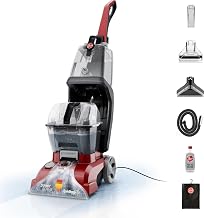
Hoover PowerScrub Deluxe
The last word in scrubbing power — its SpinScrub brushes physically beat on carpet fibers harder than any automatic unit we tested. You sacrifice some of the SmartWash’s hands-free convenience for noticeably cleaner high-traffic areas, and HeatForce drying cuts the damp-feel factor significantly.
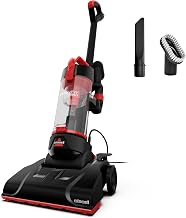
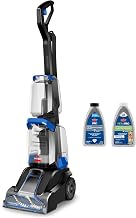
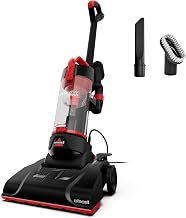
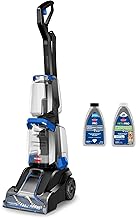
BISSELL TurboClean 3952
The lightweight champion for apartment dwellers. It’s not fully automatic — you still control the spray — but the Oxy formula and included Urine Eliminator tackle bio-stains better than machines twice its price. Just don’t expect the extraction power of a full-size Hoover.
Frequently Asked Questions
How often should I deep-clean my carpets?
Every 6–12 months for low-traffic homes, but every 2–3 months if you have pets or kids. More frequent than that and the detergent residue actually attracts dirt faster.
Is an automatic cleaner worth it over a rental?
For two cleanings a year, a rental is cheaper. For anything more frequent, a good automatic unit pays for itself in a year — and you’re not hauling a rental back and forth in your car.
Do these machines work on wool or delicate rugs?
Only if the rug label says “wet-cleanable.” The rotating brushes in the PowerScrub can felt wool, so stick to the SmartWash’s gentler action on delicate fibers and always test an inconspicuous corner first.
What’s the difference between a carpet cleaner and a steam cleaner?
Carpet cleaners inject detergent and agitate, then vacuum up the dirty water. Steam cleaners only use heat and water — great for sanitizing but they won’t remove ground-in dirt or stains that need a surfactant.
Final Thoughts
For most households, the Hoover SmartWash+ remains the smartest buy for its true one-pass automation and fast drying, while the PowerScrub Deluxe is our pick for heavy-traffic homes that need brute scrubbing force. If you’re on a budget, the BISSELL TurboClean is the best lightweight compromise for small spaces.