Key takeaways
- Vacuum high-traffic areas weekly and rotate the rug every few months to distribute wear and sunlight.
- Keep white towels, a spoon, and a small fan nearby so spills can be handled without improvising.
- Never use chlorine bleach, oxygen bleach, ammonia, or strong alkaline cleaners on wool unless a qualified specialist specifically recommends them.
- Protect the rug from damp floors and wet shoes; use a properly sized pad that allows airflow and reduces sliding.
What's inside
Wool rugs are durable, naturally soil-resistant, and surprisingly forgiving—but they are not good candidates for aggressive scrubbing or soaking. The fibers can felt, the dyes can bleed, and a damp backing may stay wet long enough to encourage mildew or distortion. The safest cleaning method depends on whether you are removing loose grit, treating a small spill, freshening a whole rug, or addressing a washable sheepskin.
This guide approaches rug care like a home-appliance testing lab: start with the least aggressive method, control moisture, and verify compatibility before treating the visible area. You will learn how to vacuum and spot-clean wool, when dry powder is useful, how to handle sheepskin, which gear is worth considering, and when professional cleaning is the better choice.
As an Amazon Associate we earn from qualifying purchases.



1. Check the rug before cleaning
Read the care label first. “Wool” describes the fiber, not the entire construction; the rug may also contain cotton, jute, viscose, latex, or a dye that reacts poorly to water. Note whether it is hand-knotted, tufted, flat-woven, braided, or a genuine sheepskin. Construction affects how much moisture and agitation it can tolerate.
Test any cleaner in an inconspicuous corner or along the edge. Apply a small amount to a white cloth, press it against the rug, and check for transferred color. If the dye moves, stop and call a rug specialist. Also inspect for loose binding, damaged backing, moth activity, or brittle fibers. Cleaning will not repair those problems and may make them more apparent.
2. Remove dry soil first
Most routine “cleaning” is careful soil removal. Grit acts like sandpaper when walked into the pile, so vacuum both sides of a reversible rug if practical. On the face, use suction without a powered beater bar, or set the brush roll to its gentlest setting and follow the manufacturer’s instructions. Make slow passes in both directions, giving edges and high-traffic lanes extra attention.
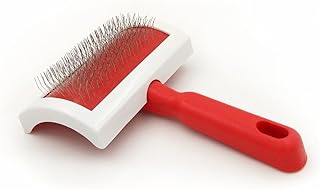
Do not vacuum fringe as though it were pile. It can tangle around a rotating brush and pull away from the rug. Instead, use low suction or a handheld attachment, working from the rug toward the fringe. A soft brush such as the CleanSheep Sheepskin Cleaning Brush for Rugs & Throws or the MetU Sheepskin Rug Brush can lift and separate long fibers, but use light strokes; brushing harder does not remove embedded grit more effectively.
3. Treat spills with controlled moisture
Act quickly, but do not flood the spot. Lift solids with a spoon, then blot liquid from the outside toward the center using clean, white, absorbent towels. Replace the towel as it becomes damp. Rubbing can spread the stain, roughen the wool, and drive the spill deeper into the foundation.
For a washable wool or sheepskin item, choose a wool-specific, pH-neutral wash rather than a general laundry detergent. Outback Gold Wool Wash is an unscented, enzyme-free option formulated for wool, cashmere, silk, and sheepskin. Use only the amount directed on its label. For a spot-cleaning product, Bissell Woolite Advantage Heavy Traffic Carpet Foam 3320 and BISSELL Woolite Advantage Carpet & Upholstery Cleaner 3325 may be considered only when the rug’s care instructions and the product label both permit use on wool. Foam still introduces moisture, so apply sparingly and test first.
After treatment, blot with a barely damp cloth to remove residue if the label calls for rinsing. Speed drying with towels, airflow, and a fan. Keep the rug flat and away from direct, intense sunlight or heat, which can shrink fibers, stiffen the backing, or shift color.
4. Consider low-moisture whole-rug cleaning
Dry-cleaning powders can be useful for light soil and odor when water is discouraged. Capture Carpet & Rug Dry Cleaner Carpet Deodorizer & Freshener Powder is one example. Before using any powder, confirm that the rug manufacturer allows dry compounds and that the product is suitable for wool. Apply a thin, even layer—not a mound—work it in only as directed, allow the stated dwell time, and vacuum thoroughly.
Dry powder is not a universal stain remover. It may leave residue in a dense pile, and fragranced products can be unpleasant for sensitive households. Never combine powders with liquid cleaners, and avoid using them on damp rugs. If repeated vacuuming cannot remove the residue, professional extraction or rug washing may be needed.
5. Know when professional cleaning is safer
Use a professional rug cleaner for large stains, pet urine, persistent odors, dye transfer, water damage, fragile antiques, valuable hand-knotted rugs, or any piece whose care label says “professionally clean.” Ask whether the company cleans wool rugs in a dedicated facility, tests for colorfastness, and dries them completely. In-plant washing often gives the technician better control than attempting to saturate a rug on the floor at home.
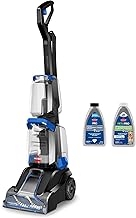
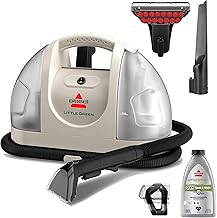
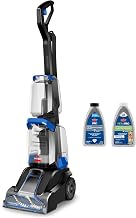
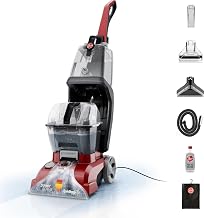
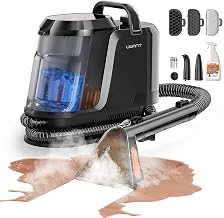
Steam cleaners and carpet extractors are not automatically safe for wool. High heat, strong agitation, excess water, or slow drying can cause shrinkage, browning, felting, or backing damage. If you use a machine despite the label allowing it, choose the lowest appropriate moisture and agitation settings, use a wool-approved solution, and make several dry passes. Stop if the rug begins to ripple or colors appear on the recovery towel.
Tips
- Vacuum high-traffic areas weekly and rotate the rug every few months to distribute wear and sunlight.
- Keep white towels, a spoon, and a small fan nearby so spills can be handled without improvising.
- Never use chlorine bleach, oxygen bleach, ammonia, or strong alkaline cleaners on wool unless a qualified specialist specifically recommends them.
- Protect the rug from damp floors and wet shoes; use a properly sized pad that allows airflow and reduces sliding.
Frequently Asked Questions
Can I clean a wool rug with a carpet shampooer?
Only if the rug maker permits machine cleaning and the appliance solution is explicitly suitable for wool. Many household carpet machines apply more water and agitation than a wool rug can safely tolerate. For an expensive, hand-knotted, antique, or non-colorfast rug, professional cleaning is the lower-risk option.
How do I remove a fresh red-wine spill?
Blot immediately with white towels, working from the outside inward. Do not add salt, scrub, or pour a large amount of water onto the rug. Once the liquid is lifted, use a tested wool-safe spot treatment sparingly, then blot and dry. If color remains, stop before repeated treatment spreads the stain or affects the dye.
Can I use a sheepskin brush on any wool rug?
A soft sheepskin brush can help separate and groom a long, loose pile, but it is not appropriate for every weave. Avoid aggressive brushing on flat-weaves, looped rugs, worn areas, or loose fringe. Test gently in an inconspicuous place and let suction—not force—do most of the cleaning.
How often should a wool rug be professionally cleaned?
There is no fixed schedule. A lightly used rug may need attention every few years, while one in an entryway or home with pets may need it sooner. Clean when vacuuming no longer restores its appearance, odors persist, or soil is visibly embedded. Prompt spot treatment can delay a full cleaning.
Conclusion
The best way to clean a wool rug is controlled and conservative: vacuum gently, blot spills, use only tested wool-safe products, limit moisture, and dry quickly. Brushes such as the CleanSheep or MetU can help with suitable long-pile rugs, while a pH-neutral wash or approved dry powder may solve specific problems. When the rug is valuable, fragile, badly stained, or water-damaged, professional care is usually the most economical way to protect it.