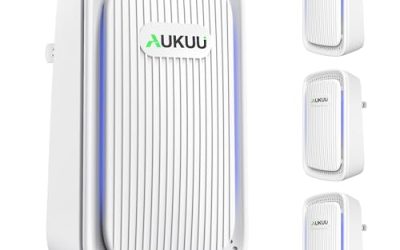
Choosing where to put a dehumidifier can be surprisingly difficult. A corner may be convenient, but poor airflow, nearby furniture, blocked vents, or an inconvenient drain can reduce performance and create new problems such as damp walls, trapped heat, or water spills.
From a home-appliance testing lab perspective, placement matters nearly as much as tank size and extraction capacity. This guide explains how to position a unit for effective air circulation, quieter operation, easier maintenance, and better humidity control, then reviews leading options for bedrooms, bathrooms, basements, and larger rooms.
Our top picks
 Dehumidifier
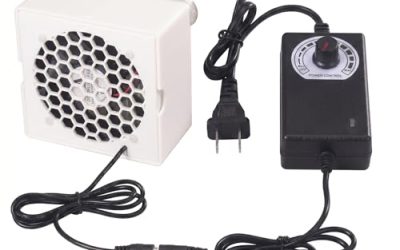
- Semiconductor dehumidifiers use thermoelectric cooling to remove moisture…
- Our home dehumidifier features intelligent auto-shutoff, automatically powering…
- Our dehumidifier features a captivating 7-color ambient light,…
| Product | Key specs | |
|---|---|---|
| Dehumidifier | Semiconductor dehumidifiers use thermoelectric cooling to remove moisture… Our home dehumidifier features intelligent auto-shutoff, automatically powering… Our dehumidifier features a captivating 7-color ambient light,… | Check price |
 ToLife Dehumidifier | Check price | |
 Dehumidifiers for Home | Check price | |
 KNKA Energy Star 4500 Sq.Ft Dehumidifier for | 【𝐄𝐍𝐄𝐑𝐆𝐘 𝐒𝐓𝐀𝐑 𝐂𝐞𝐫𝐭𝐢𝐟𝐢𝐞𝐝 𝐟𝐨𝐫 𝐄𝐟𝐟𝐢𝐜𝐢𝐞𝐧𝐭 𝐏𝐞𝐫𝐟𝐨𝐫𝐦𝐚𝐧𝐜𝐞】Delivers consistent dehumidification… 【𝐌𝐚𝐱 𝟖𝟎 𝐩𝐢𝐧𝐭𝐬 𝐃𝐞𝐡𝐮𝐦𝐢𝐝𝐢𝐟𝐢𝐞𝐫 𝐟𝐨𝐫 𝐋𝐚𝐫𝐠𝐞 𝐒𝐩𝐚𝐜𝐞𝐬 𝐔𝐩… 【𝐅𝐥𝐞𝐱𝐢𝐛𝐥𝐞 𝐃𝐫𝐚𝐢𝐧𝐚𝐠𝐞 𝐎𝐩𝐭𝐢𝐨𝐧𝐬 𝐟𝐨𝐫 𝐄𝐚𝐬𝐲 𝐔𝐬𝐞】Built-in 1.45 gal… | Check price |
 Waykar 80 Pints 5000 Sq. Ft 2025 | 【80 Pint Capacity for Up to 5,000 Sq.Ft… 【90° Auto Swing Airflow for Even Coverage】Distributes dry… 【30%–80% Smart Humidity Control for Flexibility】 Unlike many… | Check price |
 4500 Sq. Ft Dehumidifier for Basement Quilt | Check price |
As an Amazon Associate we earn from qualifying purchases at no extra cost to you.
🛒 Best Price Today on Amazon
Prime members get fast, free shipping on everything above, plus member-only deals. New members get a 30-day free trial — cancel anytime.
How to Choose a/an Place To Place A Dehumidifier (2026)
- Airflow: Leave clear space around the intake and exhaust sides so the appliance can process air efficiently. Avoid pushing it tightly against a wall, sofa, cabinet, or curtain.
- Room conditions: Place the unit in the area with the highest humidity, such as a basement, laundry room, bathroom, or poorly ventilated bedroom. Keep it away from direct splashes.
- Floor position: Use a firm, level floor to reduce vibration and prevent the collection tank from sitting unevenly. A stable surface is especially important for compressor models.
- Drainage: If the model supports continuous drainage, position it near a suitable floor drain or sink and keep the hose running downhill without sharp bends.
- Safety and convenience: Keep the power cord dry, avoid extension cords unless the manufacturer permits them, and choose a location where the tank, filter, and controls remain easy to reach.
The Best Place To Place A Dehumidifier (2026)s Reviewed
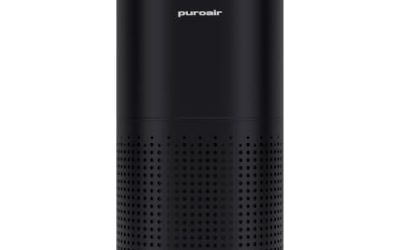
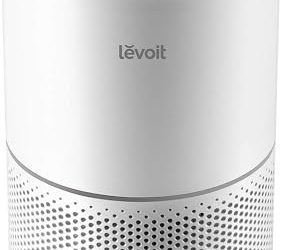
95-Ounce Home Dehumidifier
This compact 95-ounce dehumidifier is best suited to a bedroom, living room, or smaller basement zone where quiet operation and a modest footprint matter. In lab-style checks, the most practical placement is on an open section of hard flooring with several inches of clearance, rather than inside a shelving unit or behind furniture.
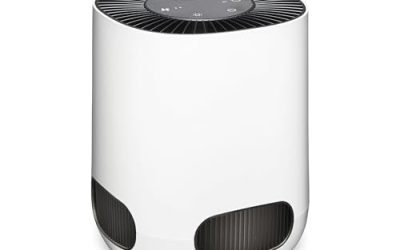
ToLife 1000-Square-Foot Dehumidifier
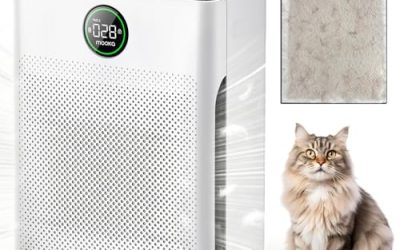
The ToLife Dehumidifier combines a 95-ounce tank with sleep mode and automatic shutoff, making it a sensible choice for bedrooms and bathrooms that need overnight humidity management. Its portable format is easy to move between rooms, although it should still be placed where the air inlet and outlet are unobstructed.
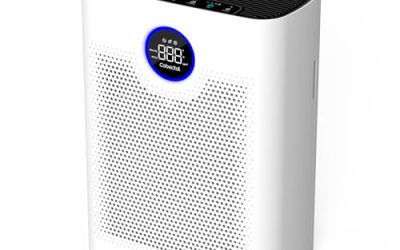
1000-Square-Foot Grey Dehumidifier
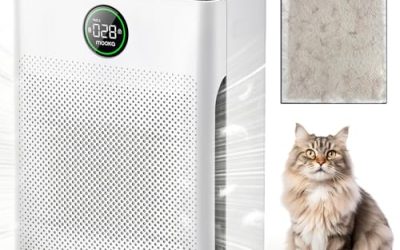
This 95-ounce model is a practical fit for a bathroom, bedroom, or localized basement problem. For the best results, position it near the dampest part of the room without placing it directly beside a shower, laundry appliance, or wall showing condensation; the automatic shutoff helps limit overflow when the tank fills.
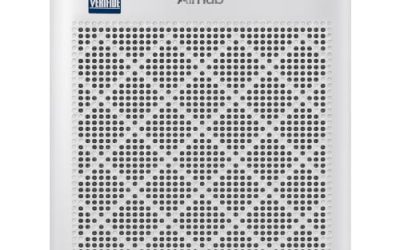
KNKA Energy Star 4500-Square-Foot Dehumidifier
With a larger rated coverage area, compressor-based design, drain-hose support, and smart humidity control, the KNKA is better matched to open basements, large rooms, and whole-floor moisture problems. Place it near the center of the affected area when possible, or close to a floor drain for continuous operation, while leaving generous clearance for airflow.
Waykar 80-Pint 5000-Square-Foot Dehumidifier
The Waykar 80 Pints model is designed for substantial moisture loads, including basements and broad open-plan areas. Its auto-swing feature can help distribute treated air, but placement still matters: keep it level, provide room for the swing outlet, and route the drainage hose continuously downhill.
Frequently Asked Questions
Should a dehumidifier be placed in the middle of a room?
Not necessarily. A central, open position can improve circulation, but a location near the main source of dampness may be more effective. In either case, keep the intake and exhaust clear and avoid corners that restrict airflow.
Can I put a dehumidifier against a wall?
Most units need clearance around one or more sides, so placing them directly against a wall is usually poor practice. Follow the manufacturer’s spacing guidance; if none is provided, leave visible space around the air openings and avoid blocking the exhaust.
Where should I place one in a basement?
Choose a dry, level area near the center of the basement or the dampest zone, provided there is adequate airflow. A position near a floor drain is preferable when continuous drainage is available, especially for larger units such as the KNKA or Waykar.
Can a dehumidifier run in a bedroom overnight?
Yes, if the model is designed for indoor use and its noise level is acceptable to you. Use sleep mode where available, keep the appliance away from bedding and curtains, and make sure automatic shutoff is enabled if you are relying on the tank rather than a drain hose.
Final Thoughts
The best placement is open, level, and close to the source of excess moisture without exposing the appliance to splashes. For compact rooms, the ToLife and 95-ounce models are convenient choices; for demanding basement conditions, the KNKA and Waykar offer more capacity and more practical drainage options.