
Key takeaways
- Measure vertical space first, then horizontal. Reach overhead with a broomstick and add 8 inches. Under 8 ft of clearance, prioritize a bench, landmine attachment, and rowing rather than a tall rack and overhead pressing.
- Match flooring to your heaviest drop, not your average lift. Bodyweight and light dumbbells are fine on 8–10 mm rubber. Anything over 100 lb leaving your hands needs ¾-inch rubber, ideally over plywood, and ideally on a slab rather than a joisted upper floor.
- Count the adjustment seconds. A dumbbell that takes 15 seconds per side to change will quietly kill your drop sets. Dial and pin systems beat spin collars for anyone training alone against the clock.
- Buy for the weight you’ll lift in two years. A 50 lb-per-hand ceiling feels generous in month one and limiting by month eight on rows and split squats. Check that the system expands rather than caps out.
- Verify the exit plan. Anything that can’t fold, roll, or stand on end will eventually become furniture. Confirm folded dimensions and whether the unit moves on casters before it arrives in three heavy boxes.
What's inside
The tape measure matters more than the shopping cart. Before spending anything, I marked out a 9 ft × 11 ft spare bedroom with painter’s tape: a 7 ft × 7 ft square for movement, a 24-inch strip along one wall for storage, and a corner reserved for a bench that could tip up on its end. Ceiling clearance came in at 7 ft 10 inches, which quietly settled several decisions — standing overhead presses with a barbell were out, seated presses and landmine work were in. That single number saved me from buying a rack I’d have had to sell three weeks later.
Flooring came before equipment, too. Bare hardwood telegraphs every dumbbell touchdown into the room below, and thin foam puzzle mats compress into permanent divots under a loaded bench. The setup that has held up: two 4 ft × 6 ft, ¾-inch rubber stall mats laid seam-to-seam under the working zone, with 8 mm interlocking rubber tiles filling the perimeter where only bodyweight and shoes land. Total cost stayed under a few hundred dollars, the subfloor stayed dry, and the sound of a 50 lb dumbbell being set down dropped from a thud you feel to a dull knock. With the floor and the footprint fixed, six pieces cover strength, conditioning, and progression for years.
As an Amazon Associate we earn from qualifying purchases at no extra cost to you. Product prices and availability are accurate as of the date shown and are subject to change.

#1 Pick

#2 Pick

#3 Pick

#4 Pick
#5 Pick

#6 Pick

#7 Pick

#8 Pick
As an Amazon Associate we earn from qualifying purchases at no extra cost to you. Product prices and availability are accurate as of the date shown and are subject to change.
#1 Pick
Quick Comparison
| Piece | Footprint in use | Typical price band | Strongest argument for it |
|---|---|---|---|
| Adjustable dumbbell pair | 2 ft × 2 ft (stored) | $$–$$$ | Replaces a 15-pair rack in the space of a nightstand |
| Adjustable weight bench | 4 ft × 2 ft, folds upright | $–$$ | Unlocks presses, rows, hip thrusts, step-ups |
| Folding wall-mount rack + barbell | 7 ft × 4 ft open, 6 in folded | $$$ | Safe heavy squats and pulls in a shared room |
| Single kettlebell (16–24 kg) | 1 ft × 1 ft | $ | Swings and carries with zero setup time |
| Resistance band set + door anchor | Drawer-sized | $ | Pulling volume, warm-ups, travel workouts |
| Compact rower or air bike | 8 ft × 2 ft, stands vertically | $$$ | Conditioning that doesn’t need ceiling height |
How to Choose
- Measure vertical space first, then horizontal. Reach overhead with a broomstick and add 8 inches. Under 8 ft of clearance, prioritize a bench, landmine attachment, and rowing rather than a tall rack and overhead pressing.
- Match flooring to your heaviest drop, not your average lift. Bodyweight and light dumbbells are fine on 8–10 mm rubber. Anything over 100 lb leaving your hands needs ¾-inch rubber, ideally over plywood, and ideally on a slab rather than a joisted upper floor.
- Count the adjustment seconds. A dumbbell that takes 15 seconds per side to change will quietly kill your drop sets. Dial and pin systems beat spin collars for anyone training alone against the clock.
- Buy for the weight you’ll lift in two years. A 50 lb-per-hand ceiling feels generous in month one and limiting by month eight on rows and split squats. Check that the system expands rather than caps out.
- Verify the exit plan. Anything that can’t fold, roll, or stand on end will eventually become furniture. Confirm folded dimensions and whether the unit moves on casters before it arrives in three heavy boxes.
Top Picks Reviewed
Adjustable Dumbbell Pair — the anchor purchase
If the budget only stretches to one item, this is it. A pair that spans roughly 10 to 80 lb per hand covers lateral raises through heavy rows, and the good ones change weight in under five seconds with a dial or slide pin. Look for a flat-bottomed cradle so the dumbbells sit stable on rubber flooring, a handle diameter near 32 mm for comfortable pressing, and a total loaded length short enough to clear your ribs on a deficit row. Sets with plastic-shrouded plates are quieter but demand gentler set-downs; steel-plate models tolerate abuse and are the better long-term buy for a garage.
Adjustable Weight Bench — the multiplier
Dumbbells without a bench cover maybe half of the useful movements. Prioritize a bench that reaches a true flat position with no gap at the seat hinge, adjusts to 30°, 45°, and 75°, and carries a rated capacity of at least 600 lb combined. A pad width around 10–11 inches lets your shoulder blades retract properly; anything wider fights your setup on flat presses.
Best Shoes for Jump Rope: 5 Picks for Concrete and Timber
Best shoes for jump rope depends first on what is under your...
Best Shoe for Jump Rope: Forefoot Cushioning and Drop Guide
Best shoe for jump rope selection is a forefoot problem, not a...
Best Full Body Workout Equipment: 6 Machines vs Free Weights
Best full body workout equipment splits into two genuinely different answers: one...
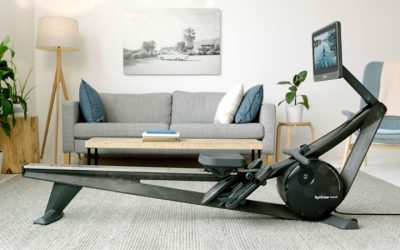
Best Gym Equipment for Full Body Workout: 5 Key Choices
Best gym equipment for full body workout setups should be judged by...
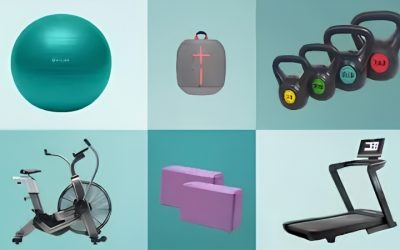
Best Workout Gym Equipment: 6 Heavy-Duty Picks for Home Use
Best workout gym equipment for a garage or basement is a structural...
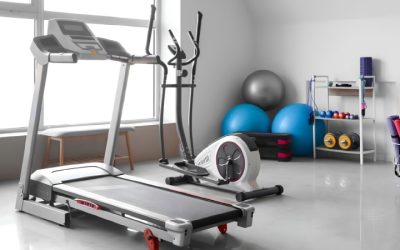
Best Workout Exercise Equipment: 6 Picks for Small Homes
Best workout exercise equipment lists usually start with the item and end...
Best Boxer Jump Rope: 6 Picks for Footwork and Conditioning
The rhythmic thud of a well-worn jump rope is a sound synonymous...
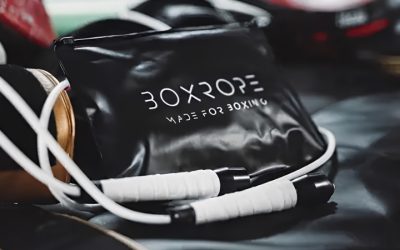
Best Boxing Jump Rope: 6 Picks for 3-Minute Round Drills
Best boxing jump rope selection is a weight decision before it is...
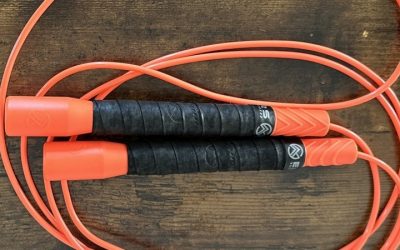
Best Beginner Jump Rope: 6 Easy-Timing Picks for Home Use
Best beginner jump rope choices come down to cord speed, not brand...
Best Workout Equipment for Glutes: 5 Picks That Load Hips
Best workout equipment for glutes lists are dominated by hip bands, which...
Write Your Review
No reviews yet. Be the first to share your experience!