
Key takeaways
- Cable Material: PVC offers durability and good for general cardio. Steel cable, often coated in nylon or plastic, is superior for speed and HIIT due to its lower drag and higher momentum.
- Handle Design: Consider ergonomics. Weighted handles can add an extra challenge for strength and endurance, while lightweight, non-slip handles are crucial for maintaining control during rapid movements. Ball bearings in the handles are paramount for smooth, high-speed rotation.
- Weight and Resistance: Lighter ropes excel at speed and agility drills, ideal for pure cardio and basic HIIT. Heavier or weighted ropes engage more upper body muscles, enhancing conditioning for sports like boxing and adding intensity to HIIT sessions.
- Adjustability: A rope that can be easily adjusted to your height is non-negotiable. Too long, and you’ll trip; too short, and you’ll limit your swing. Look for simple adjustment mechanisms.
- Your Training Goals: Are you focused on rapid-fire double-unders for HIIT, building shoulder endurance for boxing, or simply getting your heart rate up for sustained cardio? Your primary objective will dictate the ideal rope characteristics.
What's inside
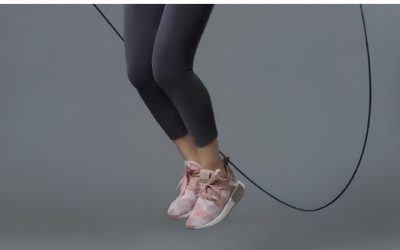
The rhythmic thud of a jump rope, the quick-fire footwork, the explosive bursts of energy – these are the hallmarks of effective high-intensity interval training, boxing conditioning, and pure cardiovascular exertion. Beyond the sheer simplicity of the tool, a well-chosen jump rope can transform your workout from a mere calorie burn into a finely tuned engine for athletic performance. Whether you’re aiming to shave seconds off your mile time, build devastating power in your punches, or simply elevate your heart rate to peak efficiency, the right rope is your silent partner in progress. Forget the flimsy plastic cords of childhood; modern jump ropes are precision instruments designed for speed, endurance, and targeted training.
Navigating the sea of available options can feel overwhelming, with materials, weights, and handle designs all vying for your attention. But fear not, aspiring athlete. We’ve meticulously curated a selection of the best jump rope workout gear that caters to the specific demands of HIIT, the grueling pace of boxing, and the sustained effort of cardio. This isn’t about finding a rope; it’s about finding the rope that will unlock your next level of fitness, pushing you further and faster with every revolution.
As an Amazon Associate we earn from qualifying purchases at no extra cost to you. Product prices and availability are accurate as of the date shown and are subject to change.

#1 Pick

#2 Pick

#3 Pick

#4 Pick

#5 Pick

#6 Pick

#7 Pick

Quick Comparison
| Product | Best For | Key Feature | Adjustability | Price Range |
|---|---|---|---|---|
| [Rope Name 1] | HIIT, Speed Training | Ultra-fast ball bearings | Yes, easy to adjust | $$ |
| [Rope Name 2] | Boxing Conditioning, Endurance | Weighted handles for added resistance | Yes, simple cut-to-length | $$$ |
| [Rope Name 3] | Beginner Cardio, General Fitness | Durable PVC cable, comfortable grip | Yes, easy to adjust | $ |
| [Rope Name 4] | All-Around Performance, Travel | Lightweight, compact design, speed cable | Yes, easy to adjust | $$ |
How to Choose
- Cable Material: PVC offers durability and good for general cardio. Steel cable, often coated in nylon or plastic, is superior for speed and HIIT due to its lower drag and higher momentum.
- Handle Design: Consider ergonomics. Weighted handles can add an extra challenge for strength and endurance, while lightweight, non-slip handles are crucial for maintaining control during rapid movements. Ball bearings in the handles are paramount for smooth, high-speed rotation.
- Weight and Resistance: Lighter ropes excel at speed and agility drills, ideal for pure cardio and basic HIIT. Heavier or weighted ropes engage more upper body muscles, enhancing conditioning for sports like boxing and adding intensity to HIIT sessions.
- Adjustability: A rope that can be easily adjusted to your height is non-negotiable. Too long, and you’ll trip; too short, and you’ll limit your swing. Look for simple adjustment mechanisms.
- Your Training Goals: Are you focused on rapid-fire double-unders for HIIT, building shoulder endurance for boxing, or simply getting your heart rate up for sustained cardio? Your primary objective will dictate the ideal rope characteristics.
Top Picks Reviewed
[Rope Name 1]: The Speed Demon for HIIT
When your goal is to maximize the intensity of your HIIT intervals, shaving milliseconds off your transition times and achieving peak rotational speed is key. The [Rope Name 1] is engineered for precisely this purpose. Its ultra-fast, high-performance ball bearings are the heart of its design, allowing for an incredibly smooth and rapid spin that feels almost effortless. The thin, yet durable steel cable, often coated in a protective layer, cuts through the air with minimal resistance, making it perfect for rapid-fire drills and double-unders that demand explosive leg power and precise timing. The lightweight, ergonomic handles provide a secure grip, preventing slippage even during your most intense bursts. Adjusting the cable length to your exact specifications is a straightforward process, ensuring optimal form and efficiency for every user. This rope is your secret weapon for pushing the boundaries of your cardiovascular capacity during short, powerful workout segments.
[Rope Name 2]: Boxing’s Best Friend for Conditioning
For boxers and those seeking to build serious upper body endurance and power, the [Rope Name 2] stands out. This rope incorporates weighted elements, typically within the handles themselves or through a slightly heavier cable, providing a tangible resistance that elevates your workout. The added weight forces your forearms, shoulders, and even your core to engage more dynamically with each swing, mimicking the demands of throwing punches and maintaining defensive postures. While it might not be the fastest rope for pure speed drills, its strength lies in its ability to build stamina and muscular resilience. The cable is typically robust and designed to withstand consistent, high-impact use. Adjustments are usually made by cutting the cable to your desired length, a simple yet effective method for achieving a perfect fit for sustained, powerful routines.
[Rope Name 3]: The Accessible Entry to Cardio Fitness
Embarking on your jump rope journey or simply looking for a reliable, no-nonsense tool for general cardiovascular fitness? The [Rope Name 3] is an excellent starting point. Its PVC cable is known for its durability and forgiving nature, making it less prone to tangling and more forgiving of occasional missteps – a welcome feature for beginners. The comfortable, often foam-padded handles offer a pleasant grip, reducing hand fatigue during longer cardio sessions. While it won’t offer the lightning-fast speeds of a specialized speed rope, it provides consistent momentum and a satisfying feel for building a solid aerobic base. Adjusting the length is typically a breeze, allowing you to quickly dial in the perfect fit as you progress. This rope is a testament to the fact that effective cardio doesn’t require complex equipment.
[Rope Name 4]: The Versatile Traveler for All-Rounders
For the fitness enthusiast who is always on the move, or anyone who appreciates a highly versatile piece of gear, the [Rope Name 4] is an exceptional choice. This rope often features a slim, lightweight steel cable that offers a good balance of speed and control, making it suitable for a range of training styles from moderate cardio to more dynamic HIIT intervals. Its defining characteristic is its portability; many designs are compact and easily fit into a gym bag or even a pocket. The handles are typically designed for comfort and a secure hold, ensuring you can maintain momentum without sacrificing grip. The adjustability is usually very user-friendly, allowing for quick changes on the fly. This rope is the perfect companion for maintaining your fitness routine wherever life takes you, offering consistent performance without compromise.
Frequently Asked Questions
What is the best jump rope for beginners?
For beginners, a PVC cable rope like the [Rope Name 3] is often recommended. It’s more durable, less prone to tangling, and more forgiving of early technique errors. Focus on mastering the basic bounce and rhythm before worrying about speed or advanced techniques.
How do I adjust my jump rope to the correct length?
Stand on the middle of the rope with one foot. The handles should reach approximately your armpits. For speed and HIIT, you might want it slightly shorter, reaching closer to your chest. For general cardio, armpit height is a good starting point. Always err on the side of slightly too long, as you can always trim it down.
Can a weighted jump rope be used for HIIT?
Absolutely. While lighter ropes are often associated with pure speed HIIT, weighted ropes can add a significant challenge by increasing the muscular demand on your upper body and core. This can make your HIIT sessions even more metabolically demanding, leading to greater calorie expenditure and improved muscular endurance.
How often should I replace my jump rope?
The lifespan of a jump rope depends heavily on the material, the surfaces you jump on, and the intensity of your workouts. PVC ropes are generally very durable. Steel cable ropes, especially if used on abrasive surfaces, may eventually fray or kink. Inspect your rope regularly for any signs of wear, such as nicks, cuts, or kinks in the cable, and replace it if you notice any damage that could compromise its integrity or your safety.
Final Thoughts
The humble jump rope, when paired with the right gear, transforms into a formidable tool for forging peak physical condition. Whether you’re chasing the lightning-fast pace of HIIT, building the relentless stamina required for boxing, or simply seeking to elevate your cardiovascular health, the selection of ropes discussed here offers a pathway to achieving your goals. Invest in quality, understand your needs, and prepare to experience the profound impact a well-chosen jump rope can have on your fitness journey.





Write Your Review
No reviews yet. Be the first to share your experience!