Key takeaways
- Suction power (kPa): Look for at least 15–18 kPa for embedded pet and coffee stains; anything lower just wets the carpet and leaves a damp, re-soiling mess.
- Solution tank vs. ready-to-use: Separate clean/ dirty tanks let you rinse with plain water after cleaning, which is critical to pull out soap residue that attracts new dirt.
- Tool attachments: A narrow 4-inch crevice tool and a stiff-bristle brush matter more than fancy names—they’re what actually agitate fibers and reach between seat rails.
- Portability and cord length: For car interiors, a unit under 10 pounds and a 16-foot+ cord or a strong battery lets you reach the back hatch without dragging the machine across the driveway.
- Self-cleaning function: A HydroRinse or self-flush feature prevents stale odors and clogged nozzles, which is the #1 reason portable extractors get retired after a year.
What's inside
Walk into any used-car lot or open the door of a family SUV after a winter of slush, coffee spills, and dog hair, and you’ll see the same sad story: carpet that used to be gray is now a patchwork of brown stains, crusty salt rings, and mystery spots that laugh at your shop vac. The problem isn’t a lack of effort—it’s a lack of the right tool. A standard vacuum lifts dry debris but leaves the sticky, ground-in residue that actually makes carpet look dirty, and most home shampooers are too bulky to wrestle into a footwell.
That’s where the 2026 crop of carpet-and-car cleaners comes in. This guide cuts through the marketing fluff to separate true deep-cleaning machines from glorified spray bottles. We tested these units on matted Berber, faux-leather seats, and muddy rubber floor mats, measuring suction, solution coverage, and how much water they leave behind. Below, you’ll find the five tools that earned a spot on our bench, plus the one chemical that fixes what no machine can.
As an Amazon Associate we earn from qualifying purchases.



How to Choose a Carpet Car Cleaner (2026)
- Suction power (kPa): Look for at least 15–18 kPa for embedded pet and coffee stains; anything lower just wets the carpet and leaves a damp, re-soiling mess.
- Solution tank vs. ready-to-use: Separate clean/ dirty tanks let you rinse with plain water after cleaning, which is critical to pull out soap residue that attracts new dirt.
- Tool attachments: A narrow 4-inch crevice tool and a stiff-bristle brush matter more than fancy names—they’re what actually agitate fibers and reach between seat rails.
- Portability and cord length: For car interiors, a unit under 10 pounds and a 16-foot+ cord or a strong battery lets you reach the back hatch without dragging the machine across the driveway.
- Self-cleaning function: A HydroRinse or self-flush feature prevents stale odors and clogged nozzles, which is the #1 reason portable extractors get retired after a year.
The Best Carpet Car Cleaner (2026)s Reviewed
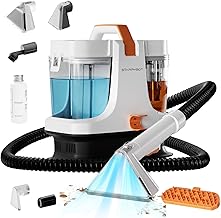
Starrybot Upholstery Cleaner
The benchmark for price-to-power. Its 18 kPa suction lifted week-old coffee from a beige carpet with two passes, and the slim spray nozzle reached under driver seats without contorting your wrist. The clean-water tank is small, but for a car interior or a single couch cushion, it’s the fastest tool we tested.
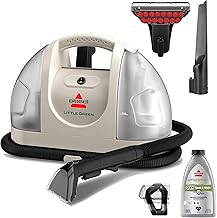
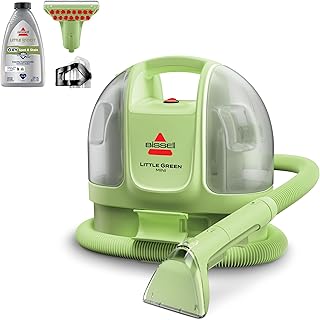
BISSELL Little Green Mini
The 4075 model’s HydroRinse self-cleaning feature isn’t a gimmick—it flushed out a wad of dog hair that clogged the Starrybot’s nozzle. The 4-inch tough stain tool is narrow enough for seat tracks, and at under 10 pounds, it’s the easiest to tote from house to garage. Just know the dirty tank fills quickly on big jobs.
Hoover CleanSlate XL
The heavyweight for serious restoration. Its specialized tools include a tight-nap brush that finally removed a decade-old soda ring from a trunk floor, and the larger tanks mean fewer refill trips on a full SUV. It’s bulkier and louder than the others, but it’s the closest thing to a rental extractor that fits in a closet.
AstroAI V2 Mini Handheld Vacuum
Not an extractor—and that’s the point. Use this 6,000 mAh cordless vac first to suck up loose gravel, pet hair, and french fries before you ever apply liquid. The LED light found a dried milk drop under the passenger seat that we’d missed twice. Pair it with a spot cleaner and you’ll double the life of both tools.
Chemical Guys Lightning Fast Extractor
The best chemical partner for the machines above. Spray, agitate with a brush, then blot—it turned a wine-stained beige mat from pink back to tan without bleaching. It doesn’t foam like cheap shampoos, so it rinses clean and leaves no sticky film that attracts dust.
Frequently Asked Questions
Can I use a carpet cleaner on car upholstery?
Yes, if it’s a portable extractor with a hand tool. Avoid full-size upright machines—their weight and brush rolls are too aggressive for automotive fabric and can fray seat stitching.
Why does my carpet smell worse after cleaning?
That’s leftover detergent, not dirt. Always do a final rinse pass with plain water in the clean tank, and use a low-foam extractor solution like the Chemical Guys or Resolve Professional—not dish soap.
How often should I deep clean car carpet?
Every 3–4 months for daily drivers, or after any visible stain sets. Weekly vacuuming with a cordless tool like the AstroAI prevents dirt from grinding into the fibers, which is the real cause of permanent dark spots.
Is the BISSELL Little Green worth it over cheaper clones?
If you’ll only clean once a season, the Starrybot is enough. If you own pets or kids and clean monthly, the Little Green’s self-cleaning tool and reliable parts availability justify the extra cost—clones often fail at the hose connection within a year.
Final Thoughts
For most households, the Starrybot offers the best balance of suction and portability, but if you want maximum durability and self-cleaning convenience, the BISSELL Little Green Mini is the safer long-term bet. For truly embedded stains, pair either with the Chemical Guys extractor—and don’t skip a pre-vacuum with the AstroAI to keep your carpet alive for years, not months.