
Key takeaways
- Cable spec matters more than stack weight: Look for nylon-coated steel cable with proper swaged ends. Uncoated cable running over plastic pulleys is the fastest route to a grinding machine within a year.
- Ask about spares before you buy: Cables, pop pins, and pulleys are consumables on any machine. Brands with a long history in the category are far more likely to still sell the part you need in three years.
- Steel gauge and welds: 14-gauge or heavier tubing with clean, continuous welds resists the flex that eventually loosens hardware. Run a hand along the welds in photos and reviews; spatter and gaps are a warning.
- Upholstery construction: High-density foam with double-stitched vinyl survives sweat and repeated compression. Thin foam over a plywood board flattens within months and cannot be restored.
- Maintenance you will actually do: Fifteen minutes twice a year — check bolt torque, wipe and inspect cables, lightly lubricate guide rods — prevents most of the failures people blame on build quality.
What's inside
Nothing on a home gym machine fails dramatically. What happens is slower and more annoying: a pulley starts to squeak, then to grind. A cable develops a flat spot where it runs over a worn sheave, then a few strands fray near the swage. Vinyl at the seam of the back pad splits. Two years in, the machine still works, but every rep feels notchy, and you start skipping the stations that feel worst. Durability in this category is really about consumables and whether you can replace them.
With that lens, the six machines below separate along fairly clear lines. Coated aircraft-style cable, sealed or bushed pulleys, powder-coated 14-gauge steel, and double-stitched upholstery are the details that decide whether the machine is still pleasant in year five. Stack weight ranges from 150 to 200 pounds across the group, and one entry is a folding bench for people whose durability question is about a hinge rather than a cable.
As an Amazon Associate we earn from qualifying purchases at no extra cost to you. Product prices and availability are accurate as of the date shown and are subject to change.


Quick Comparison
| Product | Best For | Standout Feature | Watch Out For |
|---|---|---|---|
| JELENS H11 Home Gym | Daily household use | Enclosed stack keeps grit out | Cables need early re-tensioning |
| Mikolo Home Gym Station | High-volume training | 152 lb stack, multi-station frame | More pulleys means more upkeep |
| SincMill Home Gym | Low-maintenance setups | Fewer moving parts to service | Fewer spares options |
| Marcy Workout Station | Long service life | Established brand parts support | Heavy, hard to reposition |
| XGSW Multi-Function Gym | Isolation training | Arm and leg trainers built in | Attachment pins wear over time |
| YOLEO Adjustable Bench | Simplest durability case | 827 lb ASTM rating | Hinge and pad are the wear points |
How to Choose
- Cable spec matters more than stack weight: Look for nylon-coated steel cable with proper swaged ends. Uncoated cable running over plastic pulleys is the fastest route to a grinding machine within a year.
- Ask about spares before you buy: Cables, pop pins, and pulleys are consumables on any machine. Brands with a long history in the category are far more likely to still sell the part you need in three years.
- Steel gauge and welds: 14-gauge or heavier tubing with clean, continuous welds resists the flex that eventually loosens hardware. Run a hand along the welds in photos and reviews; spatter and gaps are a warning.
- Upholstery construction: High-density foam with double-stitched vinyl survives sweat and repeated compression. Thin foam over a plywood board flattens within months and cannot be restored.
- Maintenance you will actually do: Fifteen minutes twice a year — check bolt torque, wipe and inspect cables, lightly lubricate guide rods — prevents most of the failures people blame on build quality.
Top Picks Reviewed
Best Long-Term Choice: Marcy Workout Station
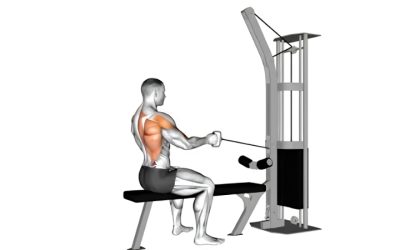
Marcy has been in this market long enough that parts and community knowledge exist, which is worth more over a decade than any single spec. The frame is substantial, the 100 to 200 lb stack options mean you are unlikely to strain the machine by outgrowing it, and it stays rigid under heavy seated rows.
It is unwieldy. Once built it is essentially permanent, and if you later decide the location was wrong, moving it means either two strong people or partial disassembly.
Best Everyday Machine: JELENS H11 Home Gym
The enclosed stack housing on the H11 is a genuine durability feature, not just cosmetics: it keeps dust and pet hair off the guide rods, which is where grit-driven wear usually starts in a home. The 150 lb stack covers most household training for years.
Cables settle noticeably in the first few weeks and want re-tensioning once. Skip that and you get uneven travel that accelerates pulley wear — a five-minute job that people routinely ignore.
Best for Heavy Use: Mikolo Home Gym Station
If two or three people train on the same frame several times a week, the Mikolo’s spread of stations distributes wear rather than concentrating it on one cable run. The 152 lb stack and smooth pulley action hold up well to high session counts.
More stations mean more pulleys, more cable, and more things to inspect. This is the machine that most rewards a twice-yearly service routine, and most punishes neglect.
Lowest Maintenance: SincMill Home Gym
Fewer stations means fewer wear points. For someone who wants to train a handful of movements and never think about the equipment again, the reduced complexity is a legitimate durability advantage.
Spare parts are the weak spot. With a smaller support footprint than the established brands, sourcing a replacement cable years later may be harder than the machine’s build quality deserves.
Best for Isolation Longevity: XGSW Multi-Function Gym
The dedicated arm and leg trainers take load off the main cable path, and because those stations use mechanical linkages rather than long cable runs, they tend to keep working smoothly well after a heavily used pulley would need attention.
The attachment pins and bushings on those arms do develop play with time. It rarely stops the machine working but introduces a small rattle that some people find irritating.
Simplest to Keep Going: YOLEO Adjustable Bench
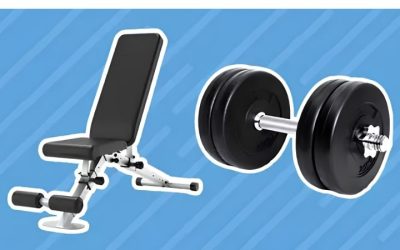
With an ASTM-certified 827 lb rating and 98% pre-assembled delivery, this bench has almost nothing to fail: a frame, a hinge, a ladder adjustment, and two pads. Wipe it down, keep the bolts snug, and it will outlast most cable machines.
The pad seams are still the eventual failure point, and folding benches accumulate wear at the hinge if they are opened and closed daily. Neither is expensive to live with, but a bench alone is not a gym.
Frequently Asked Questions
How long should a home gym cable last?
With normal household use and correct tension, three to six years is typical before fraying appears near the swaged ends. Inspect where the cable bends over a pulley — that is where wear shows first.
What maintenance does a stack machine actually need?
Twice a year: check every bolt for torque, wipe the guide rods and apply a light silicone lubricant, inspect cables end to end, and clean the pulleys. Total time is under 20 minutes.
Why does my machine squeak or feel notchy?
Usually a dry or dirty guide rod, or a pulley bushing that has picked up grit. Clean first, lubricate second, and only then consider replacing the pulley. Cable tension that is too low causes a similar notchy feel.
Is a heavier stack harder on the machine?
Not meaningfully if the frame is rated for it — but slamming the stack down at the end of a set is. Controlled eccentrics protect both the pulleys and your joints, and are the single biggest factor in how long the machine stays quiet.
Final Thoughts
For the longest realistic service life, the Marcy Workout Station wins on parts support and frame substance, while the JELENS H11 is the better-protected daily driver thanks to its enclosed stack. If your household trains hard and often, the Mikolo Home Gym Station spreads that wear across more stations — just commit to the twice-yearly service that keeps it feeling new.
Write Your Review
No reviews yet. Be the first to share your experience!