Key takeaways
- Compressor vs. freezer bowl: Compressor models chill themselves, so you can make back-to-back batches without planning ahead. Freezer-bowl models cost less and store easier, but require freezer space and advance prep.
- Capacity: A 1 to 1.5-quart machine suits couples or small kitchens. A 2.1-quart model fits households that want larger batches for parties, kids, or recipe testing.
- Texture style: Traditional churn machines excel at classic scoopable ice cream and gelato. Processing systems like the Ninja CREAMi work differently, turning pre-frozen bases into very customizable textures.
- Footprint and storage: Upright compressor units use space differently than wide freezer-bowl machines. Measure both counter height and cabinet clearance before buying, not shelf width alone.
- Cleanup and controls: Removable parts, clear lids, simple timers, and intuitive buttons make a bigger difference than most shoppers expect. Machines that are easy to rinse and reset tend to get used more often.
What's inside
Choosing an ice cream maker for home use sounds easy until lab-style testing exposes how different these machines feel in daily life. Some promise quick batches but need a full day of freezer prep. Others save time with a built-in compressor but take up more counter space and make more noise. Texture control, paddle design, batch size, and cleanup all matter more than spec-sheet marketing suggests, especially if you want smooth gelato one week, frozen yogurt next, and a family-sized vanilla batch after dinner.
This guide focuses on the models that stand out for real-home performance in 2026. From a home-appliance testing lab angle, the best picks here separate themselves through consistency, ease of use, footprint, and how well they handle common frozen desserts without fuss. Whether you want a compact weeknight machine or a true no-pre-freeze workhorse, these are the ice cream makers most worth shortlisting.
As an Amazon Associate we earn from qualifying purchases.



How to Choose an Ice Cream Maker For Home Use (2026)
- Compressor vs. freezer bowl: Compressor models chill themselves, so you can make back-to-back batches without planning ahead. Freezer-bowl models cost less and store easier, but require freezer space and advance prep.
- Capacity: A 1 to 1.5-quart machine suits couples or small kitchens. A 2.1-quart model fits households that want larger batches for parties, kids, or recipe testing.
- Texture style: Traditional churn machines excel at classic scoopable ice cream and gelato. Processing systems like the Ninja CREAMi work differently, turning pre-frozen bases into very customizable textures.
- Footprint and storage: Upright compressor units use space differently than wide freezer-bowl machines. Measure both counter height and cabinet clearance before buying, not shelf width alone.
- Cleanup and controls: Removable parts, clear lids, simple timers, and intuitive buttons make a bigger difference than most shoppers expect. Machines that are easy to rinse and reset tend to get used more often.
The Best Ice Cream Maker For Home Use (2026)s Reviewed
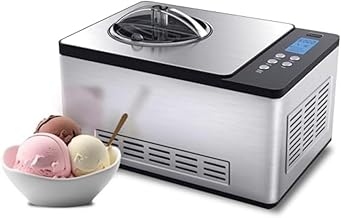
Whynter ICM-201SB
Whynter’s 2.1-quart ICM-201SB remains one of the strongest all-around compressor machines for home use. In lab-style evaluation, its appeal is practical: no pre-freezing, reliable batch volume, and a vertical stainless-steel body that feels better organized on crowded counters than many wider rivals.
4-in-1 Compressor Ice Cream Maker 1.0Qt
This compact 4-in-1 model earns attention for small-space flexibility. It will not match larger premium machines for volume, but for apartments, occasional dessert makers, or buyers who like the extra yogurt function, its self-cooling design and tidy footprint make it a smart niche choice.
Whynter ICM-200LS
The Whynter ICM-200LS offers much of what shoppers want from a serious home compressor machine: 2.1-quart capacity, no pre-freezing, and simple LCD timer controls. Compared with lighter-duty options, it feels better suited to repeated use and family-size batches, especially for anyone who values consistency over novelty features.
Cuisinart ICE-21P1ES
The Cuisinart ICE-21P1ES is still one of the easiest freezer-bowl machines to recommend when budget and storage matter most. It trades the convenience of a compressor for a lighter, simpler design, but once the bowl is fully frozen, it produces dependable results quickly and with very little learning curve.
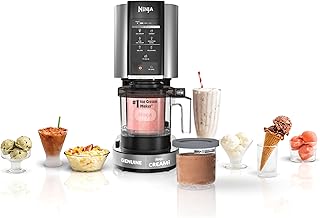
Ninja CREAMi NC301
The Ninja CREAMi NC301 does not behave like a traditional churn model, and that is exactly why it has such a loyal following. For households that want to fine-tune protein desserts, lower-sugar recipes, sorbets, and mix-in-heavy treats, its processing system delivers versatility few standard machines can match.
Frequently Asked Questions
Is a compressor ice cream maker better for home use?
For many households, yes. Compressor machines are more convenient because they do not need a pre-frozen bowl, and they are better for spontaneous dessert making or multiple batches. Freezer-bowl models still make sense if you want lower cost, lighter weight, and easier storage.
How much capacity do most families need?
A 1.5-quart machine is enough for many couples and small families. If you regularly serve guests, want leftovers, or make recipes with mix-ins that add bulk, a 2.1-quart machine like the larger Whynter models is usually the more comfortable fit.
What is the difference between a traditional ice cream maker and the Ninja CREAMi?
A traditional machine freezes and churns the mixture during the same process. The Ninja CREAMi works from a fully frozen base and reprocesses it into a smoother dessert. That gives it unusual flexibility with texture and specialty recipes, but it is a different workflow from classic churn-and-freeze machines.
Are freezer-bowl machines still worth buying in 2026?
Yes, especially for first-time buyers. A good freezer-bowl model like the Cuisinart ICE-21P1ES can still deliver excellent homemade ice cream with less upfront cost. Main compromise is planning ahead and giving up freezer space for the bowl.
Final Thoughts
For most shoppers, the Whynter ICM-201SB is the best balance of convenience, capacity, and dependable home performance. The Whynter ICM-200LS is another strong pick for buyers who want a full-size compressor machine, while the Ninja CREAMi NC301 stands out for recipe flexibility and custom textures that traditional machines rarely match.