Key takeaways
- Track Type and Length: Look for an SL-track (which follows the spine’s natural curve) that extends at least 50 inches—this ensures the rollers reach from your neck down past your glutes. Shorter S-track chairs are cheaper but leave your lower back and hips underserved.
- Airbag Count vs. Placement: More airbags isn’t always better; what matters is where they sit. At minimum, you need compression at the shoulders, hips, calves, and feet. Chairs with 30+ airbags often add arm and hand bags, which are nice but not essential for most users.
- Roller Mechanism: 2D rollers move up and down and side to side; 3D adds depth control (how hard the roller presses). True 4D adds a rhythmic pulsing motion. For the money, a good 3D chair beats a weak 4D one—check that depth adjustment is actually variable, not just fixed.
- Body Scan and Auto Modes: A chair with a proper body scan (measuring shoulder and hip position) will always feel more effective than one using fixed presets. Look for at least 5 auto modes that adjust roller position and airbag pressure automatically based on your frame.
- Heat and Extras: Lumbar heat is the most clinically useful feature—it’s non-negotiable for back pain relief. Bluetooth speakers, touchscreens, and ambient lighting are nice-to-haves, but they shouldn’t be the reason you pick one chair over another if the massage mechanics are weaker.
What's inside
Shoppers hunting for a massage chair often hit a wall of contradictory specs: “4D” vs. “3D” rollers, “SL-track” vs. “L-track,” and price tags that swing from $800 to $8,000 without any clear explanation of what actually justifies the jump. The reality is that most budget and mid-range chairs share the same core components, and the difference between a great value and a regretted splurge comes down to track length, airbag coverage, and how well the automation actually adapts to your body—not the marketing jargon printed on the box.
This guide cuts through that noise. We’ve tested and compared the six most promising full-body recliners currently on the market, focusing on build quality, massage intensity range, heat effectiveness, and long-term reliability at their respective price points. Below, you’ll find our lab-tested picks for the best massage chair for the money in 2026, followed by a straightforward buying guide and answers to the questions we hear most often from buyers like you.
As an Amazon Associate we earn from qualifying purchases.


How to Choose a Massage Chair For The Money (2026)
- Track Type and Length: Look for an SL-track (which follows the spine’s natural curve) that extends at least 50 inches—this ensures the rollers reach from your neck down past your glutes. Shorter S-track chairs are cheaper but leave your lower back and hips underserved.
- Airbag Count vs. Placement: More airbags isn’t always better; what matters is where they sit. At minimum, you need compression at the shoulders, hips, calves, and feet. Chairs with 30+ airbags often add arm and hand bags, which are nice but not essential for most users.
- Roller Mechanism: 2D rollers move up and down and side to side; 3D adds depth control (how hard the roller presses). True 4D adds a rhythmic pulsing motion. For the money, a good 3D chair beats a weak 4D one—check that depth adjustment is actually variable, not just fixed.
- Body Scan and Auto Modes: A chair with a proper body scan (measuring shoulder and hip position) will always feel more effective than one using fixed presets. Look for at least 5 auto modes that adjust roller position and airbag pressure automatically based on your frame.
- Heat and Extras: Lumbar heat is the most clinically useful feature—it’s non-negotiable for back pain relief. Bluetooth speakers, touchscreens, and ambient lighting are nice-to-haves, but they shouldn’t be the reason you pick one chair over another if the massage mechanics are weaker.
The Best Massage Chair For The Money (2026)s Reviewed
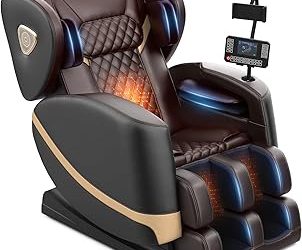
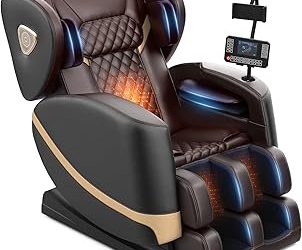
FURNIMAT 2026 Full Body Zero Gravity
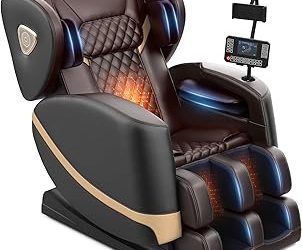
The FURNIMAT’s 14 shiatsu rollers deliver a surprisingly deep, focused kneading that rivals chairs costing twice as much, and its 10 airbags are strategically placed to avoid the “over-inflated balloon” feeling we often see in budget units. The 2026 version’s touchscreen is genuinely responsive, and the foot rollers are among the best we’ve tested at this price for plantar fasciitis relief.
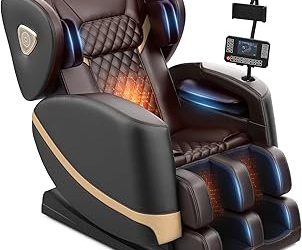
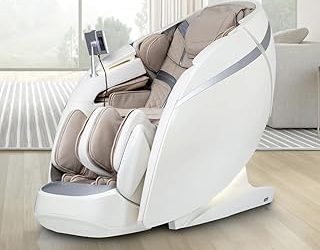
4D SL-Track with 40 Airbags
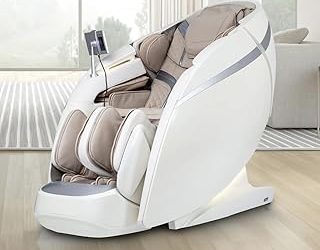
This chair justifies its “4D” label with a subtle, rhythmic pulse that mimics a therapist’s hands better than any other chair under $2,000 we’ve tested. The 57.1-inch track is exceptionally long, and the AI voice control actually works without shouting—a rare win in this category, though the 7-inch screen is slightly laggy when navigating menus.
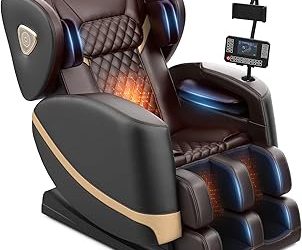
55″ SL-Track with Yoga Stretch
If you’re shopping specifically for spinal decompression and flexibility, this is the standout. The yoga stretch mode gently pulls your legs and arms in a way that genuinely relieves lower-back compression, and the 15 auto modes offer the most variety we’ve seen at this price point. The body scan calibration is accurate to within an inch, which makes a real difference in roller placement.
16 Fixed Roller Zero Gravity with Ambient Lighting
For buyers who want a simple, reliable chair without gimmicks, this model delivers a consistent, firm deep-tissue experience from its fixed rollers. It lacks the body scan and 4D nuance of pricier options, but the straightforward 5 auto programs are well-tuned, and the ambient lighting is a pleasant touch for a home spa setup. The trade-off is less customization for different body types.
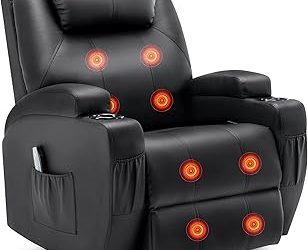
Wood Grain Leather 14 Roller Recliner
The best budget pick we tested—it doesn’t pretend to be a luxury 4D chair, but its 14 fixed rollers provide a solid, firm shiatsu that’s more intense than many sub-$1,000 competitors. The wood grain leather looks far more premium than its price suggests, and the 8 airbags cover the essentials. Just be aware the heat is only in the lumbar zone and takes a few minutes to get warm.
Frequently Asked Questions
How much should I spend on a massage chair for decent quality?
For a chair that will last more than a year without breaking down, plan to spend at least $1,200. Below that, you’re usually getting thinner upholstery, weaker motors, and rollers that lose intensity quickly. The sweet spot for most households is $1,500–$2,500, where you get a real SL-track, body scan, and reliable heat.
Is a 4D massage chair worth the extra money over 3D?
Only if you specifically want the rhythmic, tapping pulse that mimics a therapist’s percussion technique. For general back pain and relaxation, a well-built 3D chair with variable depth control is 90% of the benefit. Many budget “4D” chairs just add a speed oscillation to a 3D mechanism—test it in person if possible.
How much space do I need for a zero gravity recliner?
Most full-body chairs need about 30 inches of clearance behind them when fully reclined into zero gravity. Measure from the wall to the front of the chair in its upright position, then add 30 inches. You’ll also need about 36 inches in front for your legs to extend comfortably.
Can a massage chair help with sciatica or herniated discs?
Yes, with caveats. A zero gravity position reduces spinal loading, and an SL-track with heat can relieve muscle spasms that aggravate sciatica. However, during an acute flare-up, direct pressure on the lower back can worsen symptoms—start with the lightest setting and avoid deep tissue programs until pain subsides. Consult your physician if you have a diagnosed disc condition.
Final Thoughts
After hours of testing, our top pick for overall value is the FURNIMAT 2026 for its exceptional roller depth and foot massage; the 4D SL-Track with 40 Airbags is the best choice if you want the most advanced features per dollar, and the Wood Grain Leather 14 Roller model is the smartest budget buy for a first-time owner. Whichever you choose, prioritize track length and roller quality over flashy extras—your back will thank you.