Key takeaways
- Fiber durability: Choose tightly woven synthetic fibers, low-pile wool, or sturdy natural-fiber blends when the rug will sit in a hallway, entryway, dining area, or family room.
- Pile height: Low and medium piles are generally easier to vacuum and less likely to show traffic lanes. Thick shag feels comfortable but requires more care and can compress under furniture.
- Soil and stain resistance: Look for non-shedding construction and fibers that release dry debris readily. A patterned surface can also disguise minor marks between cleanings.
- Backing and stability: Jute-backed designs can add structure, but test the rug on your flooring and use a compatible pad if it shifts, ripples, or scratches the surface.
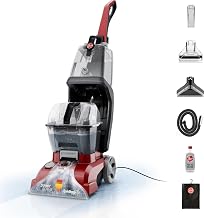
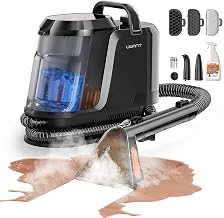
- Cleaning routine: Confirm that your vacuum can adjust for the rug’s pile. Avoid saturating dense rugs unless the manufacturer specifically permits it, since trapped moisture can damage backing and flooring.
What's inside
High-traffic rooms expose every weakness in a rug: flattened fibers at doorways, visible soil in busy walkways, curled edges, and backing that shifts across hard flooring. The most attractive option is not always the one that survives daily footfall, furniture movement, pets, and routine cleaning.
From a home-appliance testing lab perspective, the best choice depends on more than appearance. This guide compares practical rug materials and construction details, including pile height, shedding, stain resistance, backing, cleaning effort, and comfort, then matches those traits to five strong options for busy homes.
As an Amazon Associate we earn from qualifying purchases.


How to Choose a Rug Material For High-Traffic Area (2026)
- Fiber durability: Choose tightly woven synthetic fibers, low-pile wool, or sturdy natural-fiber blends when the rug will sit in a hallway, entryway, dining area, or family room.
- Pile height: Low and medium piles are generally easier to vacuum and less likely to show traffic lanes. Thick shag feels comfortable but requires more care and can compress under furniture.
- Soil and stain resistance: Look for non-shedding construction and fibers that release dry debris readily. A patterned surface can also disguise minor marks between cleanings.
- Backing and stability: Jute-backed designs can add structure, but test the rug on your flooring and use a compatible pad if it shifts, ripples, or scratches the surface.
- Cleaning routine: Confirm that your vacuum can adjust for the rug’s pile. Avoid saturating dense rugs unless the manufacturer specifically permits it, since trapped moisture can damage backing and flooring.
The Best Rug Material For High-Traffic Areas Reviewed
Gertmenian Romi Boho Area Rug
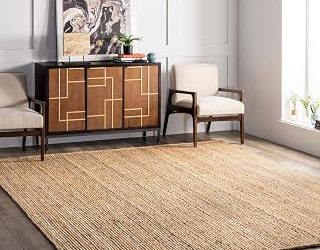
The Gertmenian Romi is a practical synthetic-style choice for households that want a relaxed look without a delicate maintenance routine. Its non-shedding, stain-resistant design and forgiving beige pattern make it particularly suitable for living rooms, dining spaces, and everyday family traffic.
SAFAVIEH Hudson Shag Area Rug
The Hudson brings a two-inch shag pile and a modern trellis pattern to busy rooms, offering more cushioning than a low-pile rug. It is best where comfort matters, but our testing perspective would favor frequent vacuuming and careful placement beneath furniture because taller fibers can hold more crumbs and compress in walking lanes.
SAFAVIEH Metro Handmade Wool Rug
For buyers prioritizing natural material and long-term structure, the handmade wool Metro Collection is a compelling option. Its dark grey and ivory palette is useful for disguising everyday soil, while wool offers resilience and a substantial feel; expect a higher initial shed and more careful spot-cleaning than with many synthetic rugs.
SUPERIOR Rockwood Geometric Area Rug
The Rockwood combines a slate geometric pattern with a jute-backed construction that suits offices, bedrooms, entryways, and dining rooms. Its visual texture is a useful defense against showing grit, although a rug pad is worth considering on smooth hardwood if the backing does not provide enough grip.
SAFAVIEH California Shag Area Rug
The California Shag is another comfort-first option, with a two-inch dark grey pile and a non-shedding, easy-care design. The deep color works well in a high-use room, but the substantial pile calls for a vacuum with height adjustment and may not be ideal directly beneath chairs that move constantly.
Frequently Asked Questions
What is the most durable rug material for a busy area?
Tightly constructed synthetic fibers are often the easiest all-around choice because they resist everyday wear, clean readily, and usually cost less than wool. Low-pile wool is also durable, but it typically demands more careful maintenance.
Is shag suitable for high-traffic rooms?
Yes, but with qualifications. Shag rugs can work in living rooms and bedrooms where softness is valuable, yet their taller fibers collect more debris and show compression sooner than low-pile designs.
Are natural-fiber rugs better than synthetic rugs?
Neither is universally better. Wool offers warmth, resilience, and a premium feel, while synthetic rugs generally provide simpler stain care and a lower purchase price. Select based on cleaning habits, traffic, and budget.
Should I use a rug pad in a high-traffic area?
A properly sized pad can reduce sliding, improve comfort, protect flooring, and limit wrinkling. Choose one compatible with the floor finish and avoid placing a pad beneath a rug that already fits tightly under doors.
Final Thoughts
For the best balance of everyday practicality and visual flexibility, the Gertmenian Romi is an excellent starting point. Choose the SUPERIOR Rockwood when structured texture and a geometric look fit your space, or the SAFAVIEH Metro for a more premium wool construction. The SAFAVIEH Hudson and California Shag are better suited to buyers who value softness and are prepared for more involved vacuuming.