Key takeaways
- Keep a small amount of the rug’s original cleaning solution for future spot tests.
- Place a waterproof sheet beneath the rug when treating it indoors, especially over wood flooring.
- Empty and rinse recovery tanks after every machine-cleaning session to prevent odor and residue.
- Clean spills promptly, but allow each treated area to dry before judging whether the stain is gone.
What's inside
An area rug collects more than visible dust: grit works into the backing, spills bind to fibers, and excess moisture can leave behind odors, browning, or mildew. The safest cleaning method depends on the rug’s fiber, construction, dye stability, and whether it has a washable or rubberized backing.
From a home-appliance testing lab perspective, the best results come from controlled cleaning rather than maximum power. This guide explains how to identify your rug’s needs, choose between vacuuming, spot treatment, hand washing, and machine cleaning, and dry the rug thoroughly without damaging its shape or color.
As an Amazon Associate we earn from qualifying purchases.




Our Recommended Picks
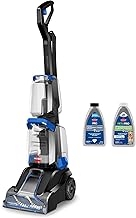
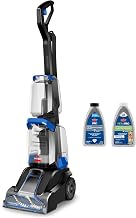
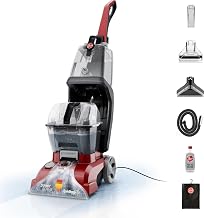
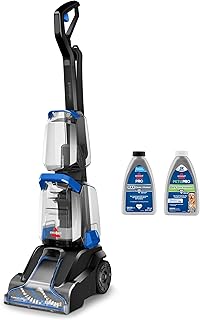
For everyday use, the CHAMPLANT Washable Area Rug is a practical choice because its thin construction is easier to launder and dry than a dense, traditional pile rug. For larger carpeted surfaces and rugs specifically labeled machine-cleanable, the BISSELL TurboClean Upright Carpet Cleaner offers an upright format with OXY cleaning formulas. The compact Hoover PowerDash Pet is useful where storage space is limited, while its HeatForce feature is designed to help speed drying.
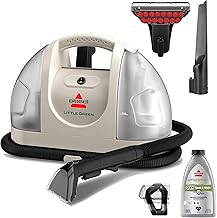
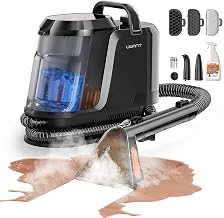
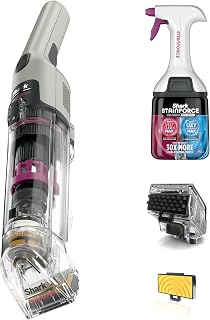
For isolated spills, the Shark StainStriker Portable Spot & Stain Cleaner is easier to control than a full-size extractor. The cordless Shark StainForce is convenient for quick treatment of small stains, cars, and upholstery. A budget-minded alternative is the H6 Carpet Cleaner Machine, which combines strong suction, dual water tanks, and a self-cleaning function. Always confirm that the formula and brush action are approved for your specific rug.
Identify the Rug Before Cleaning
Start by checking the care label, manufacturer’s instructions, and backing. Synthetic rugs made from polypropylene or polyester are generally more forgiving than wool, viscose, jute, sisal, silk, or antique rugs. A rubber, latex, or glued backing may crack, curl, or separate when exposed to heat and saturation. If the label says “spot clean only,” do not put the rug in a washer or use an upright extractor across the entire surface.
Remove furniture, then inspect for loose seams, unraveling edges, color transfer, or brittle backing. Photographing the rug before cleaning can help you identify any change afterward. For valuable, handmade, or natural-fiber rugs, professional cleaning is usually the safer investment.
Vacuum Thoroughly First
Vacuum both sides when practical. Begin with the backing to loosen grit, then turn the rug face-up and use a gentle setting appropriate for the pile. Avoid aggressive beater-bar use on fringes, shag, looped fibers, and delicate surfaces. Work slowly in overlapping passes, paying extra attention to traffic lanes and beneath furniture.
Vacuuming is not merely preparation: it removes abrasive particles that can otherwise turn into muddy residue when mixed with cleaning solution. For a washable, low-pile rug such as the CHAMPLANT, regular vacuuming may prevent the need for frequent deep cleaning.
Test Colorfastness and Treat Stains
Mix the recommended cleaning solution exactly as directed; stronger is not automatically better. Test it on a hidden corner using a white cloth. Blot the area and check the cloth and rug after it dries. Any dye transfer, lightening, stiffness, or backing damage is a reason to stop and choose a gentler method.
Blot fresh spills from the outside toward the center. Do not scrub vigorously, since friction can spread the stain and roughen fibers. For pet accidents, first absorb as much liquid as possible, then use a compatible enzymatic or OXY product if the care label permits it. Portable machines such as the Shark StainStriker are particularly useful because they deliver solution and extraction to a small area without soaking the entire rug.
Choose the Right Cleaning Method
For a washable synthetic rug, follow the label’s water temperature and drying instructions. A low-agitation wash is usually preferable to a harsh cycle, and the rug should be washed separately unless the manufacturer says otherwise. Do not machine-wash a rug with a deteriorating non-slip backing.
For rugs approved for extraction, use overlapping passes and make a final set of slow suction-only passes. The BISSELL TurboClean is suited to larger cleaning jobs, while the Hoover PowerDash Pet is easier to maneuver in smaller rooms. The H6 Carpet Cleaner Machine may be useful when dual-tank capacity and a self-cleaning cycle are priorities, but check that its brush and solution are suitable for rugs rather than only wall-to-wall carpet.
Use a cordless spot cleaner such as the Shark StainForce for quick, localized messes. Its convenience is best matched to small areas; repeated heavy saturation can still harm backing and prolong drying.
Dry Completely and Check the Result
Moisture control is the most commonly overlooked part of rug cleaning. After washing or extraction, press clean towels over damp areas and improve airflow with fans. Lift the rug off the floor or drape it over a ventilated surface if the backing allows. Turn it periodically so both sides can dry. Avoid returning furniture until the rug feels dry throughout, not merely dry on top.
Once dry, inspect for remaining rings, odor, stiff patches, or curling edges. If a stain remains, a second light treatment is safer than one heavily saturated pass. Never layer multiple chemicals without rinsing or checking compatibility.
Tips
- Keep a small amount of the rug’s original cleaning solution for future spot tests.
- Place a waterproof sheet beneath the rug when treating it indoors, especially over wood flooring.
- Empty and rinse recovery tanks after every machine-cleaning session to prevent odor and residue.
- Clean spills promptly, but allow each treated area to dry before judging whether the stain is gone.
Frequently Asked Questions
Can I use a carpet cleaner on an area rug?
Only if the rug’s care instructions permit water extraction and powered brushing. Avoid using carpet cleaners on delicate natural fibers, antique rugs, or rugs with loose, glued, or deteriorating backing.
How often should an area rug be deep-cleaned?
Vacuum regularly and deep-clean when the rug looks dull, develops odor, or has embedded soil. In a high-traffic home, that may be every six to twelve months; lightly used rugs may need it less often.
Why does my rug smell after cleaning?
The rug may not have dried completely, or too much detergent may have remained in the fibers. Increase airflow, use extraction-only passes, and follow the solution dilution instructions. Persistent odor can indicate backing damage or contamination beneath the rug.
Should I clean a stain with hot water?
Not automatically. Heat can set some stains, bleed dyes, or damage sensitive fibers and adhesives. Use the temperature specified by the care label, and test the method in an inconspicuous area first.
Conclusion
The best way to clean an area rug is the least aggressive method that achieves a thorough result: vacuum first, test products, treat stains carefully, extract without oversaturating, and dry completely. Choose a washable rug for easier maintenance, a full-size cleaner for approved larger jobs, and a portable spot cleaner for controlled day-to-day accidents.