Key takeaways
- Direction of work: a humidifier releases water vapor into dry air, while a dehumidifier pulls excess moisture out of humid air.
- Season: humidifiers earn their keep in winter heating months; dehumidifiers shine in humid summers and year-round in basements.
- Health targets: humidifiers ease dry skin, sinus irritation, and static; dehumidifiers curb mold, dust mites, and allergy triggers.
- Capacity units: humidifiers are rated by tank size and runtime (a 2.5L tank runs about 23 hours), dehumidifiers by pints removed per day (30 to 75 pints).
- Placement: humidifiers work best near where you sit or sleep; dehumidifiers belong in the dampest, most enclosed space with airflow around them.
- Maintenance: both need regular tank and filter cleaning, but dehumidifiers demand more frequent emptying unless you fit a drain hose.
Humidifiers and dehumidifiers do opposite jobs, yet plenty of homes need both across a single year. The right choice comes down to one number: your indoor relative humidity. The comfort sweet spot sits between 40 and 50 percent, and drifting outside that band is what leaves you with cracked lips and static in January or musty closets and window condensation in July.
This comparison breaks down when to reach for each machine, how to read a hygrometer, and which units handle different room sizes, from a quiet bedroom mister to a 75-pint commercial-grade unit for a damp basement. Get the pairing right and you fix dry skin, mold risk, and stale air in one move.
Our top picks



As an Amazon Associate we earn from qualifying purchases at no extra cost to you. Ratings are shown as listed on Amazon.
⚡ Save on Your Next PC — Amazon Prime
Prime members get fast free shipping on the systems above, plus early access to Prime Day & Black Friday PC deals. New members get a 30-day free trial.
Watch: Dehumidifier vs Humidifier: When to Use Each for Optimal Air Quality — Video Review
Quick Verdict
Add moisture with a humidifier when indoor humidity drops below 40 percent, which usually means dry winter heating season, bloody noses, or a room full of houseplants that wilt. Remove moisture with a dehumidifier when readings climb above 55 percent, which shows up as window fog, damp basements, and a musty smell. Buy a $10 hygrometer first so you are treating an actual measurement, not a guess.
Key Differences
- Direction of work: a humidifier releases water vapor into dry air, while a dehumidifier pulls excess moisture out of humid air.
- Season: humidifiers earn their keep in winter heating months; dehumidifiers shine in humid summers and year-round in basements.
- Health targets: humidifiers ease dry skin, sinus irritation, and static; dehumidifiers curb mold, dust mites, and allergy triggers.
- Capacity units: humidifiers are rated by tank size and runtime (a 2.5L tank runs about 23 hours), dehumidifiers by pints removed per day (30 to 75 pints).
- Placement: humidifiers work best near where you sit or sleep; dehumidifiers belong in the dampest, most enclosed space with airflow around them.
- Maintenance: both need regular tank and filter cleaning, but dehumidifiers demand more frequent emptying unless you fit a drain hose.
When to Use a Humidifier
Reach for a humidifier when your home’s air feels parched: chapped lips, morning nosebleeds, crackling static, and shrinking wood furniture all point to humidity under 40 percent. A quiet ultrasonic cool-mist model like the Air Innovations AI-103 with its 2.5L tank and 23-hour runtime suits a bedroom, dorm, or apartment because it runs nearly silent and shuts off automatically when empty.
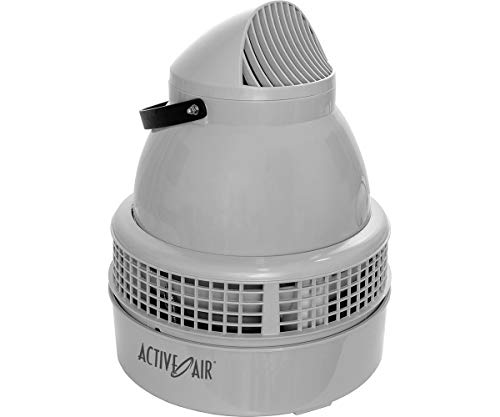
Bedrooms, nurseries, and plant rooms benefit most. Cool-mist ultrasonic units are the safest pick around children since there is no hot water involved, and a 360-degree nozzle spreads vapor evenly. For growers or hobbyists filling a large room, a high-output unit such as the Ideal-Air commercial humidifier with a multi-directional fogging head keeps big spaces from drying out.
When to Use a Dehumidifier
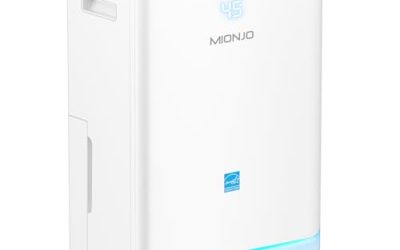
Switch to a dehumidifier when moisture is the enemy: foggy windows, a clammy basement, peeling wallpaper, or that unmistakable musty odor signal readings above 55 percent. Excess moisture feeds mold and dust mites, so pulling humidity back down protects both your home and your lungs. A high-capacity unit like the Active Air 75-pint commercial dehumidifier is built for basements, crawl spaces, and large damp rooms.
For spaces where you want flexibility, a combo appliance such as the DINZAN dual-function humidifier and dehumidifier with a 152oz tank and drain hose can swing either direction depending on the season, which is handy for an RV, bathroom, or single problem room that flips from dry to damp.
Which Should You Buy?
- Buy a humidifier if your winter readings sit below 40 percent or you fight dry skin and static.
- Buy a dehumidifier if you see condensation, smell must, or read above 55 percent, especially in a basement.
- Buy a combo unit if a single room swings between dry and damp across the seasons.
- Match capacity to the space: tank runtime for humidifiers, daily pint rating for dehumidifiers.
- Always start with a hygrometer so you know which problem you actually have.
Frequently Asked Questions
Can I run a humidifier and dehumidifier at the same time?
Not in the same room, since they would fight each other and waste energy. It only makes sense in different zones, for example a dehumidifier in a damp basement while a humidifier runs in a dry upstairs bedroom.
What humidity level should I aim for indoors?
Keep relative humidity between 40 and 50 percent. Below that you get dry-air discomfort; above 55 percent you invite mold and dust mites. A hygrometer under $15 removes the guesswork.
Which one helps with allergies?
Both can, depending on the trigger. Dehumidifiers reduce mold and dust mites that thrive in damp air, while humidifiers soothe irritated sinuses in dry air. Identify whether your space is too wet or too dry first.
How often do I need to clean these machines?
Rinse humidifier tanks every few days to stop mineral and bacteria buildup, and empty dehumidifier reservoirs daily unless a drain hose handles it. Wipe both weekly and replace filters on the maker’s schedule.
Final Verdict
There is no universal winner here because humidifiers and dehumidifiers solve opposite problems. Measure your indoor humidity, then add moisture when winter air turns harsh and remove it when summer or a basement turns clammy. Many homes end up owning both, or a combo unit, and rotating them by season to keep air in that comfortable 40-to-50-percent range all year.