The Short Answer
For a large room, ignore the square footage printed on the box and size by Clean Air Delivery Rate (CADR). You want a smoke CADR of at least two-thirds of the room’s square footage, which delivers about 4.8 air changes per hour, the level allergy and asthma guidance targets. A 400 square foot open living room needs a smoke CADR around 265; a 600 square foot great room needs around 400. Manufacturers’ “up to 1,875” or “up to 2,400 square feet” figures are usually calculated at one air change per hour, so divide them by 4 to 5 to get a realistic room size. By that math, a purifier advertised for 1,875 square feet is a solid choice for a 375 to 470 square foot room.
In dollar terms, a true large-room HEPA purifier with a CADR of 230 to 260 costs $150 to $250; the $90 to $105 units advertised for 2,200 to 2,400 square feet are better thought of as 300 to 400 square foot machines at allergy-grade air changes.
Our top picks
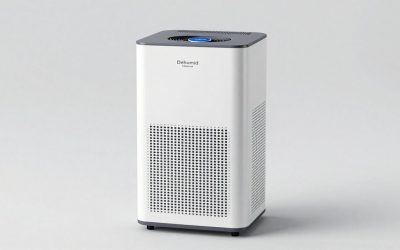
 MOOKA Air Purifier for Home Bedroom Large
- 𝐇𝐢𝐠𝐡𝐞𝐫 𝐀𝐢𝐫 𝐈𝐧𝐭𝐚𝐤𝐞 & 𝐋𝐚𝐫𝐠𝐞𝐫 𝐂𝐨𝐯𝐞𝐫𝐚𝐠𝐞 𝐟𝐨𝐫 𝐏𝐞𝐭…
- 𝐒𝐦𝐚𝐫𝐭 𝐏𝐌𝟐.𝟓 𝐀𝐐𝐈 𝐃𝐢𝐬𝐩𝐥𝐚𝐲 & 𝐀𝐮𝐭𝐨 𝐌𝐨𝐝𝐞: Built-in…
- 𝐖𝐚𝐬𝐡𝐚𝐛𝐥𝐞 𝐏𝐫𝐞-𝐅𝐢𝐥𝐭𝐞𝐫 & 𝟑-𝐒𝐭𝐚𝐠𝐞 𝐃𝐞𝐬𝐢𝐠𝐧: Equipped with a…
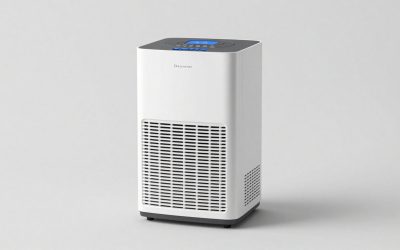
 LEVOIT Smart Air Purifier for Home Large
- 𝐖𝐇𝐘 𝐂𝐇𝐎𝐎𝐒𝐄 𝐀𝐇𝐀𝐌 𝐕𝐄𝐑𝐈𝐅𝐈𝐃𝐄 𝐏𝐑𝐎𝐃𝐔𝐂𝐓𝐒: AHAM (Association of…
- 𝐀𝐇𝐀𝐌 𝐕𝐄𝐑𝐈𝐅𝐈𝐃𝐄 & 𝐓𝐑𝐔𝐒𝐓𝐄𝐃 𝐁𝐘 𝐄𝐗𝐏𝐄𝐑𝐓𝐒: Certified by…
- 𝐀𝐈𝐑 𝐏𝐔𝐑𝐈𝐅𝐈𝐄𝐑 𝐃𝐄𝐒𝐈𝐆𝐍𝐄𝐃 𝐅𝐎𝐑 𝐀𝐋𝐋𝐄𝐑𝐆𝐘 𝐆𝐑𝐎𝐔𝐏𝐒:The Vital 200S-P…
| Product | Key specs | |
|---|---|---|
| MOOKA Air Purifier for Home Bedroom Large | 𝐇𝐢𝐠𝐡𝐞𝐫 𝐀𝐢𝐫 𝐈𝐧𝐭𝐚𝐤𝐞 & 𝐋𝐚𝐫𝐠𝐞𝐫 𝐂𝐨𝐯𝐞𝐫𝐚𝐠𝐞 𝐟𝐨𝐫 𝐏𝐞𝐭… 𝐒𝐦𝐚𝐫𝐭 𝐏𝐌𝟐.𝟓 𝐀𝐐𝐈 𝐃𝐢𝐬𝐩𝐥𝐚𝐲 & 𝐀𝐮𝐭𝐨 𝐌𝐨𝐝𝐞: Built-in… 𝐖𝐚𝐬𝐡𝐚𝐛𝐥𝐞 𝐏𝐫𝐞-𝐅𝐢𝐥𝐭𝐞𝐫 & 𝟑-𝐒𝐭𝐚𝐠𝐞 𝐃𝐞𝐬𝐢𝐠𝐧: Equipped with a… | Check price |
| LEVOIT Smart Air Purifier for Home Large | 𝐖𝐇𝐘 𝐂𝐇𝐎𝐎𝐒𝐄 𝐀𝐇𝐀𝐌 𝐕𝐄𝐑𝐈𝐅𝐈𝐃𝐄 𝐏𝐑𝐎𝐃𝐔𝐂𝐓𝐒: AHAM (Association of… 𝐀𝐇𝐀𝐌 𝐕𝐄𝐑𝐈𝐅𝐈𝐃𝐄 & 𝐓𝐑𝐔𝐒𝐓𝐄𝐃 𝐁𝐘 𝐄𝐗𝐏𝐄𝐑𝐓𝐒: Certified by… 𝐀𝐈𝐑 𝐏𝐔𝐑𝐈𝐅𝐈𝐄𝐑 𝐃𝐄𝐒𝐈𝐆𝐍𝐄𝐃 𝐅𝐎𝐑 𝐀𝐋𝐋𝐄𝐑𝐆𝐘 𝐆𝐑𝐎𝐔𝐏𝐒:The Vital 200S-P… | Check price |
 Air Purifiers for Home Large Room Air Purifiers for Home Large Room | Check price | |
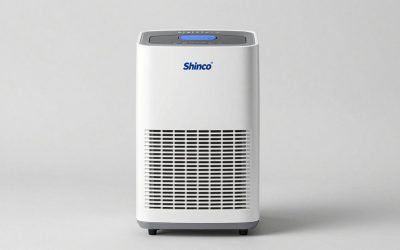
 WINIX 5510 Air Purifier WINIX 5510 Air Purifier | 𝐀𝐇𝐀𝐌 𝐕𝐞𝐫𝐢𝐟𝐢𝐝𝐞 𝐚𝐭 𝟑92 𝐬𝐪 𝐟𝐭.: Also cleans… 𝐖𝐢𝐧𝐢𝐱 𝐓𝐫𝐮𝐞 𝐇𝐄𝐏𝐀: Captures 99.99%* of airborne allergens… 𝐀𝐝𝐯𝐚𝐧𝐜𝐞𝐝 𝐎𝐝𝐨𝐫 𝐂𝐨𝐧𝐭𝐫𝐨𝐥 𝐂𝐚𝐫𝐛𝐨𝐧 𝐅𝐢𝐥𝐭𝐞𝐫: Reduces VOCs and… | Check price |
As an Amazon Associate we earn from qualifying purchases at no extra cost to you.
Standard Sizes
| Purifier class | Smoke CADR | Room at 4.8 ACH | Advertised coverage (1 ACH) | Typical unit size (in) | Typical unit size (cm) | Weight | Price range |
|---|---|---|---|---|---|---|---|
| Small | 80 to 130 | 120 to 200 sq ft | 500 to 900 sq ft | 8 x 8 x 14 | 20 x 20 x 36 | 5 to 7 lb | $50 to $90 |
| Medium | 130 to 200 | 200 to 300 sq ft | 900 to 1,400 sq ft | 10 x 10 x 18 | 25 x 25 x 46 | 7 to 10 lb | $80 to $150 |
| Large | 200 to 280 | 300 to 420 sq ft | 1,400 to 2,000 sq ft | 15 x 8 x 24 | 38 x 20 x 61 | 10 to 16 lb | $150 to $250 |
| Extra large | 280 to 400 | 420 to 600 sq ft | 2,000 to 3,000 sq ft | 16 x 16 x 26 | 41 x 41 x 66 | 16 to 25 lb | $250 to $500 |
| Whole floor | 400 or more | 600 to 900 sq ft | 3,000 sq ft or more | 18 x 18 x 30 | 46 x 46 x 76 | 25 to 40 lb | $500 to $900 |
For reference, the Levoit Vital 200S-P advertised at 1,875 square feet ($167.96) and the Winix 5510 advertised at 1,881 square feet in one hour ($179.99) both fall in the large class, appropriate for a 300 to 420 square foot room at allergy-grade air changes. The MOOKA unit advertised at 2,200 square feet ($102.99) and the $89.98 unit advertised at 2,400 square feet should be sized conservatively, since price and class rarely line up with a headline number that high.
How to Measure Your Space
- Measure length and width in feet. For an L-shaped or open-plan area, break it into rectangles and add them. A 20 by 15 foot living room plus a 10 by 12 foot dining nook is 300 plus 120, or 420 square feet.
- Measure ceiling height. The 4.8 air-changes rule assumes 8 foot ceilings. For 9 or 10 foot ceilings, multiply your square footage by 1.125 or 1.25 before sizing. A 420 square foot room with 10 foot ceilings sizes as 525.
- Calculate target CADR. Multiply the adjusted square footage by two-thirds (0.67). For 525 square feet, target a smoke CADR of about 350.
- Check the room’s openness. If the space opens into a hallway or stairwell with no door, add 10 to 20 percent to the target, because filtered air will leak into adjacent spaces.
- Decide the noise ceiling. Look up the dB rating at the speed that produces the CADR you need, not the lowest speed. For a living room, 45 to 50 dB is acceptable; for a large bedroom, aim for under 40.
- Measure the placement spot. Purifiers need 12 to 18 inches of clearance on the intake sides and should not sit in a corner. A large unit needs roughly a 2 by 2 foot footprint plus that clearance.
By Room or Use Case
Open-plan living and dining, 400 to 500 square feet
Target a smoke CADR of 270 to 335. This is the top of the large class or the bottom of extra large, with prices from $180 to $300. A unit in the class of the Winix 5510 or Levoit Vital 200S-P placed centrally handles 400 square feet at 8 foot ceilings; for 500 square feet, either step up a class or run two mid-size units at opposite ends, which also spreads the noise.
Great room with 10 to 12 foot ceilings, 500 to 700 square feet
Adjust for height: 600 square feet at 11 feet sizes as roughly 825, for a CADR target near 550. That is beyond most consumer purifiers, so plan on two extra-large units, one at each end, or a single whole-floor unit in the $500 to $900 range. Tall rooms also stratify, so place units low where people breathe.
Master bedroom suite, 300 to 400 square feet
Target a CADR of 200 to 270 at a speed under 40 dB. Most large-class units hit their rated CADR only on the top speed at 50 dB or more, so look for one whose medium speed still delivers 150 or higher and accept a slightly longer cleanup time overnight. Auto mode with a particle sensor helps: the unit runs loud while you are out and drops to sleep speed at night.
Basement family room with finished walls, 400 to 600 square feet
Basements need carbon as much as HEPA, because musty odor is a gas. Choose an extra-large unit with at least 1 to 2 pounds of activated carbon, and pair it with a dehumidifier; a purifier does not fix a humidity problem, and damp air shortens HEPA filter life.
Home office or studio with printer, 300 to 350 square feet
Laser printers and 3D printers produce fine particles and VOCs. Size normally to a CADR of 200 to 235, place the purifier within 6 feet of the equipment, and favor a model with a thick carbon stage.
Common Sizing Mistakes
- Trusting the box square footage. A 2,400 square foot claim at one air change per hour is a 480 square foot room at allergy-grade cleaning. Always find the CADR.
- Buying one unit for two rooms. Filtered air does not turn corners well. Each enclosed room needs its own purifier or an open doorway with a fan.
- Sizing to the loud speed. If you will never run it above medium because of noise, size the CADR at medium, which is typically 50 to 60 percent of the rated figure.
- Ignoring ceiling height. A 10 foot ceiling adds 25 percent more air volume to clean.
- Corner placement. A purifier against two walls loses a large share of its intake area and effective CADR drops.
- Undersizing for smoke. Pollen and dander are easy; wildfire smoke needs the full 4.8 air changes or more. If smoke is your concern, go one class larger.
- Forgetting filter cost. Large-class filters run $40 to $80 per year; extra-large run $60 to $120. Two mid-size units may cost more in filters than one large one.
FAQ
What CADR do I need for a 500 square foot room?
About 335 smoke CADR for 4.8 air changes per hour with 8 foot ceilings. With 10 foot ceilings, about 420. That puts you in the extra-large class, or two large-class units placed apart.
Is a purifier rated for 1,875 square feet good for a large room?
Yes, for a large room of about 375 to 470 square feet. The 1,875 figure is an hourly single-pass number. Units like the Levoit Vital 200S-P and Winix 5510 that carry that rating are appropriate for an open living room in that range, not a whole floor.
Can I run a large purifier on low all the time instead of a small one on high?
That is the better approach. A large unit on low or medium moves as much air as a small unit on high, at far lower noise, and its bigger filter lasts longer. The tradeoff is a higher purchase price and a larger footprint.
How many air changes per hour do I really need?
Two per hour is enough for general dust; four to five for allergies, asthma, and pet dander; five or more for wildfire smoke or a household with a smoker. In 2026 most large-class purifiers publish CADR openly, so use that figure and the two-thirds rule rather than the coverage claim.