Key takeaways
- Reinstalling a damp filter. This is the number one cause of a musty vacuum smell and mold inside the housing.
- Using hot water. It relaxes the synthetic fibers and the adhesive that holds pleats to the frame.
- Scrubbing with a stiff brush or scouring pad. Torn media lets fine dust through even though the filter looks white.
- Using detergent or bleach on the HEPA media. Residue gums up the pleats and reduces airflow.
- Rinsing from the dirty side inward. That drives dust deeper instead of out.
- Washing a paper filter. It will delaminate and shed fibers into the motor.
- Skipping the exhaust filter. A clogged exhaust foam restricts airflow as badly as a clogged inlet filter.
A washable HEPA filter is a small pleated cartridge that stands between your vacuum’s motor and the air you breathe, and cleaning it wrong does two kinds of damage at once. Scrub it with a brush and you tear the fibers, so the filter looks clean but passes fine dust straight through. Put it back damp and you grow mold inside the vacuum, then blow spores around the house every time you turn it on. Skip cleaning altogether and airflow drops 30 to 50 percent within a few months, the motor runs hot, and a $200 canister vacuum dies years early because of a $15 part.
The process is simple when you do it in the right order and give the filter the time it needs to dry. Plan for about 20 minutes of hands-on work and a full day of drying.
Our top picks

As an Amazon Associate we earn from qualifying purchases at no extra cost to you.
What You Need
| Item | Why | Optional? |
|---|---|---|
| Sink or bucket with cool running water | Rinses dust out of the pleats without damaging the media | No |
| Trash can or outdoor spot | Tapping loose debris out before rinsing keeps the sink from clogging | No |
| Soft-bristle brush (paintbrush or old toothbrush) | Loosens dust from the pleats with minimal fiber damage | Yes |
| Dust mask | Tapping a filter releases the fine particles it captured | Yes, recommended for allergy sufferers |
| Clean towel | Blots surface water and gives the filter a place to dry | No |
| Spare washable HEPA filter set ($13 to $20) | Lets you swap in a dry filter and keep vacuuming while the wet one dries | Yes, but the best upgrade for the money |
| Owner’s manual or the model number | Confirms the filter is rated washable and shows the removal latch | No |
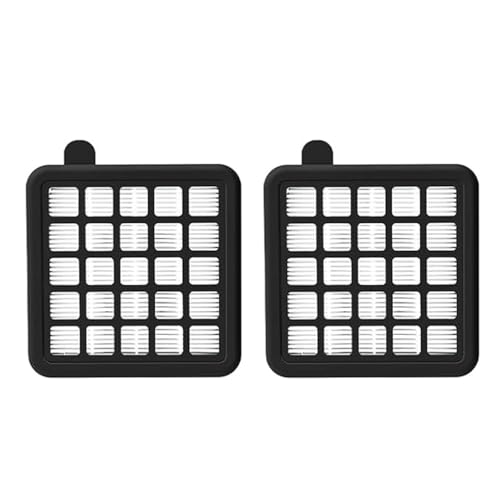
A second filter is the one purchase that makes this chore painless. Replacement washable sets for common canister models, such as the Aspiron inlet HEPA-H12 and outlet sponge set at about $16 or the PKUYIE two-pack at about $15, cost less than a single tank of gas and let you rotate filters so the vacuum is never out of service.
Step-by-Step
1. Unplug and open the canister (2 minutes)
Unplug the vacuum. Open the dust bin or bag compartment, remove the bin or bag, and locate the inlet filter, usually a round or rectangular pleated cartridge sitting between the bin and the motor. Many canisters also have a second exhaust filter, often a foam or sponge pad, behind a vent grille at the back. Note how each one is oriented before you remove it; a photo with your phone saves guessing later.
2. Confirm it is washable (1 minute)
Look for the word “washable” printed on the filter frame or check the manual. Washable HEPA filters use synthetic media, often with a plastic frame and a rubber gasket. Paper-media filters, common on older machines, fall apart in water and must be replaced, not washed. If in doubt, treat it as non-washable and vacuum it clean with a brush attachment instead.
3. Tap out loose dust (3 minutes)
Take the filter outside or hold it over a trash can. Tap the frame edge firmly against the rim 10 to 15 times, rotating as you go, until the cloud thins out. This removes most of the bulk debris and keeps the wash step short. Wear a mask; this is the dustiest part of the job.
4. Rinse from the clean side (3 to 5 minutes)
Run cool or lukewarm water, never hot, and hold the filter so the water flows from the clean (motor) side outward through the dirty side. This pushes dust out the way it came in instead of driving it deeper into the pleats. Rotate the filter under the stream until the water runs clear, typically 2 to 4 minutes. If the pleats are caked, gently work them with a soft brush while rinsing. Do not use soap, detergent, or any cleaner; residue attracts dust and can clog the media.
5. Wash the exhaust foam separately (2 minutes)
The sponge or foam exhaust filter can take a little more handling. Rinse it, squeeze gently until the water runs clear, and if it is oily or smells, a drop of mild dish soap followed by a thorough rinse is acceptable for foam only. Squeeze, do not wring; twisting tears the cells.
6. Shake and blot (1 minute)
Shake the HEPA filter firmly over the sink to knock out standing water from the pleats. Blot the frame and gasket with a towel. Do not squeeze, twist, or press the pleated media.
7. Air dry completely (24 hours)
Stand the filter on a towel in a well-ventilated room, pleats vertical so water drains down. Leave it a full 24 hours; in humid weather or a cool basement, allow 36 to 48. A fan pointed at it speeds things up. Never use a hair dryer, oven, radiator, or direct sunlight; heat warps the frame and shrinks the gasket so it no longer seals. The filter is ready when the pleats feel completely dry to the touch at the base, not just the tips.
8. Reinstall and test (3 minutes)
Seat the filter in the orientation from your photo, press the gasket down evenly, and close the compartment until it latches. Reinstall the exhaust foam and grille. Plug in and run the vacuum for 30 seconds on a clean floor; you should hear a steady, even tone. A whistling or rattling sound means the filter or lid is not seated.
Mistakes to Avoid
- Reinstalling a damp filter. This is the number one cause of a musty vacuum smell and mold inside the housing.
- Using hot water. It relaxes the synthetic fibers and the adhesive that holds pleats to the frame.
- Scrubbing with a stiff brush or scouring pad. Torn media lets fine dust through even though the filter looks white.
- Using detergent or bleach on the HEPA media. Residue gums up the pleats and reduces airflow.
- Rinsing from the dirty side inward. That drives dust deeper instead of out.
- Washing a paper filter. It will delaminate and shed fibers into the motor.
- Skipping the exhaust filter. A clogged exhaust foam restricts airflow as badly as a clogged inlet filter.
How Often
For a household vacuuming two or three times a week on hard floors, rinse the inlet HEPA filter every 4 to 6 weeks and tap it out between washes whenever you empty the bin. Homes with pets, carpet, or a renovation in progress should wash it every 2 to 3 weeks. The exhaust foam needs washing every 2 to 3 months. Watch for the signs that you are overdue: a drop in suction you can feel at the hose, a dusty smell when the vacuum runs, or the motor housing feeling hotter than usual. With a second filter set on hand, the whole routine takes 15 minutes every month and never leaves you without a working vacuum.
When to Call a Pro or Replace
Washable does not mean permanent. Replace the filter when the pleats stay gray after a thorough rinse, when you see tears, holes, or fibers pulling away from the frame, when the rubber gasket has hardened or cracked, or when the frame has warped so it no longer sits flat. Most washable HEPA filters last 12 to 24 months of regular washing, which at $13 to $20 for a set is a small annual cost. If suction stays weak with a fresh, dry filter installed, the problem is elsewhere: a clogged hose, a full bag, a blocked floor tool, or worn motor brushes. A canister that trips its thermal cutoff repeatedly with a clean filter needs a technician to check the motor, which on most machines under $250 means it is time to price a replacement instead.
FAQ
Can I put the HEPA filter in the dishwasher or washing machine?
No. Hot water, detergent, and mechanical agitation destroy the pleated media and the frame adhesive. Cool running water by hand is the only safe method.
How do I know the filter is fully dry?
Press a fingertip into the base of the pleats near the frame; if it feels cool or leaves a damp mark on a paper towel, wait longer. Weight is another check: a dry filter feels noticeably lighter than one that still holds water in the core.
Does washing reduce the filter’s HEPA rating?
Every wash removes a small amount of the electrostatic charge and some fine fibers, so efficiency declines slowly over its life. Done gently with cool water, a washable filter holds most of its rated performance through a year or two of monthly rinses, which is why the replacement interval exists.
My vacuum smells bad after washing the filter. What went wrong?
Almost always the filter went back in before it was fully dry, or the bin and hose were not cleaned at the same time. Remove the filter, let it dry a further 24 hours, wipe the bin with a damp cloth and dry it, and run the vacuum outdoors for a minute. In 2026 most canister filters still take a full day to dry, so there is no shortcut worth taking.