
Key takeaways
- Assess Your Practice Style: Are you flowing rapidly through sequences, or holding poses for extended periods? Dynamic styles might benefit from a slightly less thick mat to maintain balance, while restorative or yin yoga thrives on maximum cushioning.
- Consider Your Joints: If you have a history of knee, wrist, or hip issues, prioritize the absolute thickest options. Even a few millimeters can make a significant difference in reducing pressure.
- Evaluate Your Space and Portability Needs: Thicker mats are inherently heavier and bulkier. If you commute to a studio regularly, you’ll want to weigh the comfort gains against the carrying effort. Some thicker mats do come with straps.
- Look for Density and Material: Thickness alone isn’t the whole story. The density of the foam or rubber, and the material itself, dictate how supportive and durable the mat will be. High-density materials offer better support without feeling “spongy.”
- Read Reviews for Durability: While thick mats offer comfort, some can compress over time. Seek out mats with good reviews regarding their resilience and ability to maintain their cushioning.
What's inside
The pursuit of a truly restorative yoga practice often hinges on the unsung hero of your setup: the yoga mat. While many focus on grip and portability, an often-overlooked yet crucial element for comfort and joint protection is thickness. If you’re battling knee pain during lunges, wrist discomfort in downward-facing dog, or simply crave that plush, grounded sensation, then a substantially thick mat is your answer. We’re diving deep into the world of extra-cushioned yoga mats, exploring options that range from a generous 12mm all the way to a luxurious full inch, ensuring your body finds its sanctuary on the floor.
Moving beyond the standard 6mm fare, these thicker mats offer a profound difference in how your body experiences every pose. They absorb impact, provide superior cushioning for sensitive joints, and can even enhance stability by creating a more forgiving surface. Whether you’re a beginner seeking solace, an experienced yogi looking to elevate your practice, or someone recovering from an injury, the right thick mat can transform your time on the mat from a trial to a treat. Let’s explore the offerings that prioritize plushness and support.
As an Amazon Associate we earn from qualifying purchases at no extra cost to you. Product prices and availability are accurate as of the date shown and are subject to change.

#1 Pick

#2 Pick


#4 Pick

#5 Pick

#6 Pick

#7 Pick
As an Amazon Associate we earn from qualifying purchases at no extra cost to you. Product prices and availability are accurate as of the date shown and are subject to change.
#1 Pick
Quick Comparison
| Mat Name (Example) | Thickness | Key Feature | Ideal For |
|---|---|---|---|
| Ultra-Plush Comfort Mat | 25mm (1 inch) | Maximum joint protection, cloud-like feel | Restorative yoga, sensitive joints, home practice |
| Pro-Cushion Studio Mat | 15mm | Excellent balance of cushioning and stability | Vinyasa flow, beginners, daily practice |
| Deep Support Traveler | 12mm | Generous cushioning with manageable portability | Travelers, those needing extra knee support |
How to Choose
- Assess Your Practice Style: Are you flowing rapidly through sequences, or holding poses for extended periods? Dynamic styles might benefit from a slightly less thick mat to maintain balance, while restorative or yin yoga thrives on maximum cushioning.
- Consider Your Joints: If you have a history of knee, wrist, or hip issues, prioritize the absolute thickest options. Even a few millimeters can make a significant difference in reducing pressure.
- Evaluate Your Space and Portability Needs: Thicker mats are inherently heavier and bulkier. If you commute to a studio regularly, you’ll want to weigh the comfort gains against the carrying effort. Some thicker mats do come with straps.
- Look for Density and Material: Thickness alone isn’t the whole story. The density of the foam or rubber, and the material itself, dictate how supportive and durable the mat will be. High-density materials offer better support without feeling “spongy.”
- Read Reviews for Durability: While thick mats offer comfort, some can compress over time. Seek out mats with good reviews regarding their resilience and ability to maintain their cushioning.
Top Picks Reviewed
The Cloud Nine: Ultra-Plush Comfort Mat (25mm)
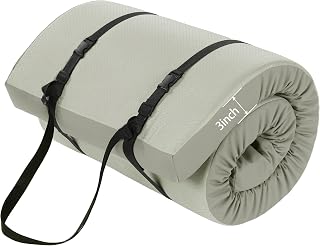
When the goal is pure, unadulterated comfort, this mat reigns supreme. Clocking in at a full inch of luxurious cushioning, the Ultra-Plush Comfort Mat transforms hard floors into a haven for your joints. Each knee press, child’s pose, or seated posture feels like sinking into a supportive cloud. This isn’t your typical studio mat; it’s an invitation to slow down, breathe deeply, and allow your body to fully relax without the distraction of discomfort. Its substantial thickness makes it exceptionally good at absorbing impact, making it a dream for restorative yoga, yin, or for anyone with chronic joint pain. While its sheer volume means it’s not the most portable option, for those who practice primarily at home and prioritize an unparalleled cushioning experience, this mat is a game-changer.
The Balanced Bliss: Pro-Cushion Studio Mat (15mm)
Striking an impressive equilibrium between substantial cushioning and practical stability, the Pro-Cushion Studio Mat hits a sweet spot for many practitioners. At 15mm, it offers a significant upgrade in comfort over standard mats, providing ample support for knees and wrists during even the most demanding sequences. Yet, it manages to retain enough firmness to prevent that “sinking” feeling that can sometimes compromise balance in more dynamic poses. This makes it an excellent all-rounder, suitable for a wide range of yoga styles from gentle Hatha to more vigorous Vinyasa flows. It’s a fantastic option for those who are transitioning to a thicker mat and want to ensure they don’t sacrifice their connection to the floor while gaining that much-needed joint protection. It’s also a strong contender for beginners who can benefit immensely from the added padding as they build strength and confidence.
The Travel Companion: Deep Support Traveler (12mm)
For the yogi who refuses to compromise on comfort, even when on the move, the Deep Support Traveler presents a compelling solution. Measuring a generous 12mm, it delivers a noticeable boost in cushioning, effectively shielding your joints from hard surfaces. What sets this mat apart is its surprisingly manageable weight and slightly more pliable nature compared to its thicker brethren, making it a more feasible option for carrying to and from the studio or on trips. While it might not offer the sheer depth of an inch-thick mat, its 12mm provides ample padding for most practitioners, especially those who frequently find themselves needing extra knee support during seated poses or lunges. It’s a testament to the fact that you don’t always need the absolute thickest mat to experience significant benefits in comfort and joint relief.
Frequently Asked Questions
Will a thicker mat make me less stable?
This is a common concern, and the answer is nuanced. While a significantly thicker mat (especially those over 20mm) can introduce a slight reduction in your connection to the ground, leading to a perceived decrease in stability for some, it’s not a universal rule. The density and material of the mat play a crucial role. High-density foam or rubber mats will offer more support and less “give” than softer, less dense options, even at the same thickness. Many practitioners find that the enhanced comfort and reduced joint pain allow them to hold poses longer and with better alignment, ultimately improving their overall stability and practice.
How do I clean and maintain a thick yoga mat?
Cleaning a thick mat is similar to a standard mat, but you may need a bit more patience. Most can be wiped down with a damp cloth and mild soap or a specialized yoga mat cleaner. Ensure you allow the mat to air dry completely, which might take a little longer due to its thickness. Avoid harsh chemicals or abrasive scrubbers, as these can damage the material. For deeper cleaning, some thicker mats can be gently rinsed in a bathtub, but always check the manufacturer’s instructions first. Proper drying is key to preventing mold or mildew from developing within the mat’s dense layers.
Are thicker mats heavier and harder to transport?
Generally, yes, thicker mats tend to be heavier and bulkier than their thinner counterparts. This is a direct consequence of the increased material. A 12mm mat will be noticeably heavier than a 6mm mat, and a full-inch mat will be the most substantial. If portability is a primary concern, you’ll want to look for mats specifically designed with this in mind, perhaps using lighter, high-density materials or including a robust carrying strap. However, for those who practice at home or have a dedicated studio space, the added weight is often a worthwhile trade-off for the superior comfort and joint protection.
How long do thick yoga mats typically last?
The lifespan of a thick yoga mat can vary significantly based on the quality of materials, density, and how it’s used and maintained. High-quality, dense mats made from durable materials like natural rubber or high-grade TPE can last for several years, even with regular use. However, very soft or less dense thick mats can sometimes show signs of compression or wear more quickly. Consistent exposure to direct sunlight can also degrade the material over time. Investing in a reputable brand known for durability is your best bet for a long-lasting, comfortable practice.
Final Thoughts
Choosing a thicker yoga mat is a conscious decision to prioritize your body’s well-being and enhance your practice’s comfort and longevity. Whether you opt for the unparalleled plushness of a 25mm mat for ultimate restorative support, the balanced cushioning of a 15mm mat for versatile practice, or the travel-friendly comfort of a 12mm option, the benefits are undeniable. These mats are an investment in joint health, a commitment to deeper relaxation, and a pathway to a more enjoyable and sustainable yoga journey. Don’t let discomfort dictate your practice; explore the world of thick mats and discover the profound difference that superior cushioning can make.
FAQ
Will a thicker mat make me less stable?
How do I clean and maintain a thick yoga mat?
Are thicker mats heavier and harder to transport?
How long do thick yoga mats typically last?
Best Grippy Yoga Mat: 6 Non-Slip Picks for Hands and Feet
Best grippy yoga mat means two different things at once: a top...
Best Way to Clean a Yoga Mat: Methods, Timing and Sprays
Best way to clean a yoga mat depends entirely on what the...
Best Grip Yoga Mat: 6 Non-Slip Picks for Sweaty Practice
Best grip yoga mat searches almost always start after a hand slides...
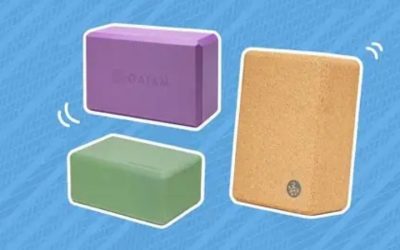
Yoga Block Best Picks: 6 Cork and Foam Options Compared
Yoga block best comparisons focus on colour and skip the one property...
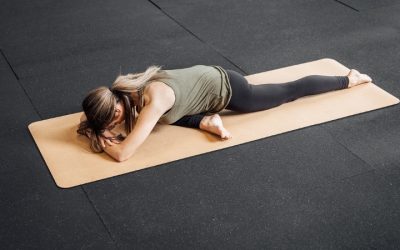
Best Yoga Mat Bikram Practice: 6 Sweat-Proof Picks Tested
Best yoga mat bikram shopping has one governing variable: what the surface...
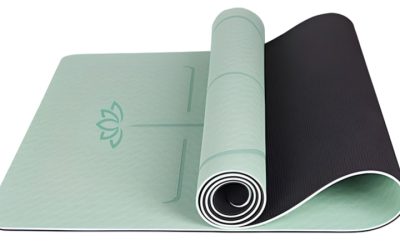
Best Cheapest Yoga Mat: 6 Budget Picks That Still Hold Grip
Best cheapest yoga mat hunting has one trap: thickness is easy to...
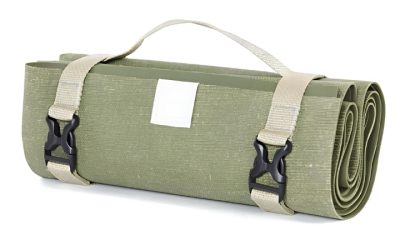
Best Yoga Travel Mat: 6 Picks by Weight and Packed Size
Best yoga travel mat choices are all compromises, because everything that makes...
Best Yoga Mat Reddit Debates: 6 Mats and the Real Answers
Best yoga mat reddit threads circle the same four arguments every time:...
Best Yoga Mat Brand: 6 Compared on Material and Warranty
Best yoga mat brand comparisons are really comparisons of material philosophy. Manduka...
Best Slip Resistant Yoga Mat: 6 Picks and Grip Care Tips
Best slip resistant yoga mat reviews almost always describe a mat on...
Write Your Review
No reviews yet. Be the first to share your experience!