Key takeaways
- Clean the filter every two to four weeks during heavy summer use; homes with pets, renovations, or allergies may need more frequent attention.
- Photograph screw locations and grille orientation before removing parts.
- Use a low-suction vacuum and brush attachment around fins instead of compressed air or high-pressure water.
- Test any chemical cleaner on a small, inconspicuous metal area and follow the label’s ventilation instructions.
What's inside
A window air conditioner can cool a room effectively while quietly collecting dust, lint, pollen, and moisture inside its filter and coil surfaces. That buildup restricts airflow, makes the unit work harder, and can contribute to musty odors. In our home-appliance testing lab, we assess cleaning methods by how well they reach confined surfaces without bending delicate fins, flooding electrical components, or leaving a residue behind.
This guide explains the safest, most effective way to clean a window AC without unnecessary disassembly. You’ll learn what to clean, which tools and coil products are useful, how to judge whether a unit needs deeper service, and which mistakes can reduce performance or damage the appliance.
As an Amazon Associate we earn from qualifying purchases at no extra cost to you. Product prices and availability are accurate as of the date shown and are subject to change.




🛒 Best Price Today on Amazon
Prime members get fast, free shipping on everything above, plus member-only deals. New members get a 30-day free trial — cancel anytime.
Recommended Picks
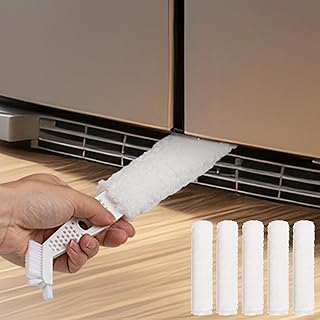
For routine maintenance, a washable filter, soft brush, microfiber cloths, and a fin comb are usually more valuable than an aggressive chemical cleaner. The 3-Piece Air Conditioner Fin Comb Cleaning Tools set is useful for straightening flattened fins and brushing accessible surfaces. For narrow gaps behind a grille, the Air Conditioner Cleaner Set Mini Split Cleaning Kit includes replaceable brush cloths designed for hard-to-reach appliance areas.
If you want to contain rinse water, the Oiktylr Mini Split Cleaning Kit with 2L Pressure Sprayer includes a waterproof cleaning bag and sprayer. Although marketed for larger systems, confirm the dimensions and spray pressure before using it on a window unit. For foaming coil products, options include Arm & Hammer Biodegradable HVAC and Air Conditioner Coil Cleaner Foam Aerosol Spray, the Foaming AC Coil Cleaner 38oz, and the larger Foaming AC Coil Cleaner 57 oz. Check each label first: “no-rinse” does not mean the product can be sprayed indiscriminately inside an energized appliance.
Before You Start: Power and Access
Turn the air conditioner off, unplug it, and wait several minutes before cleaning. Do not rely solely on the remote control or thermostat. If the unit is hard-wired, switch off the appropriate circuit breaker and verify that the fan cannot start. Protect the sill, floor, and nearby furniture with towels or a shallow tray, and wear gloves and eye protection when using cleaner.
Remove the front grille or filter only as the manufacturer permits. Avoid pulling on wiring, sensors, foam seals, or the copper refrigerant tubing. If the cabinet is heavily corroded, leaking refrigerant, or unstable in the window, stop and arrange professional service rather than forcing access.
Step 1: Clean the Filter and Cabinet
Slide out the filter and vacuum loose dust from both sides using a soft brush attachment. Wash a washable filter in lukewarm water with a small amount of mild dish soap, then rinse thoroughly and allow it to dry completely. Never reinstall a damp filter. Replace disposable filters rather than washing them.
Wipe the front grille, louvers, controls, and cabinet with a barely damp microfiber cloth. Keep moisture away from the control panel and plug. A vacuum is preferable to blowing dust farther into the room or deeper into the coil.
Step 2: Clean the Evaporator Coil and Fins
The indoor evaporator coil is usually behind the filter. Vacuum gently in the direction of the fins; pressing across them can fold the thin aluminum surfaces and reduce airflow. Use a soft detailing brush for stubborn lint. If fins are visibly flattened, select a fin comb that matches their spacing and make light, straight passes. Do not force the comb through packed debris.
Apply a coil cleaner only if the label specifically permits use on the material and application you have. Spray from the distance stated on the container, keep the product off electronics, and observe the required dwell time. A no-rinse foam still needs controlled application and adequate drainage. Never mix cleaners, bleach, vinegar, or household degreasers.
Step 3: Clean the Outdoor Coil and Drainage Areas
From the exterior side, remove leaves and loose debris with a vacuum or soft brush. Clean the condenser coil from the inside outward when the unit’s design allows, so dirt exits rather than moving deeper into the cabinet. Avoid pressure washers and forceful sprayers: they can bend fins, drive debris into the coil, or reach electrical parts.
Inspect the drain pan and drain hole for slime or obstructions. Clear accessible debris with a cloth or a soft, flexible brush. Do not insert rigid objects into passages you cannot see. If water repeatedly enters the room, the unit may be improperly tilted, the drain path may be blocked, or the pan may be damaged.
Drying, Reassembly, and Performance Check
Let cleaned surfaces drain and dry according to the product instructions. Reinstall the filter, grille, and any screws or clips exactly as they were fitted. Confirm that the filter is seated evenly and that louvers move freely. Restore power, run the fan-only setting first if available, and listen for rubbing, rattling, or unusual vibration.
After several minutes of cooling, check for steady airflow, a normal condensate drip outdoors, and a clean smell. A persistent musty odor, weak airflow after cleaning, ice on the coil, repeated tripped breakers, or water indoors indicates a problem that cleaning alone may not solve.
Tips
- Clean the filter every two to four weeks during heavy summer use; homes with pets, renovations, or allergies may need more frequent attention.
- Photograph screw locations and grille orientation before removing parts.
- Use a low-suction vacuum and brush attachment around fins instead of compressed air or high-pressure water.
- Test any chemical cleaner on a small, inconspicuous metal area and follow the label’s ventilation instructions.
Frequently Asked Questions
How often should a window air conditioner be deep-cleaned?
Inspect it monthly and perform a more thorough cleaning at the start and end of the cooling season. Units in dusty rooms or kitchens may need additional coil and filter attention.
Can I spray water inside a window AC?
Only in areas specifically identified by the manufacturer as washable, and only after the appliance is unplugged and protected from water intrusion. Avoid spraying the controls, motor, wiring, compressor terminals, and other electrical components.
Do coil cleaners improve cooling?
They can help when grime is restricting airflow or insulating the coil, but they cannot repair a refrigerant leak, failing fan motor, damaged capacitor, or severely corroded coil. Mechanical cleaning with a vacuum and soft brush is often the best first step.
When should I replace the unit instead of cleaning it?
Consider replacement when the cabinet is unsafe, the coil is extensively corroded, repairs approach the cost of a new efficient model, or the unit repeatedly leaks or trips the breaker. Professional diagnosis is worthwhile before discarding a newer appliance.
Conclusion
The best window-AC cleaning routine is controlled rather than forceful: disconnect power, clean the filter, vacuum coils gently, protect the fins and electronics, clear drainage areas, and allow everything to dry before testing. A fin comb, narrow brush, and appropriately labeled coil cleaner can make the job easier, but careful technique matters more than buying a large collection of products.