Key takeaways
- Standard 8- to 9-foot ceilings: short extension tool or step stool plus microfiber cloth usually enough.
- High ceilings: use long-pole cleaner with stable footing. Ceiling Fan Cleaner Duster with 6 Ft/72” Extension Pole fits this job better than compact 13- to 50-inch handles.
- Bedrooms and nurseries: prioritize dust-capturing microfiber that holds debris instead of scattering it over bedding.
- Kitchens: expect grease film. Plan dry pass, then damp wipe.
- Fans with ornate light kits or sculpted blades: use bendable detail brush around brackets and blade irons.
What's inside
In a home-appliance testing lab, ceiling fans earn attention for one simple reason: dirty blades do more than look neglected. Dust buildup gets thrown back into room air, settles on furniture faster, and can even exaggerate wobble or noise when accumulation turns uneven. On many fans, grime also clings to the leading edge of each blade, where a quick swipe misses what matters most. Clean blades keep airflow cleaner, reduce mess falling onto bedding or tables, and help a fan do its job without extra racket.
This guide covers best way to clean ceiling fan blades in 2026, based on what works in repeat testing: right tool choice, safe setup, dry-first technique, when to use damp cleaning, and how to keep dust from raining down across room. Light-duty dusters, washable microfiber heads, and extension-pole tools all have place. Goal: cleaner blades, less airborne dust, less ladder time, and fewer streaks left behind.
As an Amazon Associate we earn from qualifying purchases at no extra cost to you. Product prices and availability are accurate as of the date shown and are subject to change.


🛒 Best Price Today on Amazon
Prime members get fast, free shipping on everything above, plus member-only deals. New members get a 30-day free trial — cancel anytime.
Start With Right Cleaning Tool
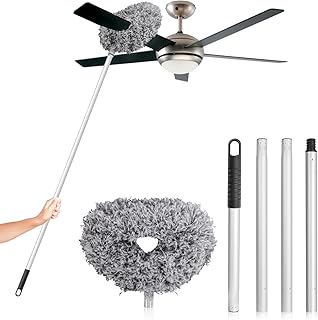
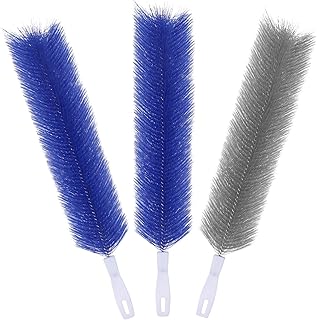
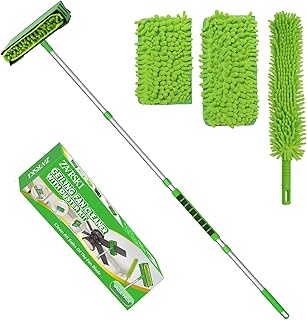
Best tool depends on fan height, blade shape, and how much buildup sits on surface. For routine maintenance on standard indoor fans, a microfiber sleeve that traps dust on both sides of blade works better than flat cloth alone. In lab-style side-by-side use, tools like DRQ Ceiling Fan Cleaner Duster, SetSail Ceiling Fan Cleaner Duster, FONUNO Ceiling Fan Cleaner Duster, and similar reusable microfiber blade cleaners remove more loose dust in one pass because fabric wraps around blade instead of chasing debris off edge. For high ceilings, a longer option such as Ceiling Fan Cleaner Duster with 6 Ft/72” Extension Pole gives better reach with less overextension. For tight spaces around light kits, vents, or curved blade edges, 3 Pcs Fan Cleaning Brush Bendable Cobweb Duster set can help finish detail work.
Use Dry Cleaning First
Dry pass first. Wet pass second only if needed. That order matters because moisture turns loose dust into gray paste and spreads it along blade finish. Turn fan off at wall switch and wait until blades stop completely. Place old sheet or drop cloth under fan if room has upholstered furniture or bed below. Then slide microfiber duster over each blade from motor housing outward toward tip. Keep other hand on pole for control, and use slow pull rather than fast swipe. On neglected fans, remove dust head halfway through and shake outside or swap washable pad. If fan sits low enough to reach safely by step stool, follow dry pass with microfiber cloth along top, bottom, and front edge of each blade.
Know When To Use Damp Cleaning
Sticky film needs more than dusting. Kitchen fans often collect grease; bedroom and living-room fans usually carry dry lint and fine dust. If blade still feels tacky after dry cleaning, lightly dampen microfiber cloth with water or mild mix of dish soap and warm water. Cloth should be barely damp, not dripping. Wipe one blade at time, then dry immediately with clean cloth. Avoid spraying cleaner directly at fan. Liquid can spot wood-look finishes, streak painted blades, or reach motor housing and light components. In testing, removable microfiber heads on tools such as DRQ, SetSail, and FONUNO models worked best when washed and reused for dry cleaning, while hand cloth gave better control for sticky residue removal.
Match Method To Fan Height and Room Type
- Standard 8- to 9-foot ceilings: short extension tool or step stool plus microfiber cloth usually enough.
- High ceilings: use long-pole cleaner with stable footing. Ceiling Fan Cleaner Duster with 6 Ft/72” Extension Pole fits this job better than compact 13- to 50-inch handles.
- Bedrooms and nurseries: prioritize dust-capturing microfiber that holds debris instead of scattering it over bedding.
- Kitchens: expect grease film. Plan dry pass, then damp wipe.
- Fans with ornate light kits or sculpted blades: use bendable detail brush around brackets and blade irons.
Right fit saves time and cuts frustration. Compact sleeve-style tools such as Ceiling Fan Cleaner Duster Reusable Microfiber Ceiling Fan Blade Cleaner and SetSail model suit regular upkeep on everyday fans. Longer poles make sense only when reach truly demands them.
Clean Safely Without Damaging Blade Finish
Balance matters on ceiling fan. Heavy pressure on one side, twisting blade by hand, or hanging body weight off extension pole can stress blade arms or loosen hardware over time. Support blade gently if wiping by hand. Never soak MDF or wood-veneer blades. Avoid abrasive scrubbers and strong degreasers unless manufacturer allows them. If fan wobbles after cleaning, check whether one blade still holds packed dust near bracket or whether blade screws need gentle tightening. Many “sudden” wobble complaints in testing traced back to uneven dirt, not failed motor.
Tips
- Clean blades every 4 to 8 weeks in most homes. Monthly cleaning works best for allergy control and keeps buildup from hardening.
- Wash reusable microfiber heads without fabric softener. Softener coats fibers and makes them trap less dust next time.
- Hold pillowcase under blade only if cleaning by hand at low height. For high fans, wraparound microfiber duster catches more dust with better control.
- After blades, wipe pull chains, motor housing, and top of light kit. Dust there often drops back onto freshly cleaned furniture.
Frequently Asked Questions
What is best way to clean ceiling fan blades without making a mess?
Use a wraparound microfiber blade duster on fan that is fully off. Pull from base of blade toward tip in slow motion so microfiber traps dust instead of pushing it into air. Place drop cloth below if buildup is heavy. This method beats feather dusters and dry paper towels in mess control.
Are extension-pole fan dusters worth buying?
Yes, if fan sits above comfortable reach or if regular cleaning means hauling out ladder each time. Models like FONUNO Ceiling Fan Cleaner Duster or Ceiling Fan Cleaner Duster with 6 Ft/72” Extension Pole reduce ladder use and speed up upkeep. For low fans, compact washable microfiber tool often gives better precision.
Can I use all-purpose cleaner on ceiling fan blades?
Usually, but use restraint. Spray cloth, not blade, and test small spot first. Painted, laminated, and wood-look finishes can streak or swell if too wet. For most dust, plain dry microfiber or lightly damp cloth is enough.
How often should ceiling fan blades be cleaned?
Every month is solid target for most rooms. Homes with pets, open windows, cooking grease, or allergies may need cleaning every 2 to 4 weeks. Frequent light cleaning is easier and safer than waiting for thick buildup.
Conclusion
Best way to clean ceiling fan blades in 2026 stays simple: choose washable microfiber tool sized to fan and ceiling height, start dry, use minimal moisture only when residue demands it, and keep pressure light to protect blade balance and finish. For most homes, reusable options like DRQ, SetSail, FONUNO, or similar blade-sleeve dusters cover routine care well, while long-pole and bendable brush tools fill gaps for high ceilings and detail work. Done regularly, job takes minutes and pays off in cleaner air, tidier surfaces, and quieter everyday comfort.