Key takeaways
- Turn power off at wall switch.
- Let bulbs and motor housing cool.
- Cover bed, table, or floor area below.
- Check blade stability before cleaning. Loose blades need tightening, not aggressive wiping.
What's inside
In a home-appliance test lab, ceiling fans are easy to spot and even easier to underestimate. Dust buildup does more than make blades look dull. It can throw fine debris into the air, leave grime along leading edges, and in heavier cases add drag that makes a fan work a little harder for the same airflow. Regular cleaning is less about perfection and more about keeping air cleaner, finishes in better shape, and maintenance simple before buildup turns sticky.
This guide covers the best way to clean a ceiling fan in 2026, from quick weekly dusting to deeper seasonal cleaning. It also explains when a compact blade duster is enough, when a long-reach pole makes more sense, and which tool styles tend to be easiest to control. Our recommended picks appear below.
As an Amazon Associate we earn from qualifying purchases at no extra cost to you. Product prices and availability are accurate as of the date shown and are subject to change.



🛒 Best Price Today on Amazon
Prime members get fast, free shipping on everything above, plus member-only deals. New members get a 30-day free trial — cancel anytime.
Start With the Right Cleaning Method
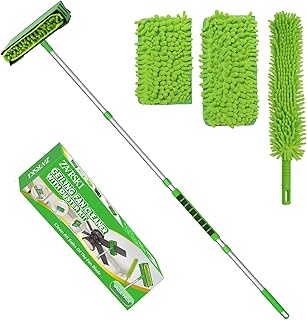
Best method depends on fan height, dust level, and blade finish. For most homes, dry microfiber is first choice because it lifts loose dust without spreading it across the room. A fitted blade duster also traps debris better than a flat rag, especially on standard residential blades. For reachable fans over a bed or sofa, a short adjustable tool like the DRQ Ceiling Fan Cleaner Duster or the SetSail Ceiling Fan Cleaner Duster is usually enough. Both give better control than a loose cloth and are easier to store than oversized poles.
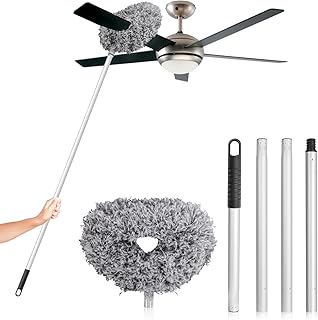
For taller ceilings, reach matters more than compact size. A longer option like the Ceiling Fan Cleaner Duster with 6 Ft/72” Extension Pole gives enough length for many stairwells and vaulted rooms, while the LAANPOLE 26FT Reach Ceiling Fan Cleaner Duster is better suited to very high ceilings where ladder use becomes awkward or unsafe. If dust has turned greasy from kitchen air or smoke residue, start with dry microfiber, then follow with a lightly dampened pad. Do not spray cleaner directly at blades or motor housing.
Prep the Room Before You Touch the Blades
Good results come from setup, not force. Turn fan off and wait for blades to stop fully. If fan has lights, switch those off too so bulbs can cool. Move lightweight decor and pull bedding smooth so falling dust is easy to collect. On test benches, dry dust almost always drops farther than people expect, so laying an old sheet or microfiber cloth beneath fan saves cleanup time.
- Turn power off at wall switch.
- Let bulbs and motor housing cool.
- Cover bed, table, or floor area below.
- Check blade stability before cleaning. Loose blades need tightening, not aggressive wiping.
If fan wobbles badly, clicks, or shows cracked blade brackets, pause cleaning and address that first. A dirty fan is common. A damaged fan is a repair job.
How to Clean a Ceiling Fan Without Making a Mess
Slide microfiber head over each blade from base toward tip in one steady pass. That motion keeps dust inside duster fibers instead of flicking it off edge. On fans with moderate buildup, use a second pass on underside. Rotate fan by hand and repeat blade by blade. A slim, adjustable model such as the FONUNO Ceiling Fan Cleaner Duster or the Ceiling Fan Cleaner Duster Reusable Microfiber Ceiling Fan Blade Cleaner works well here because the head shape hugs common blade widths without much pressure.
For caked dust, do not scrub hard at first. Dry pass first. Remove bulk. Then use a barely damp microfiber pad with water or a finish-safe cleaner applied to cloth, not blade. Wring cloth thoroughly. Wood-look laminates, painted MDF, and metal blades all tolerate light wiping better than oversaturation. Finish by drying each blade so no streaking or moisture sits near blade irons or screws.
Do not forget top of motor housing, downrod, and light kit. Those surfaces collect dust that later falls back onto cleaned blades. A replaceable-pad tool like the LAANPOLE kit can be handy for this wider job, especially if one cloth is reserved for blades and another for housing.
Choose a Tool Based on Ceiling Height and Control
From lab handling tests, easiest tool is not always longest. Better control usually means faster cleaning and fewer scuffs on ceilings or light shades. Use these buying cues:
- Standard 8- to 9-foot ceilings: Short adjustable dusters are easiest to aim. DRQ, SetSail, and FONUNO fit this category well.
- Moderately high ceilings: A longer one-piece reach tool like the 6 Ft/72” Extension Pole model covers more ground without a ladder.
- Very high or vaulted ceilings: LAANPOLE 26FT Reach makes sense when access is difficult and storage space is less of a concern.
- Frequent cleaning: Washable microfiber heads matter more than maximum reach. Reusable pads cut cost over time.
- Tight spaces around lights or furniture: Lighter heads with shorter extension ranges are easier to maneuver.
If shopping for one all-purpose tool, aim for washable microfiber, a secure adjustable pole, and a blade pocket that does not collapse when lifted overhead. Those details matter more than color or bundled extras.
Know When to Deep Clean and When to Dust
Most fans need light dusting every 2 to 4 weeks and a deeper clean every season. Bedrooms and living rooms usually collect dry lint-like dust. Kitchens gather stickier residue faster because airborne grease catches particles. Homes with pets, open windows, or ongoing renovation dust should clean more often.
Deep cleaning is worth it when you see dark buildup along blade edges, grime transfer on fingertips, or dust shedding each time fan starts. During deeper service, inspect blade screws, bracket tightness, and blade alignment. Uneven dust patterns sometimes reveal airflow issues, but uneven blade pitch or loosened hardware is more common. A clean fan that still wobbles likely needs balancing or tightening, not more wiping.
Tips
- Clean blades from center to tip. Dust stays contained better and blade edges catch less fabric.
- Wash microfiber heads after heavy jobs. Dirty pads redistribute grit and can dull glossy finishes.
- Use a pillowcase only for reachable fans and only if you can support blade safely. Fitted dusters are usually cleaner and faster.
- Set a reminder for monthly dusting. Light, regular passes beat one major cleanup every six months.
Frequently Asked Questions
What is the easiest way to clean a ceiling fan?
Use a microfiber blade duster that slips over each blade and traps dust in one pass. For average ceiling heights, a compact adjustable tool is usually easiest to control. For tall ceilings, use an extension-pole model instead of stretching.
Can I use a spray cleaner on fan blades?
Yes, but lightly and indirectly. Spray cleaner onto microfiber cloth, not onto blade or motor housing. Too much liquid can streak finishes, drip onto furniture, or work into hardware joints.
How often should ceiling fans be cleaned?
Every 2 to 4 weeks for light dusting is a strong baseline. Deep clean once each season, or sooner in kitchens, pet-heavy homes, or rooms with open windows and high dust load.
Do I need a long extension pole?
Only if ceiling height demands it. Shorter tools are usually easier to guide and store. Long-reach options like the 6-foot extension model or LAANPOLE 26FT Reach are best reserved for high ceilings, vaulted spaces, and stairwell installations.
Conclusion
Best way to clean a ceiling fan is simple: use dry microfiber first, match tool length to ceiling height, and clean often enough that dust never turns sticky. For most homes, a washable blade duster such as DRQ, FONUNO, SetSail, or similar compact models handles routine care well. For tall ceilings, step up to a longer option like the 6 Ft/72” Extension Pole tool or the LAANPOLE kit. Right tool, light pressure, regular schedule. That is what keeps fan cleaner, room tidier, and job short.