
Key takeaways
- Measure your ceiling before anything else. Overhead pressing and pull-ups need about 12 inches of clearance above your fingertips. A basement with 7-foot ceilings quietly rules out several purchases, and it’s better to learn that with a tape measure than with a return shipping label.
- Count adjustment seconds, not pounds. A dumbbell that takes 20 seconds per change costs you three minutes across a nine-set session, which is exactly enough to break rhythm. Dial and lever mechanisms beat spin-collar systems for anything involving drop sets or supersets.
- Buy for the lifts you’ll do in six months, not today. Load ceilings sneak up fast on rows and split squats. If a 50-pound top end already feels close, the next size bracket is cheaper than buying twice.
- Respect your neighbors and your subfloor. Anything above a ground-floor slab needs dense rubber underneath. Half-inch tiles handle dumbbells; three-quarter-inch or a dedicated drop pad is the honest minimum if loaded weights ever leave your hands.
- Prefer gear that stores vertically or flat. A bench that folds against a wall and a trainer that lives in a drawer keep a shared room usable, which is the real determinant of whether your household tolerates the setup long-term.
What's inside
Most home gyms don’t fail because someone bought the wrong rack. They fail because of friction: the eight minutes spent hunting for a resistance band under the couch, the plate change that interrupts a superset, the clatter of a dumbbell on tile that wakes a sleeping toddler upstairs. Equipment that removes friction gets used four times a week for years. Equipment that adds it becomes a coat rack by the second month. That distinction — not brand, not price — is what separates the corner of a spare room that produces results from the one that produces guilt.
The six accessories below were chosen because each one either collapses a whole category of gear into a single footprint or eliminates a specific excuse. None of them require bolting into a joist, none demand more than about 40 square feet, and all of them work whether you train for strength, hypertrophy, or general durability. Together they cover roughly 90 percent of what a commercial gym membership actually gives you, minus the drive and the waiting.
As an Amazon Associate we earn from qualifying purchases at no extra cost to you. Product prices and availability are accurate as of the date shown and are subject to change.

#1 Pick

#2 Pick

#3 Pick

#4 Pick

#5 Pick
#6 Pick
#7 Pick

As an Amazon Associate we earn from qualifying purchases at no extra cost to you. Product prices and availability are accurate as of the date shown and are subject to change.
#1 Pick
Quick Comparison
| Accessory | Best For | Typical Spec | Space Needed | Rough Cost |
|---|---|---|---|---|
| Adjustable dumbbells | Replacing an entire rack | 5–52.5 lb per hand | 2 sq ft | $$$ |
| Adjustable bench | Pressing, rows, step-ups | 600–1,000 lb rated | 8 sq ft (folds) | $$ |
| Suspension trainer | Bodyweight pulling and core | Under 2 lb, 350 lb rated | Fits a drawer | $ |
| Resistance band set | Warm-ups, accessories, travel | 10–150 lb combined | Fits a drawer | $ |
| Doorway pull-up bar | Vertical pulling | 250–300 lb rated | Zero floor space | $ |
| Rubber floor tiles | Noise, grip, floor protection | ½–¾ in thick | Covers 24–48 sq ft | $$ |
How to Choose
- Measure your ceiling before anything else. Overhead pressing and pull-ups need about 12 inches of clearance above your fingertips. A basement with 7-foot ceilings quietly rules out several purchases, and it’s better to learn that with a tape measure than with a return shipping label.
- Count adjustment seconds, not pounds. A dumbbell that takes 20 seconds per change costs you three minutes across a nine-set session, which is exactly enough to break rhythm. Dial and lever mechanisms beat spin-collar systems for anything involving drop sets or supersets.
- Buy for the lifts you’ll do in six months, not today. Load ceilings sneak up fast on rows and split squats. If a 50-pound top end already feels close, the next size bracket is cheaper than buying twice.
- Respect your neighbors and your subfloor. Anything above a ground-floor slab needs dense rubber underneath. Half-inch tiles handle dumbbells; three-quarter-inch or a dedicated drop pad is the honest minimum if loaded weights ever leave your hands.
- Prefer gear that stores vertically or flat. A bench that folds against a wall and a trainer that lives in a drawer keep a shared room usable, which is the real determinant of whether your household tolerates the setup long-term.
Top Picks Reviewed
1. Adjustable Dumbbells (5–52.5 lb per hand)
This is the single highest-leverage purchase in a small space. One pair replaces roughly sixteen fixed dumbbells and a rack, which is somewhere north of 1,000 pounds of iron compressed into two square feet. The practical test is the mechanism: dial-style selectors change weight in under five seconds and let you run 30-20-15 drop sets without breaking stride, while cheaper spin-lock designs turn every adjustment into a small chore. Expect a longer overall length than a fixed dumbbell, which slightly affects deep chest flyes, and treat them gently — these are precision assemblies, not throwables. If you buy one thing, buy this.
2. Adjustable Flat-to-Incline Bench
A bench is what turns dumbbells from an arm workout into a full upper-body program: incline presses, chest-supported rows, hip thrusts, seated shoulder work, and Bulgarian split squats all need one. Look for a 600-pound minimum rating, a pad about 11 inches wide, and a ladder or gas-assist adjustment that locks without wobble at 30 and 45 degrees. Flat-to-incline models fold and lean against a wall; full FID benches with decline are heavier and rarely worth the footprint at home. Check the pad seam — a center gap under your spine is the most common complaint on budget units.
3. Suspension Trainer
Two nylon straps, a door anchor, and roughly a pound and a half of gear buy you inverted rows, chest presses, fallouts, face pulls, and single-leg squats — the horizontal pulling and anti-extension work that dumbbell-only setups tend to neglect. Because resistance scales with your foot position, one tool serves both a beginner doing 45-degree rows and someone grinding out archer push-ups. It also travels in a carry-on. Prioritize a locking cam that doesn’t slip mid-set and a door anchor with a thick, well-stitched stopper; the strap length is far less important than the hardware quality.
4. Layered Resistance Band Set
Bands earn their place three ways: warming up rotator cuffs and hips before you touch load, adding accessory volume like pull-aparts and monster walks that would otherwise never happen, and covering travel weeks. A good set spans light to heavy loop bands plus a couple of flat power bands for pull-up assistance and pull-apart work. Latex layered in sheets outlasts molded latex by a wide margin, and it fails by fraying instead of snapping — a genuine safety difference when a band is anchored near your face. Store them out of sunlight and they’ll last years.
5. Doorway or Wall-Mounted Pull-Up Bar
Vertical pulling is the one movement pattern that dumbbells, bands, and straps all approximate badly. A leverage-mount doorway bar installs in a minute with no drilling and handles most adult bodyweights, though it demands a sound trim frame and gets creaky over time. If you own the wall, a bolted bar into studs is quieter, stronger, and allows kipping, hanging, and band-assisted work without a second thought. Either way, wrap the contact points with cloth if you’re renting, and add a doorway pad if your trim is soft pine.
6. Interlocking Rubber Floor Tiles
The least glamorous item here and often the one that saves the whole project. Half-inch recycled rubber tiles cut impact noise dramatically, stop dumbbells from denting hardwood or cracking tile, and give you enough grip that push-ups and split squats stop sliding. Rubber outperforms foam puzzle mats by a wide margin for stability under load — foam compresses and makes heavy split squats feel unstable. Buy an extra tile or two, let them air out in a garage for a few days if the smell bothers you, and lay them tight against a wall so seams don’t creep.
Frequently Asked Questions
How much space do I actually need?
A functional setup fits in about 6 by 7 feet: enough for a bench with clearance at the head, a lunge in either direction, and a lying position with arms extended. Ceiling height matters more than floor area. If you can stand under a doorway bar and hang with knees bent, you have enough.
Are adjustable dumbbells durable enough for serious training?
Yes, with one caveat: they’re built for controlled sets, not dropping. Selector plates and pins can shift if the dumbbell lands hard from overhead. If your program involves heavy pressing where bailing is likely, keep a pair of cheap fixed dumbbells for the top sets and use the adjustables for everything else.
Can bands replace weights entirely?
Not for strength. Band tension is lowest where most lifts are hardest — at the bottom of a squat or press — so the loading curve fights the movement instead of matching it. They’re excellent for warm-ups, high-rep accessories, and travel, but they can’t reproduce the consistent tension that builds maximal strength.
What should I buy first if I can only pick two items?
Adjustable dumbbells and a bench. That pairing supports a complete push, pull, hinge, and squat program with progressive overload, which is the mechanism that actually drives adaptation. Add flooring third if you’re above ground level or share walls, and the suspension trainer fourth.
Final Thoughts
The strongest home setups tend to look underwhelming. A bench, a pair of adjustable dumbbells, straps hanging from a door, bands in a bin, a bar overhead, and rubber underfoot — that’s it, and it’s enough to run a serious program for a decade. What makes it work is that nothing needs assembling, nothing wakes the house, and nothing stands between deciding to train and starting the first set. Buy the two anchors first, add the small items as gaps appear, and let the actual training decide what comes next.
Note: no product list was provided, so I selected the six accessory categories that best fit the title and a compact home setup. Swap in specific products and I’ll rewrite the review sections around them.
FAQ
How much space do I actually need?
Are adjustable dumbbells durable enough for serious training?
Can bands replace weights entirely?
What should I buy first if I can only pick two items?
Best Robot Vacuum with Self Emptying Station for Pet Hair in 2026: Tested and Ranked
Living with furry companions brings immense joy, but dealing with relentless shedding...
Best Gym Mat for Home: Rubber vs Foam Picks for Any Floor
Best gym mat for home choices come down to material density and...
Best Rowers for Home Gym: Air, Magnetic and Water Compared
Best rowers for home gym shortlists usually collapse once someone measures the...
Best Weight Home Gym: 6 All-in-One Machines for Small Rooms
Best weight home gym decisions come down to two numbers before brand...
Best Home Gym Equipment for Beginners: The Starter Setup
Best home gym equipment for beginners is not a machine – it...
Best Treadmills for Home Gym: 5 Picks by Deck and Motor
Best treadmills for home gym decisions come down to two specifications and...
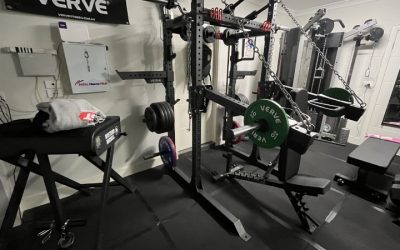
Best Home Gym Compact Setups: 6 Space-Saving Picks Ranked
Best home gym compact claims usually quote a stored footprint and stay...
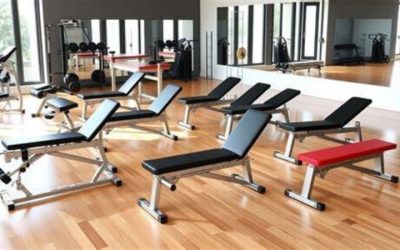
Best Adjustable Bench for Home Gym: 5 Picks Ranked by Use
Best adjustable bench for home gym decisions turn on three numbers most...
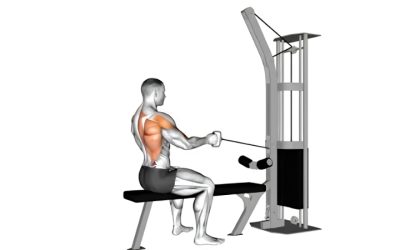
Best Cable Machine for Home Gym: 5 Picks and Pulley Ratios
Best cable machine for home gym shortlists collapse quickly once you convert...
Best Cable Machines for Home Gym: 5 Types and Their Limits
Best cable machines for home gym use are not one product category...
Write Your Review
No reviews yet. Be the first to share your experience!