
Key takeaways
- Count your honest weekly slots first. Two 30-minute windows supports a bench and dumbbells. It does not support a rower, a bike, and a cable stack. Buy for the calendar you actually keep.
- Divide price by projected sessions before you add to cart. Anything landing above roughly $2 per session needs to replace a paid class or a commute, or it isn’t earning its shelf space.
- Measure the ceiling, not just the floor. Overhead pressing, jump rope, and rowing all need vertical clearance. Basements with ductwork kill more purchases than square footage does.
- Check the load ceiling against two years from now. A 25 lb dumbbell cap feels generous in month one and becomes the reason you stop progressing in month fourteen.
- Favor gear you can set up in under a minute. Every step between sitting down and starting a set is a place the session dies. Fast setup is a durability feature.
What's inside
A gym membership at $45 a month costs you $1,620 over three years whether you go twice a week or twice a quarter. That number is the only benchmark that matters when you start pricing home equipment, because a barbell doesn’t charge you for the weeks you ignore it. So instead of ranking gear by star count, I ran every pick below through one calculation: purchase price divided by the number of realistic training sessions it will absorb over three years. Three sessions a week for 36 months works out to 468 uses. Accessories that earn a spot in only part of your week get charged against 312.
The results reorder things fast. A $500 rower looks extravagant next to a $40 band set until you notice the rower carries your cardio load three times weekly and the bands get pulled out on travel weeks. Both come out under about a dollar a session, which is where the math stops mattering and adherence takes over. What follows is six pieces of equipment that survived that filter, plus the honest failure mode of each — because the fastest way to blow up a cost-per-session figure is to buy something that ends up holding laundry.
As an Amazon Associate we earn from qualifying purchases at no extra cost to you. Product prices and availability are accurate as of the date shown and are subject to change.

#1 Pick

#2 Pick

#3 Pick

#4 Pick

#5 Pick

#6 Pick
#7 Pick
Quick Comparison
| Equipment | Typical Street Price | Sessions (3 yr) | Cost Per Session | Best For |
|---|---|---|---|---|
| Dial-style adjustable dumbbell pair (5–52 lb) | ~$330 | 468 | ~$0.71 | Full-body strength in one footprint |
| Folding adjustable weight bench | ~$150 | 468 | ~$0.32 | Pressing, rows, seated work |
| Suspension trainer with door anchor | ~$130 | 312 | ~$0.42 | Bodyweight pulling, travel |
| Layered resistance band set | ~$40 | 312 | ~$0.13 | Warm-ups, rehab, accessories |
| Cast-iron kettlebell (35 lb) | ~$60 | 312 | ~$0.19 | Swings, carries, conditioning |
| Folding magnetic rowing machine | ~$500 | 468 | ~$1.07 | Low-impact cardio at home |
How to Choose
- Count your honest weekly slots first. Two 30-minute windows supports a bench and dumbbells. It does not support a rower, a bike, and a cable stack. Buy for the calendar you actually keep.
- Divide price by projected sessions before you add to cart. Anything landing above roughly $2 per session needs to replace a paid class or a commute, or it isn’t earning its shelf space.
- Measure the ceiling, not just the floor. Overhead pressing, jump rope, and rowing all need vertical clearance. Basements with ductwork kill more purchases than square footage does.
- Check the load ceiling against two years from now. A 25 lb dumbbell cap feels generous in month one and becomes the reason you stop progressing in month fourteen.
- Favor gear you can set up in under a minute. Every step between sitting down and starting a set is a place the session dies. Fast setup is a durability feature.
Top Picks Reviewed
Dial-Style Adjustable Dumbbell Pair
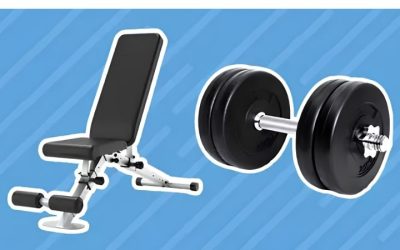
One pair replaces fifteen, which is the whole argument. Twist the handle, hear the collar seat, and you’ve moved from a 20 lb curl to a 45 lb row without leaving the mat. At roughly $0.71 a session they’re the most expensive thing here per use and still the best value, because they cover pressing, pulling, hinging, and squatting on their own. The trade-off is bulk: the handles are longer than fixed dumbbells, so tight goblet squat positions feel awkward, and you should not drop them. Treat them gently and the selector mechanism outlasts the three-year window comfortably.
Folding Adjustable Weight Bench
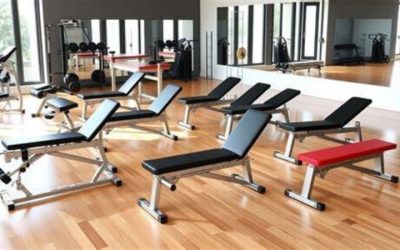
At about thirty cents a session, this is the cheapest capability upgrade in the room. Adding a bench turns a dumbbell pair into a real pressing setup, unlocks incline work, supports single-arm rows, and gives you a stable platform for hip thrusts and step-ups. Look for a rated capacity well above your bodyweight-plus-load total and a pad that sits flat without a seam gap at the hinge. The folding versions slide behind a door between uses, which is exactly why they keep getting used instead of quietly becoming furniture.
Suspension Trainer with Door Anchor
Home gyms are chronically short on pulling movements, and this is the cheapest fix that doesn’t require drilling. Anchored over a solid door, the straps deliver rows, face pulls, assisted pistols, and fall-out core work, with resistance adjusted purely by foot placement. That makes it unusually good for shared households where two people train at different strength levels. It packs into a shoe-sized bag, so travel weeks stop being lost weeks. The limitation is honest: it plateaus for lower-body strength once bodyweight stops being challenging.
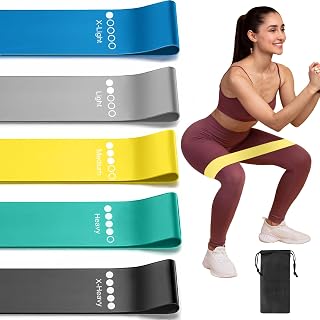
Layered Resistance Band Set
Thirteen cents a session, and the number would drop further if I charged it against warm-ups too. A graduated set covers shoulder prep, band pull-aparts, hip abduction, and pull-up assistance, plus it adds accommodating resistance to presses when you loop it around the bench. Latex does degrade, so store the set out of sunlight and inspect for surface cracking before loading anything overhead. Buy the version with fabric-sleeved loops if you plan to use them for lower-body work; bare latex pinches skin under load.
Cast-Iron Kettlebell, 35 lb
A single mid-weight bell handles swings, cleans, presses, goblet squats, and loaded carries — a complete conditioning session in ten minutes with zero setup. Nothing else here delivers as much heart rate for as little money or floor space. Prioritize a smooth, wide handle with a matte powder coat over glossy paint, which turns slick under sweat. Pick 35 lb if you’re a reasonably active adult; drop to 25 lb if hip hinging is new to you, since technique on the swing matters more than load.
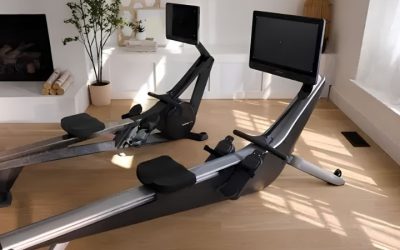
Folding Magnetic Rowing Machine
The priciest per session at about $1.07, and still cheaper than the boutique cardio class it replaces. Magnetic resistance runs quiet enough for shared walls and apartment floors, the stroke loads legs, back, and grip simultaneously, and it spares your knees in a way running doesn’t. Verify the folded footprint against your actual storage wall before buying, and check the rail length if you’re over six feet tall. Sessions bunch up in bad weather, which is precisely when its cost per use gets attractive.
Frequently Asked Questions
What should I buy first if I only have $200?
The bench, band set, and kettlebell together land near that figure and cover strength, conditioning, and warm-up work. Add the adjustable dumbbells next, once you’ve proven you’ll train three times a week for two consecutive months.
Are adjustable dumbbells durable enough to be worth the premium?
Yes, with one caveat: the selector mechanism is the failure point, and dropping them from lockout is what breaks it. If your training style involves setting weights down hard, fixed hex dumbbells or a kettlebell are the more honest purchase.
How much floor space does this whole setup need?
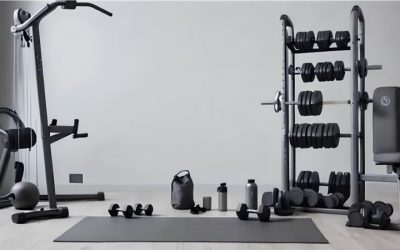
Roughly 6 by 8 feet of clear floor to train in, plus a storage corner. The bench folds, the bands and straps hang on a hook, and the rower stands upright. Only the dumbbells demand permanent floor real estate.
Can I get real cardio without buying a machine?
Yes. Kettlebell swings, suspension trainer circuits, and band-loaded complexes will drive your heart rate as high as steady-state rowing. A machine buys you consistency and lower skill demand, not superior results.
Final Thoughts
Every item here comes in under about a dollar per session, which means the purchase price stops being the interesting variable — your attendance does. If you want the tightest possible entry, start with the bench, the bands, and the kettlebell and see whether the habit holds for eight weeks. If it does, the dumbbells are the single highest-leverage addition you can make, and the rower is worth it only if you’ll genuinely train cardio at home rather than outdoors. Buy the smaller list, use it hard, and let the math justify the next purchase.
Write Your Review
No reviews yet. Be the first to share your experience!