
Key takeaways
- Measure the head, not just the weight. For rows, the bell needs to clear your torso at the top and the floor at the bottom. Heads wider than about 8 inches force you to row out and away from the ribs, which shifts tension off the lats.
- Match increments to the exercise. Rows tolerate 10-pound jumps. Rear-delt raises and pullovers do not — going from 15 to 25 will wreck your form. If you only buy one set, prioritize fine increments in the light range.
- Check the handle diameter and finish. A 30–32mm knurled handle stays put during heavy pulls. Smooth chrome plus chalk-free hands equals grip failure long before your back is done working, which caps the training stimulus.
- Decide whether the dumbbell will hit the floor. Dial-adjustable models generally cannot be dropped or rested hard on the ground. If you train barefoot in a bedroom or do deadlift variations from the floor, choose rubber hex or a block-style cage.
- Count the setup seconds. Back workouts often superset — row, then rear delt, then shrug. A dumbbell that takes 20 seconds to change adds minutes of dead time per session. Fast adjustment is a real training variable, not a luxury.
What's inside
Your back doesn’t care how much weight is on the dumbbell. It cares about the path the dumbbell travels — how far your elbow can drive past your ribs, whether the handle clears your thigh at the bottom of a row, whether the head of the bell smashes into the bench before your lat has finished shortening. A 60-pound hex dumbbell with a 6-inch head and a 40-pound adjustable with a 9-inch chassis are not the same tool, even at the same load. One lets you row to the hip; the other stops you short and quietly turns a lat exercise into a shrug.
That’s why this list is organized by movement instead of by price bracket. Heavy bent-over rows demand a compact, low-profile head and a handle that won’t rotate in a sweaty palm. Pullovers and rear-delt work need the opposite: light increments, small jumps, and a shape that’s comfortable to hold overhead or hanging from a chest-supported bench. Below are six dumbbells that each solve a specific back problem, plus a buying framework that will save you from buying twice.
As an Amazon Associate we earn from qualifying purchases at no extra cost to you. Product prices and availability are accurate as of the date shown and are subject to change.

#1 Pick


#4 Pick

#5 Pick

#6 Pick

#7 Pick

As an Amazon Associate we earn from qualifying purchases at no extra cost to you. Product prices and availability are accurate as of the date shown and are subject to change.
#1 Pick
Quick Comparison
| Pick | Movement It Owns | Load Range | Handle & Head | Best For |
|---|---|---|---|---|
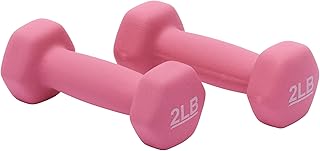
| Rubber-Coated Hex Pair (Heavy) | Bent-over & chest-supported rows | 35–100 lb per hand | Knurled chrome, compact hex head | Serious pulling volume |
| Adjustable Dial Dumbbell | Single-arm rows | 5–80 lb per hand | Ergonomic grip, long chassis | Small spaces, fast progression |
| Selectorized Block Dumbbell | Deadlifts & RDL variations | 5–90 lb per hand | Square cage, centered handle | Floor-side loading, narrow footprint |
| Spin-Lock Adjustable Handle | Pullovers & lat isolation | 2.5–75 lb per hand | Threaded steel, plate-loaded | Micro-jumps on a budget |
| Cast Iron Hex Pair (Light) | Rear delts & face-pull rows | 5–25 lb per hand | Bare iron, slim head | High-rep upper-back work |
| Neoprene / Urethane Round Pair | Shrugs, carries, holds | 20–70 lb per hand | Thick handle, rolling head | Grip and trap development |
How to Choose
- Measure the head, not just the weight. For rows, the bell needs to clear your torso at the top and the floor at the bottom. Heads wider than about 8 inches force you to row out and away from the ribs, which shifts tension off the lats.
- Match increments to the exercise. Rows tolerate 10-pound jumps. Rear-delt raises and pullovers do not — going from 15 to 25 will wreck your form. If you only buy one set, prioritize fine increments in the light range.
- Check the handle diameter and finish. A 30–32mm knurled handle stays put during heavy pulls. Smooth chrome plus chalk-free hands equals grip failure long before your back is done working, which caps the training stimulus.
- Decide whether the dumbbell will hit the floor. Dial-adjustable models generally cannot be dropped or rested hard on the ground. If you train barefoot in a bedroom or do deadlift variations from the floor, choose rubber hex or a block-style cage.
- Count the setup seconds. Back workouts often superset — row, then rear delt, then shrug. A dumbbell that takes 20 seconds to change adds minutes of dead time per session. Fast adjustment is a real training variable, not a luxury.
Top Picks Reviewed
1. Rubber-Coated Hex Pair (Heavy) — For Bent-Over and Chest-Supported Rows
Nothing beats a fixed hex bell for heavy pulling. The head sits flat, so you can stage them on the floor between sets without hunting for a rack, and the six-sided geometry keeps them from rolling under a bench. Rubber encasement protects flooring and dampens the clack when you set them down mid-set. The tradeoff is space: a pair each at 45, 55, and 65 pounds eats a wall. Buy them in the range where you actually train rows hard, and cover the rest with an adjustable.
2. Adjustable Dial Dumbbell — For Single-Arm Rows
The single-arm row is where most people progress fastest, which means you’ll outgrow weights every few weeks. A dial-adjustable model that spans roughly 5 to 80 pounds per hand lets you chase that progression without buying six pairs. The long chassis is the compromise — the end of the bell can contact the bench on deep reps, so row with a slight torso angle or brace on a knee instead of flat-hand on the pad. Treat the plastic housing gently and it will last years.
3. Selectorized Block Dumbbell — For Deadlifts and RDL Variations
Block-style dumbbells put the handle inside a square cage, which means the weight tracks close to your legs on Romanian deadlifts and lets you set the bell down mid-shin without a huge arc. That narrow profile also makes suitcase deadlifts genuinely comfortable. Loading is fast — pull a pin, slide it into the next slot — and the whole system stores in about a square foot of floor. The handle sits closer to your palm than a traditional bar, so expect a brief adjustment period.
4. Spin-Lock Adjustable Handle — For Pullovers and Lat Isolation
Old technology, still unmatched for one thing: 2.5-pound jumps. Dumbbell pullovers and straight-arm work live in a narrow load window where small increments matter enormously, and a threaded handle with standard plates gives you exactly that for a fraction of the price of a selectorized set. Yes, you have to spin collars. Tighten them properly and check them every few weeks — a loose collar overhead is the one real risk here.
5. Cast Iron Hex Pair (Light) — For Rear Delts and Face-Pull Rows
Bare iron in the 5-to-25-pound range is the most underrated purchase for upper-back development. Rear-delt raises, prone Y-raises, and high-elbow rows all live here, and cheap fixed pairs mean zero setup between exercises. The slim heads clear your face during prone work on an incline bench, and the raw finish grips better than rubber when your hands are damp. They’re inexpensive enough to buy three pairs at once.
6. Neoprene or Urethane Round Pair — For Shrugs, Carries, and Holds
Traps and grip respond to time under load, and that means holding something heavy for 30 to 60 seconds. Round-headed dumbbells with a thicker handle turn shrugs and farmer’s carries into genuine forearm work, and urethane won’t chew up your legs when the bell brushes your thigh. Because they roll, keep them against a wall or on a low rack rather than loose on the floor.
Frequently Asked Questions
Can I build a complete back with dumbbells alone?
Yes, with one caveat. Rows, pullovers, RDLs, shrugs, and rear-delt work cover horizontal pulling, spinal erectors, and scapular retraction thoroughly. What dumbbells can’t replicate is vertical pulling under load — that’s a pull-up bar’s job. Add a doorway bar and the gap closes entirely.
How heavy should my dumbbells be for rows?
Most trained lifters row in the range of 40 to 60 percent of their bench press per hand for sets of 8 to 12. Practically, if you’re new, a pair at 25 to 35 pounds plus an adjustable that reaches 60 will cover a year or more of progress.
Are adjustable dumbbells durable enough for heavy pulling?
Modern dial and pin systems handle heavy rows fine — the failure point is impact, not load. Cracked housings almost always come from dropping the bell or setting it down hard on concrete. Lower them under control and they hold up.
Do I need straps for dumbbell back work?
Not for most of it. Grip is usually the limiting factor only on high-rep heavy rows and long carries. Train without straps until your hands genuinely fail before your back does, then use them selectively on your top sets rather than by default.
Final Thoughts
The right dumbbell for your back is the one that lets the target muscle finish its range of motion — everything else is secondary. If you’re buying a single solution, pick an adjustable that reaches at least 70 pounds per hand and covers the light end in small steps. If you have room and budget, the strongest setup is a hybrid: fixed light hex bells for isolation, one heavy rubber pair for rows, and an adjustable to bridge the middle. Start with the movement you plan to train hardest, buy the tool that fits it precisely, and let the rest of the collection grow around that decision.
FAQ
Can I build a complete back with dumbbells alone?
How heavy should my dumbbells be for rows?
Are adjustable dumbbells durable enough for heavy pulling?
Do I need straps for dumbbell back work?
Best Ab Workouts with Dumbbells: 6 Support Picks Compared
Best ab workouts with dumbbells are limited more often by position than...
Best Budget Adjustable Dumbbell: 6 Picks and Trade-Offs
Best budget adjustable dumbbell shopping is really a question about what you...
Best Abs Exercise with Dumbbells: 6 Picks by Coating Type
Best abs exercise with dumbbells movements rest the weight against your chest,...
Best Abs Workout with Dumbbells: 6 Picks for Fast Circuits
Best abs workout with dumbbells formats are almost always circuits, and circuits...
Best at Home Dumbbells: 6 Picks for Sharing a Household
Best at home dumbbells guides assume one user. Most households have two,...
Best Dumbbells Home Gyms Use: 6 Picks Ranked by Delivery
Best dumbbells home buyers compare weight ranges and then discover the real...
Best Ab Exercise with Dumbbells: 6 Floor-Friendly Picks
Best ab exercise with dumbbells options are mostly done lying down, which...
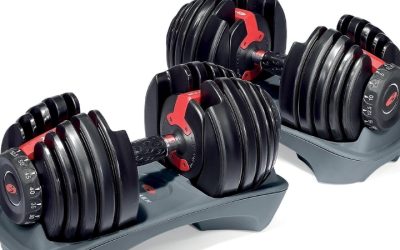
Best Dumbbell Set for Home Gym: 5 Picks Ranked by Space
Best dumbbell set for home gym shopping starts with a definition problem....
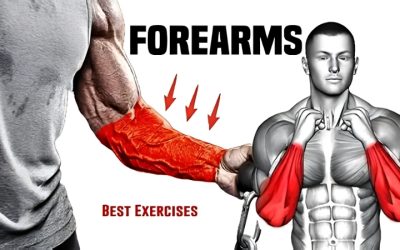
Best Workout for Forearms with Dumbbells: 5 Gear Choices
Best workout for forearms with dumbbells depends less on the exercise list...
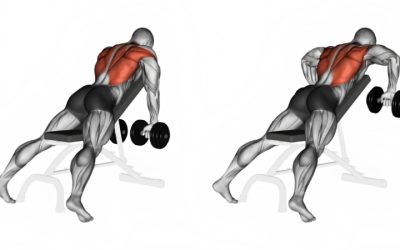
Best Lat Exercises Dumbbells: 6 Picks for Heavy Row Work
Best lat exercises dumbbells face a problem arm work never does: the...
Write Your Review
No reviews yet. Be the first to share your experience!