
Key takeaways
- Set your ceiling from your row, not your curl. Estimate what you can row for ten controlled reps with one arm, then add 40 percent for headroom. If that number passes 55 pounds, adjustable dial dumbbells alone will box you in.
- Check handle diameter before knurling. A 1.25-inch shaft with mild grit holds better than a 1.5-inch shaft with aggressive teeth, because your fingers can actually close around it. Thick handles turn every row into a forearm test.
- Measure the bench pad width, not the bench length. Pads over about 11 inches wide crowd the scapula on chest-supported rows. Look for a tapered or narrow shoulder section and a decline-capable pitch of roughly 15 to 30 degrees.
- Confirm the loading height. Deadlifting a 90-pound dumbbell off the floor before every set is its own workout. A tower or low shelf that puts the handle near mid-shin saves your lower back for the actual sets.
- Account for vertical clearance. Dumbbell pullovers and standing high pulls need roughly 18 inches above your reach; a low basement ceiling narrows your exercise menu more than any equipment spec will.
What's inside
A back day built around dumbbells lives or dies on three unglamorous variables: how well the handle stays in your hand on the eighth rep, whether your torso has something solid to brace against, and how much weight the equipment can actually hold before it becomes the limiting factor. Rows and pullovers are the rare movements where your lats outgrow your grip almost immediately — most lifters can pull 80 pounds long before their fingers agree to it. That mismatch, not motivation, is what stalls home-gym back training.
This kit is assembled around those three constraints: grip, support, and ceiling. Grip means knurling, handle diameter, and the straps that buy you two or three extra reps. Support means a bench pad narrow enough to let your shoulder blade retract and stable enough to hold a staggered stance. Ceiling means the honest maximum load — per hand, not per pair — because a 50-pound cap that felt generous in month one becomes a wall by month six. Everything below was chosen for how it performs under a heavy unilateral row, which is the most demanding thing a home setup will face.
As an Amazon Associate we earn from qualifying purchases at no extra cost to you. Product prices and availability are accurate as of the date shown and are subject to change.

#1 Pick

#2 Pick


#4 Pick


#6 Pick

#7 Pick

As an Amazon Associate we earn from qualifying purchases at no extra cost to you. Product prices and availability are accurate as of the date shown and are subject to change.
#1 Pick
Quick Comparison
| Pick | Best For | Load Ceiling (per hand) | Grip Character | Footprint |
|---|---|---|---|---|
| Dial-Adjust Dumbbell Pair | Fast supersets, small rooms | ~52 lb | Smooth contoured, thicker shell | Two cradles, ~2 sq ft |
| Spin-Lock Loadable Handles | Raising the ceiling cheaply | 90–120 lb | Steel knurl, 1 in. shaft | Handles plus plate tree |
| Rubber Hex Fixed Pair | Heavy single-arm rows | Fixed, up to 100 lb | Chrome or urethane, moderate grit | Floor or rack shelf |
| FID Bench, Tapered Pad | Chest-supported and incline rows | 600–1,000 lb rated | N/A | ~4 ft folded upright |
| Cotton Lasso Straps | Removing grip as the limiter | Matches your strongest pull | Wraps the shaft directly | Pocket-sized |
| Vertical Storage Tower | Loading position and safety | Typically 300 lb total | N/A | ~1.5 sq ft |
How to Choose
- Set your ceiling from your row, not your curl. Estimate what you can row for ten controlled reps with one arm, then add 40 percent for headroom. If that number passes 55 pounds, adjustable dial dumbbells alone will box you in.
- Check handle diameter before knurling. A 1.25-inch shaft with mild grit holds better than a 1.5-inch shaft with aggressive teeth, because your fingers can actually close around it. Thick handles turn every row into a forearm test.
- Measure the bench pad width, not the bench length. Pads over about 11 inches wide crowd the scapula on chest-supported rows. Look for a tapered or narrow shoulder section and a decline-capable pitch of roughly 15 to 30 degrees.
- Confirm the loading height. Deadlifting a 90-pound dumbbell off the floor before every set is its own workout. A tower or low shelf that puts the handle near mid-shin saves your lower back for the actual sets.
- Account for vertical clearance. Dumbbell pullovers and standing high pulls need roughly 18 inches above your reach; a low basement ceiling narrows your exercise menu more than any equipment spec will.
Top Picks Reviewed
Dial-Adjust Dumbbell Pair
The best entry point for anyone training in a bedroom or shared space. A twist of the dial moves you from a 20-pound warm-up pullover to a 45-pound row in under five seconds, which makes drop sets and back-off sets genuinely practical. The tradeoff is bulk: the plastic shell sits wide, so at heavier settings the dumbbell can bump your ribs on the top of a row. Treat the roughly 52-pound cap as a two-year runway rather than a permanent solution, and keep the cradles on the floor where the mechanism seats cleanly.
Spin-Lock Loadable Handles
The cheapest honest path past 60 pounds. Two steel handles plus standard plates will take most people to 90 pounds per hand, and the knurled shaft grips far better than any coated shell. They demand discipline: collars must be snug or plates will chatter mid-set, and swapping weight takes closer to a minute. Where they shine is heavy single-arm rows, since the narrow plate stack lets the dumbbell travel past your hip instead of colliding with your torso.
Rubber Hex Fixed Pair
If you already know your working weight for rows, buying one or two fixed pairs at that number is the most durable purchase in this list. Nothing to adjust, nothing to fail, and the flat hex faces mean the dumbbell parks itself instead of rolling toward your bench. Buy in pairs around your ten-rep row weight and one notch above. Rubber-encased heads protect flooring and are quieter than cast iron, which matters if your setup shares a wall with a neighbor.
FID Bench with Tapered Pad
This is the support pillar, and it does more for back development than another set of dumbbells. Set to a shallow incline it gives you chest-supported rows, which strip momentum out of the movement and let you feel the mid-back working without lower-back fatigue clouding the signal. Prioritize a wobble-free frame, a pad thickness near two inches with firm foam, and a ladder-style backrest with enough stops to fine-tune the angle. Folding models reclaim floor space between sessions.
Cotton Lasso Straps
The highest return per dollar in home back training. Lasso straps wrap once around the handle and let you hold a load your fingers would otherwise drop, which means your lats stop inheriting your grip’s limitations. Use them only for your heaviest two working sets and pull the first sets strapless so forearm strength keeps developing. Cotton offers more give and comfort than nylon; break them in for a week before trusting them under maximum weight.
Vertical Storage Tower
Unglamorous but genuinely load-bearing. A tower keeps pairs upright at accessible height, so you reach down instead of hinging over a floor-level dumbbell with a fatigued back. It also prevents the slow spread of iron across a room, which is how toes get broken. Look for a wide base, rubberized saddles that stop metal-on-metal grinding, and a rated capacity comfortably above the total weight you own.
Frequently Asked Questions
Can dumbbells alone build a complete back?
Yes, with one caveat. Single-arm rows, chest-supported rows, pullovers, and hip-hinge patterns cover horizontal pulling and thoracic extension thoroughly. What dumbbells cannot replicate is a true vertical pull, so eventually pair the kit with a doorway pull-up bar or a band anchored overhead to complete the picture.
How heavy should my dumbbells go for rows?
Most intermediate lifters row in the 50-to-80-pound range per hand for sets of eight to twelve. Buy to the top of your projected range, not your current one, because back muscles respond quickly to consistent loading and equipment ceilings are expensive to raise twice.
Do I really need straps, or is that a crutch?
They are a tool with a specific job: keeping grip from ending a set before the lats are done. That is a legitimate use. The failure mode is strapping every set from the first warm-up, which lets forearm strength stagnate. Strapless for the early sets, strapped for the heaviest ones, is the reasonable split.
Is a bench worth it if floor space is tight?
It is the last thing to cut. An adjustable bench unlocks chest-supported rows, incline rows, and pullovers with a stable shoulder position, and folding designs store against a wall in roughly the space of a suitcase. A sturdy chair or ottoman can substitute briefly, but neither gives you an adjustable angle.
Final Thoughts
Build in order of constraint. Start with a bench and a set of adjustables if you are early in training; add straps immediately, because they cost little and remove the most common ceiling on rowing volume. When the dial dumbbells top out, loadable handles or a fixed heavy pair extends your runway without replacing anything you already own. That sequence keeps the grip honest, the torso supported, and the load ceiling always a little higher than your current best row.
FAQ
Can dumbbells alone build a complete back?
How heavy should my dumbbells go for rows?
Do I really need straps, or is that a crutch?
Is a bench worth it if floor space is tight?
Best Ab Workouts with Dumbbells: 6 Support Picks Compared
Best ab workouts with dumbbells are limited more often by position than...
Best Budget Adjustable Dumbbell: 6 Picks and Trade-Offs
Best budget adjustable dumbbell shopping is really a question about what you...
Best Abs Exercise with Dumbbells: 6 Picks by Coating Type
Best abs exercise with dumbbells movements rest the weight against your chest,...
Best Abs Workout with Dumbbells: 6 Picks for Fast Circuits
Best abs workout with dumbbells formats are almost always circuits, and circuits...
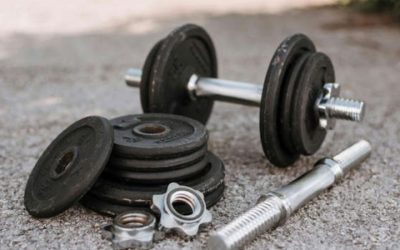
Best at Home Dumbbells: 6 Picks for Sharing a Household
Best at home dumbbells guides assume one user. Most households have two,...
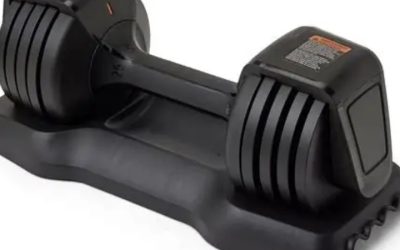
Best Dumbbells Home Gyms Use: 6 Picks Ranked by Delivery
Best dumbbells home buyers compare weight ranges and then discover the real...
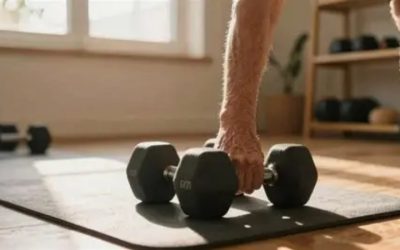
Best Ab Exercise with Dumbbells: 6 Floor-Friendly Picks
Best ab exercise with dumbbells options are mostly done lying down, which...
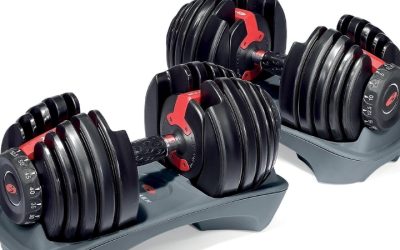
Best Dumbbell Set for Home Gym: 5 Picks Ranked by Space
Best dumbbell set for home gym shopping starts with a definition problem....
Best Workout for Forearms with Dumbbells: 5 Gear Choices
Best workout for forearms with dumbbells depends less on the exercise list...
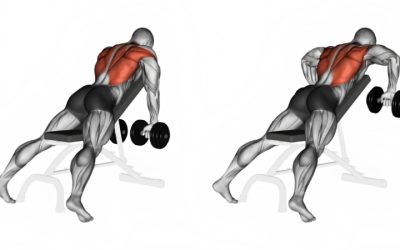
Best Lat Exercises Dumbbells: 6 Picks for Heavy Row Work
Best lat exercises dumbbells face a problem arm work never does: the...
Write Your Review
No reviews yet. Be the first to share your experience!