
Key takeaways
- Measure the opening, not the door. Pull the tape across the inside faces of the jambs at the top, where the bar actually sits. A “32-inch door” often gives you 31 1/4 inches of clear span, and telescoping bars that bottom out at 32 will simply refuse to seat.
- Check what the trim is made of. Press a thumbnail into the casing edge. If it dents, it is MDF or soft pine and you want wide foam or rubber pads at least two inches across, or a leverage design that bypasses the trim and rests on the header.
- Count your ceiling clearance. Standard openings top out at 80 inches, leaving roughly 16 inches of wall above in an 8-foot room. Bars that mount above the casing eat some of that. If you are over six feet tall, you need clearance for your head at the top of the rep, not just for the bar.
- Match the load class to how you train. Slow strict reps generate close to your bodyweight. Kipping, dropping, and hanging leg raises can spike peak force to two or three times that. A 220-pound rating is not a 220-pound athlete rating.
- Decide now whether you will drill. Screw-mounted bars are dramatically stronger and quieter, but they leave four holes in a stud. Pressure and leverage designs leave nothing behind and cost you capacity in exchange.
What's inside
A pull up bar that lives in a doorway has one job that gyms never ask of their equipment: it has to borrow strength from woodwork it did not choose. Most interior door casings are 3/4-inch pine or MDF trim tacked to a jamb, which is itself shimmed against a rough opening. That assembly was engineered to hang a 30-pound door, not to absorb the 250-pound shock load of a kipping athlete dropping into a dead hang. This is why two bars with identical steel tubing can behave completely differently — one spreads its load across the header framing above the opening, the other pinches the trim edge and leaves crescent-shaped dents you will be filling with wood putty before the lease ends.
The picks below are sorted by how they transfer force, not by how many grip positions they advertise. I looked at contact-pad width, whether the leverage arms reach past the casing onto the wall field, the actual usable width inside standard 30-, 32-, and 36-inch rough openings, and how much ceiling clearance you lose once the bar sits in place. If you rent, or if your doorways were trimmed with the thin colonial profile common in older builds, the mounting mechanism matters more than the rated capacity number printed on the box.
As an Amazon Associate we earn from qualifying purchases at no extra cost to you. Product prices and availability are accurate as of the date shown and are subject to change.

#1 Pick

#2 Pick


#4 Pick

#5 Pick

#6 Pick

#7 Pick

As an Amazon Associate we earn from qualifying purchases at no extra cost to you. Product prices and availability are accurate as of the date shown and are subject to change.
#1 Pick
Quick Comparison
| Pick | Mount Style | Doorway Fit | Load Class | Frame Impact | Best For |
|---|---|---|---|---|---|
| Wide-Yoke Leverage Bar | Over-door counterweight arms, no hardware | 24–36 in openings | ~300 lb class | Very low — load rides on header | Renters who train heavy |
| Telescoping Pressure Bar | Friction fit between jambs | 26–40 in adjustable | ~220 lb class | Moderate — point pressure on jambs | Travel and light bodyweight work |
| Multi-Grip Frame Hook Trainer | Hooked cradles over trim, foam contact | 28–36 in openings | ~250 lb class | Low with intact trim | Neutral and wide grip variety |
| Bolt-Through Jamb Bar | Lag screws into king studs | Cut or sized to opening | ~400 lb class | Permanent — four screw holes | Homeowners, weighted pull ups |
| Foldaway Padded Cradle Bar | Removable bracket, folds flat | 30–36 in openings | ~250 lb class | Low, bracket stays mounted | Shared doorways and tight halls |
How to Choose
- Measure the opening, not the door. Pull the tape across the inside faces of the jambs at the top, where the bar actually sits. A “32-inch door” often gives you 31 1/4 inches of clear span, and telescoping bars that bottom out at 32 will simply refuse to seat.
- Check what the trim is made of. Press a thumbnail into the casing edge. If it dents, it is MDF or soft pine and you want wide foam or rubber pads at least two inches across, or a leverage design that bypasses the trim and rests on the header.
- Count your ceiling clearance. Standard openings top out at 80 inches, leaving roughly 16 inches of wall above in an 8-foot room. Bars that mount above the casing eat some of that. If you are over six feet tall, you need clearance for your head at the top of the rep, not just for the bar.
- Match the load class to how you train. Slow strict reps generate close to your bodyweight. Kipping, dropping, and hanging leg raises can spike peak force to two or three times that. A 220-pound rating is not a 220-pound athlete rating.
- Decide now whether you will drill. Screw-mounted bars are dramatically stronger and quieter, but they leave four holes in a stud. Pressure and leverage designs leave nothing behind and cost you capacity in exchange.
Top Picks Reviewed
Wide-Yoke Leverage Bar — best overall frame safety
This is the design worth paying for. Two long arms reach over the top of the doorway and bear against the wall above the casing, converting your hanging weight into downward pressure on the header framing — the strongest part of the opening. Because the contact patches sit on the wall field rather than on the trim edge, the crushing force that ruins casings never develops. The tradeoff is bulk: the yoke needs six to eight inches of clear wall above the door, so it will not work under a soffit or in a doorway that runs nearly to the ceiling. Grip spacing tends to be generous enough for a genuine wide pull up, and the bar lifts off in one motion when you are done.
Telescoping Pressure Bar — best for travel
The classic expanding tube, tightened until rubber end caps bite the jambs. It packs into a duffel, costs the least, and is the only option that fits a hotel room. It is also the design most likely to mark a wall, because all the load concentrates on two small circles. Use it for strict reps, hangs, and mobility work; skip it for anything explosive. Retighten before every session — thermal movement and humidity loosen the friction fit faster than most people expect, and a bar that slips mid-rep is how doorway workouts end badly.
Multi-Grip Frame Hook Trainer — best for grip variety
Hooked cradles drop over the casing while a padded backplate presses the wall inside the doorway, creating a stable triangle. The draw here is the geometry above the bar: parallel neutral handles, angled semi-supinated positions, and a wide straight span, all reachable without dismounting. Elbow-sensitive lifters get real value from rotating between grips. It needs undamaged, square trim to hook onto — chipped or rounded casing edges make the fit sloppy.
Bolt-Through Jamb Bar — best for weighted work
Four lag screws into the king studs flanking the opening, and the bar becomes part of the house. Nothing shifts, nothing creaks, and the capacity headroom is large enough for a weight vest or a dip belt with plates. Locate the studs properly and drive the screws into framing lumber, not into the jamb shim or the drywall behind the trim; that single detail separates a permanent installation from a failure. Best in a garage, basement, or utility doorway where cosmetics do not matter.
Foldaway Padded Cradle Bar — best for shared spaces
A slim bracket stays in the doorway and the bar itself folds up flush or pops off entirely, which keeps a hallway walkable and a door closable. Wide padded cradles distribute load respectably for a hardware-light design. Expect a small amount of settling flex on the first few reps as the pads compress into the trim — that is normal, but confirm the bar has fully seated before you load it, and re-seat it after anyone else in the household has moved it.
Frequently Asked Questions
Will a doorway pull up bar damage the frame?
The pressure-fit and hook styles can, especially on soft MDF trim, and the marks usually show up as compressed dents at the contact points rather than cracks. Leverage-arm designs that load the header are the gentlest. Cutting a strip of thin plywood or dense felt to sit under any contact pad spreads the pressure and is a five-minute insurance policy.
Can I do kipping or explosive pull ups on one?
Only on a bolt-mounted bar. Dynamic movement generates peak forces well above bodyweight and applies them at changing angles, which is exactly what friction fits and hook cradles handle worst. On removable bars, keep to strict reps, negatives, dead hangs, and controlled core work.
How much weight can these actually hold?
Ratings typically run from around 220 pounds on lightweight telescoping bars to 400 pounds or more on screw-mounted models, but the bar is rarely the weak link. Your doorway is. Old plaster, hollow-core jambs, and openings framed with a single trimmer stud will give out long before the steel does, so treat published numbers as a ceiling rather than a guarantee.
Is a doorway bar a real substitute for a mounted one?
For building pulling strength, yes. The movement pattern, range of motion, and grip demand are the same. What you give up is drop-off room below the bar and the confidence to swing, which matters for gymnastics work and not much else.
Final Thoughts
Choose based on your doorway first and your training second. If you rent and want to pull hard, the wide-yoke leverage design is the one that keeps your deposit intact by routing force into the header instead of the trim. If you own the place and plan to add weight, drive four lag screws into the studs and stop thinking about it. Everyone else lands between: the multi-grip hook trainer for joint-friendly variety, the foldaway for shared hallways, the telescoping tube for a suitcase. Measure the clear span at the top of the opening before you order anything, test the trim with your thumbnail, and give whatever you install a hard two-handed tug before you trust it with your full bodyweight.
FAQ
Will a doorway pull up bar damage the frame?
Can I do kipping or explosive pull ups on one?
How much weight can these actually hold?
Is a doorway bar a real substitute for a mounted one?

Best Affordable Yoga Mat: 6 Picks Ranked by Cost Per Year
Best affordable yoga mat is a question of arithmetic rather than taste....
Best Rated Ab Roller: 6 Wheels Compared for Home Workouts
The ab wheel has a reputation problem in both directions. Some people...
Best In House Pull Up Bar: 6 Picks for Small Home Setups
In a small home, no room does only one thing. The bedroom...
Best At Home Pull Up Bar: 6 Picks for Renters and Owners
If you were allowed exactly one piece of home fitness equipment, a...
Best Home Pull-Up Bar: 7 Top Picks for Doorways & Walls
A pull-up bar in a family home is not a piece of...
Best Abs Workout at Home Without Equipment: Kit Optional
Best abs workout at home without equipment is a genuine category rather...
Best Pull Up Bar for Doorway Frames: Measure Before You Buy
Most doorway pull-up bar returns have nothing to do with the...
Best Ab Roller: Top Picks Reviewed (2026)
An ab wheel is the cheapest piece of equipment that can genuinely...
Best Pull Up Bar: Top Picks Reviewed (2026)
Do the geometry before you do anything else. A pull-up needs the...
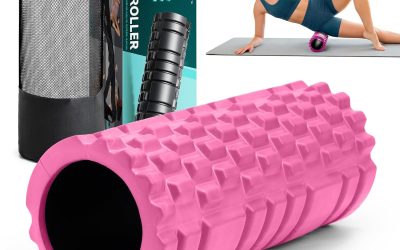
Best Foam Roller: Top Picks Reviewed (2026)
A foam roller is the rare piece of recovery gear that...
Write Your Review
No reviews yet. Be the first to share your experience!